


Medical Experts Warn of Health Risks from Unpredictable Weather
The CSR Journal Magazine

The month of March typically marks a transition from winter to summer in India, with rising temperatures, servicing of air conditioning units, and the packing away of winter clothing. However, recent years have witnessed an unprecedented shift in this traditional pattern, featuring unseasonal rainfall that disrupts usual weather cycles. This year, the India Meteorological Department reported unusual rain and hail in several northern Indian states, coupled with significant snowfall in the Himalayan regions, illustrating a departure from expected weather conditions.

Early Heatwave Observed in March

This March saw an early onset of an intense heatwave, with temperatures reported to be 4 to 8 degrees Celsius higher than normal in various areas, marking a swift transition from winter to summer. These weather irregularities, while not entirely out of character for this time of year, have raised concerns about their effects on health. Medical professionals are increasingly recognizing the negative health implications stemming from such prolonged weather changes.

Health Implications of Abrupt Weather Changes

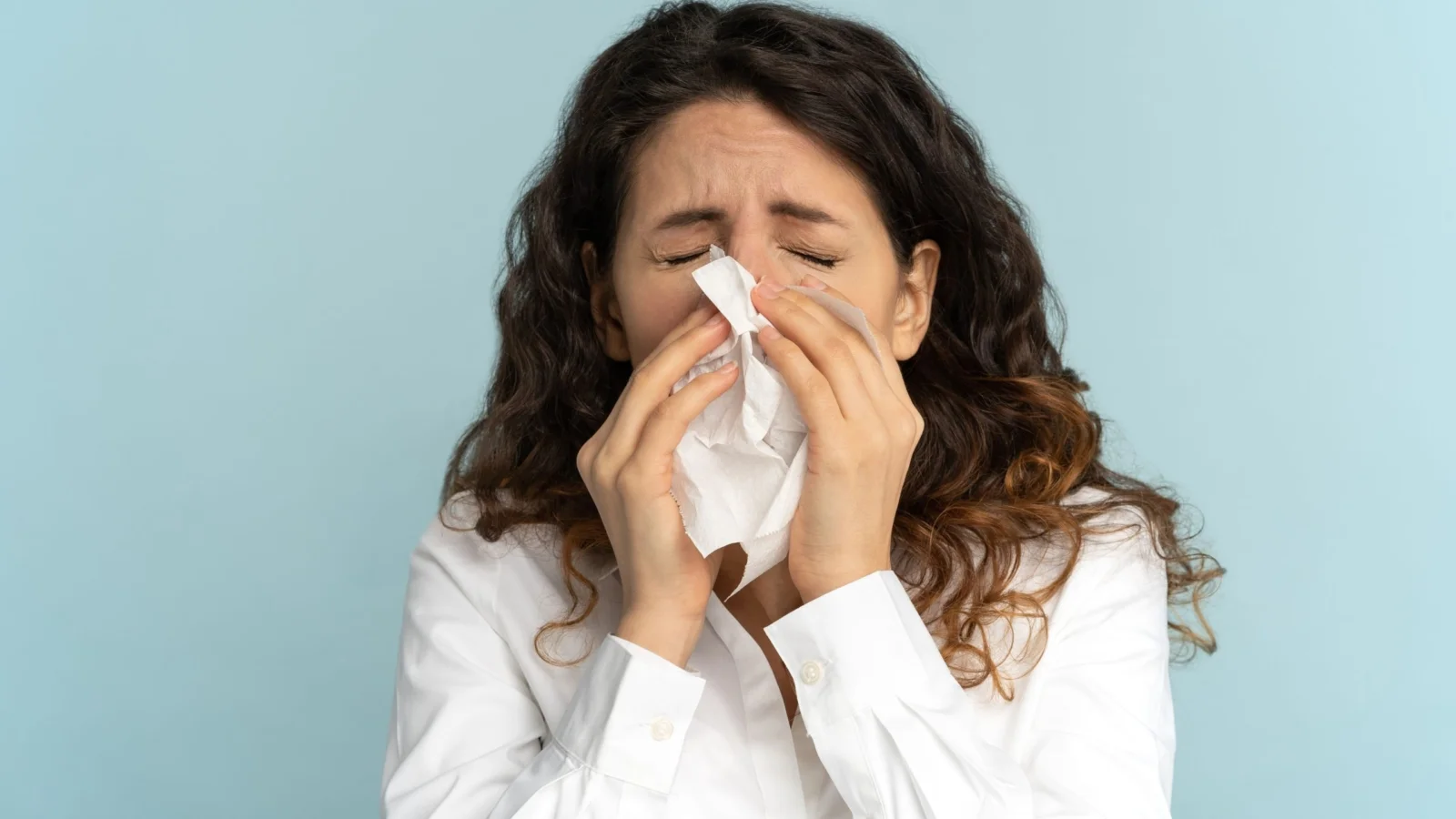
Experts emphasize that the primary concern linked to weather fluctuations is the body’s inability to acclimatize effectively. Abrupt changes in temperature from warm to cold or vice versa do not allow the body sufficient time to adjust, resulting in weakened immunity and heightened susceptibility to both infections and non-infectious ailments. In stable weather conditions, the gradual temperature shifts provide the body with a better opportunity to adapt, whereas sudden changes significantly compromise immune functions, increasing risks of infections and serious cardiovascular events.

Conditions for Virus and Bacteria Growth

Experts note that erratic weather conditions also promote the proliferation of various viruses and bacteria. Experts states, “Certain organisms thrive in warmer climates, while others prefer cooler or more humid environments. Frequent weather shifts create conditions for multiple infections to arise at unpredictable times.” Unseasonable rainfall exacerbates these concerns; water accumulation combined with inadequate drainage can lead to contamination risks, heightening the chances of gastrointestinal infections such as gastroenteritis and typhoid.

Changing Clinical Patterns Observed

The increase in weather variability has begun to reflect in clinical patterns, according to medical experts. Experts observe that infections now appear at times of the year when they were historically uncommon. For example, influenza, which used to be predominantly a winter illness, is increasingly being detected in the summer and early spring months. Water-borne infections are also surfacing earlier than anticipated. Although many of these conditions may not be severe, there is a noticeable uptick in individuals reporting health issues, indicating a tangible impact of climate change on public health.

Recommended Precautions

Experts stressed the importance of maintaining a strong health baseline, even though it is challenging to shield oneself entirely from sudden weather alterations. Experts explain that the human body cannot adapt instantaneously. Maintaining a healthy lifestyle, which includes adequate sleep, balanced nutrition, and regular physical activity, is essential for ensuring a robust immune response to cope with these challenging weather changes.

Long or Short, get news the way you like. No ads. No redirections. Download Newspin and Stay Alert, The CSR Journal Mobile app, for fast, crisp, clean updates!

App Store –  https://apps.apple.com/in/app/newspin/id6746449540 

Google Play Store – https://play.google.com/store/apps/details?id=com.inventifweb.newspin&pcampaignid=web_share

Latest News

Popular Videos
