


Rajnath Singh Unveils DRDO Initiatives to Boost MSMEs and Start-ups in Defence Sector
The CSR Journal Magazine

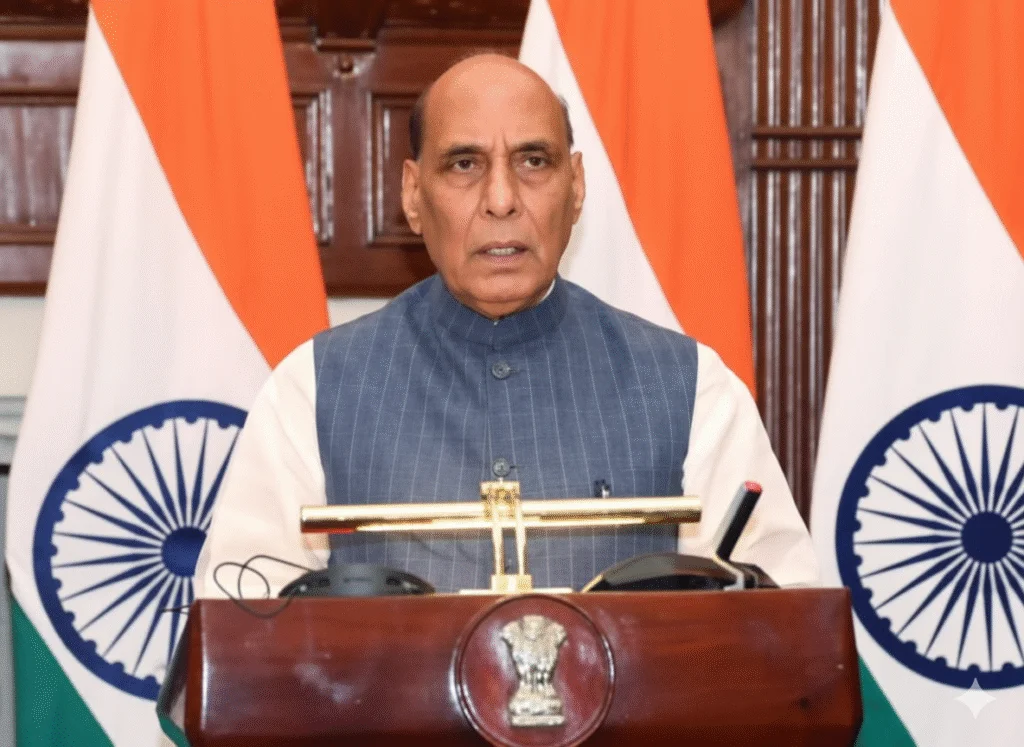
Defence Minister Rajnath Singh unveiled essential policy initiatives during VIMARSH, a DRDO-Industry Synergy Meet held in New Delhi on September 15, 2026. The Ministry of Defence reported that these measures aim to create a comprehensive framework designed to lower both technical and financial barriers for micro, small and medium enterprises (MSMEs) and deep-tech start-ups. This includes provisions for direct funding, incubation support, and priority access to DRDO testing facilities.

Additionally, a standardised and secure framework for sharing DRDO-developed software source codes with licensed industries was introduced. This aims to enhance software-defined defence capabilities as well as contribute to obsolescence management. In a significant move, nine Licensing Agreements for Transfer of Technology were handed to 13 manufacturing partners, facilitating the commercial production of advanced systems.

The ceremony also marked the signing of strategic Memoranda of Understanding (MoUs) with the Society of Indian Defence Manufacturers and Laghu Udyog Bharati to broaden industry outreach and promote grassroots participation in defence manufacturing.

Objectives of the Defence Minister’s Address

In his address, Rajnath Singh emphasised that collaboration between DRDO and the industry should extend beyond mere production, advocating for its expansion throughout the entire value chain, which includes research, design, testing, certification, and manufacturing. He conveyed a vision for India to emerge as a global hub for defence manufacturing, stating that the synergy among DRDO’s expertise, industrial scalability, startup innovation, and the aspirations of the youth could achieve remarkable outcomes.

Singh highlighted the broader objectives of achieving a self-reliant India by 2047, with goals to enhance indigenous content, expand defence exports, and secure a strong position for India in global supply chains. He referenced various reforms initiated under Prime Minister Narendra Modi which include the Positive Indigenisation Lists and the allocation of a quarter of the defence R&D budget to the private sector.

Highlighting the initiatives aimed at fostering a supportive environment for start-ups and MSMEs, Singh indicated that technology grants are being made available through the Technology Development Fund, with numerous technologies now at the production stage.

Significance of MSMEs and Start-ups in Defence Innovation

The Defence Minister characterised MSMEs and start-ups as vital drivers of innovation within India’s defence ecosystem, underscoring their roles in developing components and sub-systems for major defence systems. He expressed confidence that recent policy measures would yield substantial opportunities for these industries while integrating them into the defence supply chain.

Rajnath Singh elaborated on the new policies which promote industry-led research and development, alongside funding and mentorship for emerging enterprises. He also noted the importance of collaboration between academia and industry and the need to attract investments in future technologies such as artificial intelligence, quantum computing, and hypersonics.

Furthermore, Singh asserted that MSMEs represent a crucial element of the Indian economy and the defence sector, stressing the necessity for them to maintain high standards of quality, ensure timely delivery, and innovate continuously. He maintained that the future of warfare will hinge on technological supremacy, thus urging firms to invest in emerging technologies.

Collaborative Efforts and Future Directions

Defence Secretary Rajesh Kumar Singh remarked that VIMARSH 2026 was strategically designed to align commercial innovation with national defence needs. He mentioned the transformation in the defence sector due to the government’s self-reliance initiatives, which have enhanced technology transfers that benefit MSMEs by establishing parallel production lines for defence requirements.

During the event, a compilation titled ‘Defence Systems for Resilient Bharat – Advancing Aatmanirbharta in Defence’ was released, documenting significant developments in defence technology by DRDO. The meeting also featured discussions on optimising technology absorption and speeding up the integration of indigenous technologies into service.

VIMARSH 2026 gathered a wide audience, including over 250 leaders from the defence industry, along with government officials and senior DRDO scientists. The event aimed to create an agile environment for collaborative private sector engagement, thereby reinforcing the national defence-industrial framework.

Long or Short, get news the way you like. No ads. No redirections. Download Newspin and Stay Alert, The CSR Journal Mobile app, for fast, crisp, clean updates!

App Store –  https://apps.apple.com/in/app/newspin/id6746449540 

Google Play Store – https://play.google.com/store/apps/details?id=com.inventifweb.newspin&pcampaignid=web_share

Latest News

Popular Videos
