


Saudi Arabia Seeks Israeli Assistance Amid Houthi Crisis in Yemen
The CSR Journal Magazine

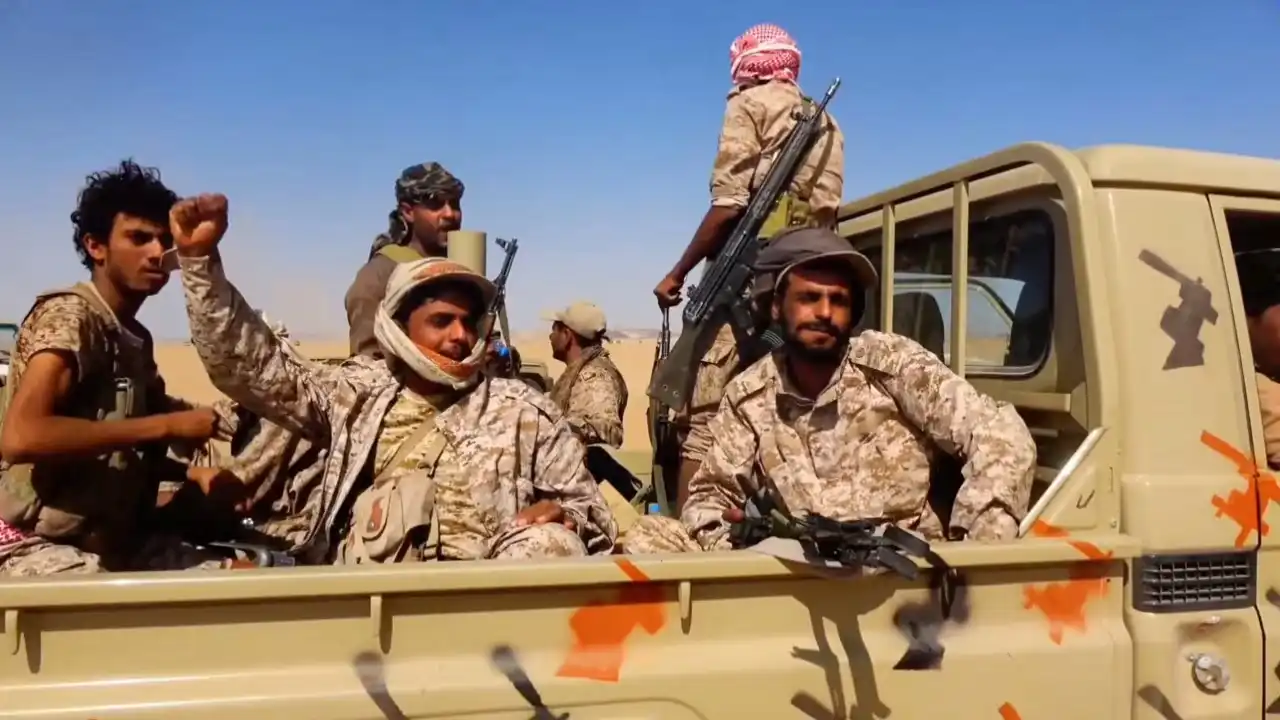
The ongoing conflict in Yemen has intensified, posing a significant challenge for Saudi Arabia as Houthi militants have taken control of a substantial portion of the Red Sea coast and the strategically vital Bab el-Mandeb Strait. This situation has forced Riyadh to reconsider its diplomatic relationships, notably turning to Israel for support, despite the absence of formal recognition and diplomatic ties between the two nations.

This unprecedented move reflects the urgency of the crisis, with reports indicating that Saudi leaders are seeking external assistance to address the threats posed by the Houthis. The Houthis have been a significant force in Yemen’s protracted conflict, and their recent advances have heightened fears over regional stability and security.

As the crisis escalates, Saudi Arabia’s traditional allies, including Pakistan, have seemingly stepped back from offering substantial military support, further complicating Riyadh’s position in the region. Islamabad’s refusal to commit troops for engagement in Yemen marks a notable shift in the dynamics of Gulf alliances.

Saudi Outreach to Israel

The Jerusalem Post reported on discussions between Israel and Saudi Arabia, facilitated by the US Central Command (Centcom), aimed at bolstering Saudi military capabilities against the Houthi threat. These talks signal a willingness on both sides to explore collaboration, even in light of the lack of direct diplomatic relations.

Saudi Crown Prince Mohammed bin Salman (MBS), who also serves as the Prime Minister, has reportedly initiated these communications via Centcom, seeking intelligence on the Houthi movements threatening critical maritime routes. The Bab el-Mandeb Strait plays a crucial role in global trade, and any disruption there could have far-reaching economic implications.

Moreover, MBS has reached out to other Gulf nations and Egypt for assistance, highlighting the limited support received thus far. While Israel’s engagement remains indirect, it underscores the severe circumstances pushing Riyadh to expand its search for alliances beyond its traditional partners.

Reactions from International Allies

Responses from established allies such as the United States and the United Kingdom have fallen short of Saudi expectations. Both countries have excluded the option of direct military involvement against the Houthi forces, instead providing limited intelligence and advisory support. This cautious approach reflects broader concerns about escalation and the risk of further entanglement in regional conflicts.

Pakistan’s involvement in the situation remains particularly complex. As a member of the Mecca Defence Alliance with Saudi Arabia and Turkey, Islamabad has significant obligations. However, it has firmly established a policy not to engage in combat operations outside its borders, focusing instead on the protection of its own national territory should the need arise.

Thus far, Riyadh’s outreach to its allies has yielded minimal tangible results, with many countries expressing reluctance to intervene militarily. The rising tension in Yemen and the shifting alliances present a challenging scenario for Saudi Arabia, where a multi-faceted approach to international diplomacy is becoming increasingly essential.

Long or Short, get news the way you like. No ads. No redirections. Download Newspin and Stay Alert, The CSR Journal Mobile app, for fast, crisp, clean updates!

App Store –  https://apps.apple.com/in/app/newspin/id6746449540 

Google Play Store – https://play.google.com/store/apps/details?id=com.inventifweb.newspin&pcampaignid=web_share

Latest News

Popular Videos
