


India Limits Fee-Free UPI & RuPay Payments to Rs 2,000, Unclear on Larger Amounts
The CSR Journal Magazine

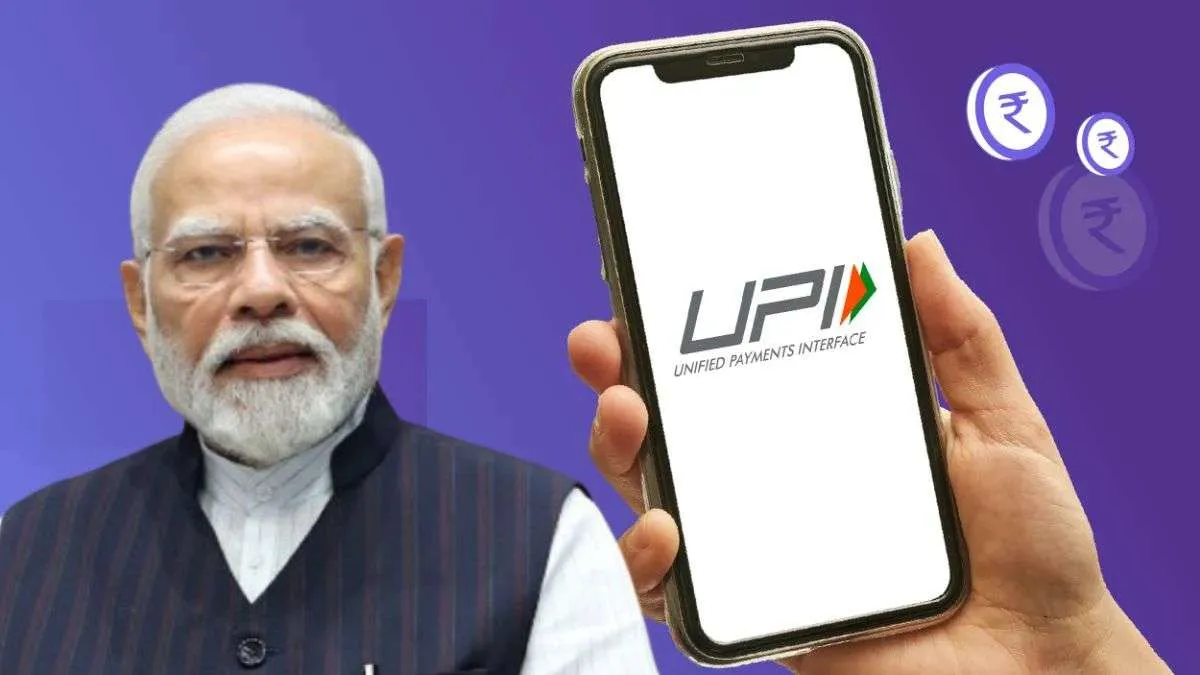
The Indian government has mandated new regulations concerning payment methods, establishing a limit of Rs 2,000 for free transactions. Since September 14, payments using RuPay debit cards and UPI transfers up to this amount will incur no fees. Notably, this directive does not clarify any potential charges for transactions exceeding Rs 2,000, leaving banks and payment platforms to determine possible fees for higher amounts.

On September 12, discussions began when the National Payments Corporation of India convened with various banks and digital payment apps to deliberate on possible fees for transactions above the set limit. Although the exact content of the government order, referenced as S.O. 5067(E), was not published in the official gazette, details surfaced through news reports, indicating that the discussion was focused on setting fee structures and profit-sharing models.

Officials from the finance ministry reassured consumers that they would not face any transaction charges for UPI payments up to Rs 2,000. However, the specifics of how this applies to transactions involving shops versus peer-to-peer payments remain ambiguous, which raises questions about the stability of free transfers among individuals.

Clarifications on Payment Fees and Transactions

Concerns have arisen regarding the implementation of transaction fees, particularly for payments just above the Rs 2,000 threshold. Reports indicate that fees may range from 0.25 to 0.5 per cent, depending on the nature of the payment and the parties involved. However, the absence of concrete figures from official sources has led to speculation and uncertainty within the industry about how it will affect consumers and businesses.

Data from the National Payments Corporation of India highlighted that the average UPI payment made to shops in August was Rs 577, significantly below the newly established limit. Although the number of transactions rose by 3.6 per cent from the previous month, the total transaction value saw a decline of 1.2 per cent, reflecting a trend of smaller payments being made across various categories. This statistic underscores the relevance of the Rs 2,000 threshold, suggesting that many consumers rely on lower payment amounts.

Most retail transactions are well below this limit, with only specialised services, such as stockbrokers and debt collectors, averaging transactions exceeding Rs 2,000. The data illustrates that over 98 per cent of retail transactions are below this newly designated fee exemption threshold.

Implications for Consumers and Taxpayers

The financial implications of this shift in policy suggest that taxpayers will bear some of the costs associated with maintaining free transactions through government subsidies. In previous budget allocations, Rs 2,000 crore had been earmarked to support these initiatives. The perceived benefit of ‘free’ transactions may primarily stem from funds that the government has been allocating to streamline digital payment systems.

One notable aspect of the new order is the distinction made between payment methods, specifically regarding RuPay debit cards and UPI payments. While RuPay transactions remain free up to any value, UPI payments are limited at the Rs 2,000 mark. This discrepancy may impact user behaviour and provide clarity on how consumers choose their payment methods moving forward.

Moving ahead, the exact fee structure and implementation will likely be determined in upcoming meetings. Until then, the status quo remains intact for consumers, as the Rs 577 average payment continues to be unaffected by the new limits as discussions continue regarding potential future adjustments.

Long or Short, get news the way you like. No ads. No redirections. Download Newspin and Stay Alert, The CSR Journal Mobile app, for fast, crisp, clean updates!

App Store –  https://apps.apple.com/in/app/newspin/id6746449540 

Google Play Store – https://play.google.com/store/apps/details?id=com.inventifweb.newspin&pcampaignid=web_share

Latest News

Popular Videos
