


Jaipur Landfill Turning Toxic, Researchers Find Dangerous BPA Levels
The CSR Journal Magazine

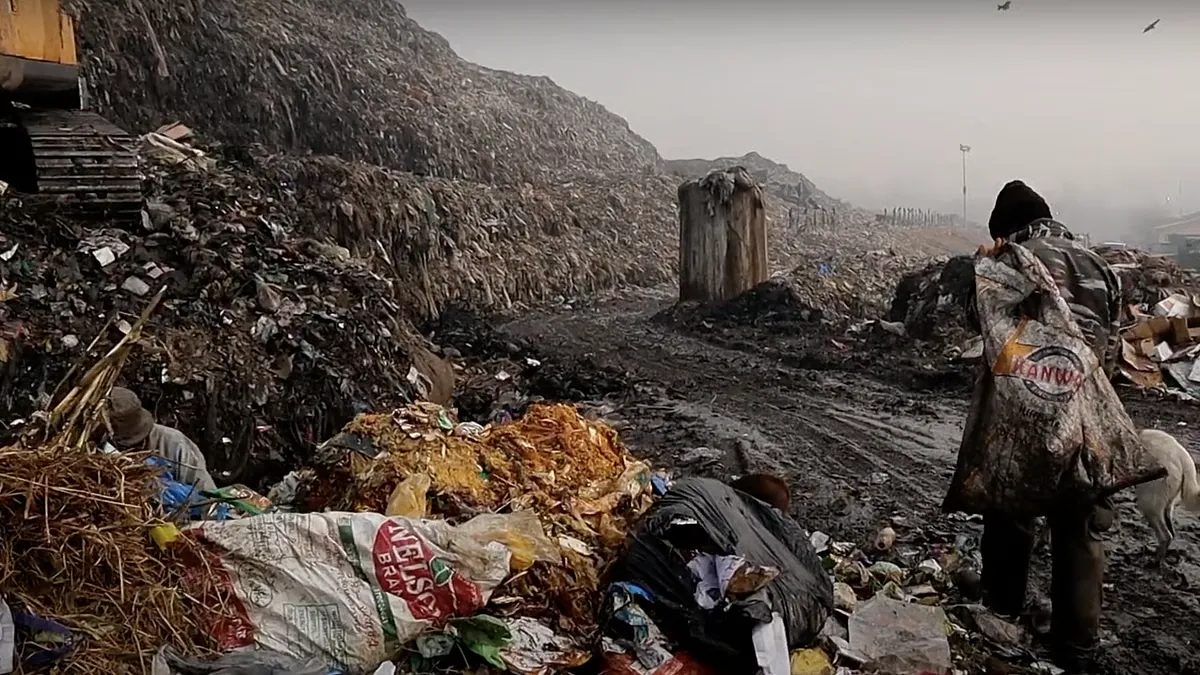
In Mathuradaspura area of Jaipur, a waste dumping yard is emitting leachate from plastic waste. This highly contaminated liquid is contaminating the nearest agricultural land and also increasing the bisphenol A (BPA) level of water, states a study of Central University of Rajasthan.

Alarming BPA Levels Found in Soil and Water

Researchers of the environmental science department of Central University have conducted the research. As per their research, the BPA concentration is up to 770.8 mg/L in soil samples and upto 798.9 mg/L in nearby water bodies. Such concentrations are considered extremely high. The findings show that the toxic chemicals are infiltrating surrounding ecosystems.

One of the researchers said, “There is a hidden environmental crisis under the mountain of waste. As the weather is changing and with every rainfall plastic waste is breaking down, leading to release of harmful chemicals.

Researcher Preksha Palsania, said that in order to understand the contamination level in the landfill, chickpea plants were used, “The results showed severe damage to plant growth and health. BPA exposure reduced seed germination, chlorophyll content, soluble proteins and enzymatic activity, all essential indicators of healthy plant development. At higher concentrations, these reductions reached nearly 70%-80%, showing how deeply BPA can interfere with normal plant functions and productivity.”

Effects of PET microplastics

The effect of PET microplastics (MPs) was closely studied, these particles are formed when plastic materials gradually break. It was found that there is an increased concentration of PET microplastics and affecting plant growth significantly. Researchers stated that the seeds in contact with MPs showed poor germination, affected plant size, and fewer leaves. Apart from this Photosynthesis was negatively affected and stress was visible inside plant cells.

The research was conducted under the guidance of associate professor Garima Kaushik. She noted that the findings suggest that the microplastics in agricultural soils would eventually reduce crop productivity in areas near the landfill. “The Mathuradaspura Waste Dumping Yard has therefore become much more than a waste disposal site. It reflects the hidden journey of plastic pollution from everyday convenience to long-term contamination.”

Long or Short, get news the way you like. No ads. No redirections. Download Newspin and Stay Alert, The CSR Journal Mobile app, for fast, crisp, clean updates!

App Store –  https://apps.apple.com/in/app/newspin/id6746449540 

Google Play Store – https://play.google.com/store/apps/details?id=com.inventifweb.newspin&pcampaignid=web_share

Latest News

Popular Videos
