


Iran’s Supreme Leader Rejects Demand to Export Enriched Uranium
The CSR Journal Magazine

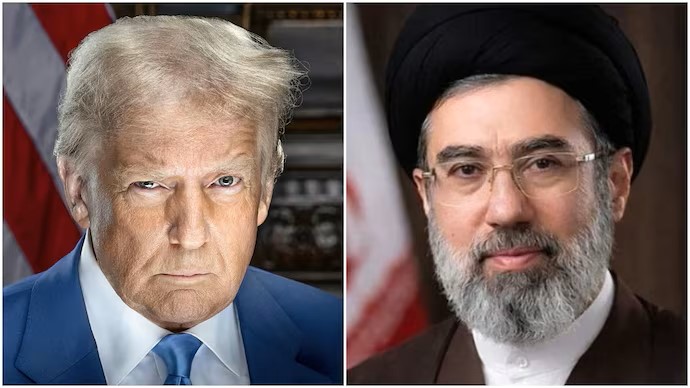
Iran’s Supreme Leader Mojtaba Khamenei has reportedly instructed that the nation’s uranium enriched to near-weapons-grade levels is to remain within the country. This directive comes from two senior Iranian officials and is seen as a firm stance against one of the primary demands from the United States in ongoing peace negotiations. The instruction could pose additional challenges for US President Donald Trump, particularly in discussions aimed at de-escalating the conflict involving the US and Israel against Iran.

According to Israeli officials, Trump has guaranteed Israel that Iran’s enriched uranium must be relocated outside the nation as part of any peace accord. The US, Israel, and various Western nations have long alleged that Iran is pursuing nuclear weapon capabilities, citing the country’s uranium enrichment levels that have reached sixty per cent, significantly exceeding the threshold necessary for civilian applications.

Prime Minister Benjamin Netanyahu of Israel has highlighted that he will not consider hostilities concluded until Iran’s enriched uranium is eliminated and further conditions are met, including Iran ceasing its support for proxy groups and dismantling its ballistic missile programmes.

Concerns Over National Security

The two Iranian officials, who requested anonymity due to the delicate nature of the information, indicated that there is a widespread belief within Iran that exporting enriched uranium would leave the nation more exposed to potential attacks from the US and Israel. The authority of Khamenei remains paramount, as he has the final say on critical state matters.

Neither the White House nor Iran’s foreign ministry has responded to requests for comments regarding this directive. As tensions persist, a fragile ceasefire has been maintained since the initiation of conflict on February 28, following US-Israeli strikes on Iranian positions. Following these events, Iran retaliated by targeting Gulf states that host US troops, resulting in clashes with Hezbollah forces in Lebanon.

Despite the ceasefire, little progress has been noted in peace negotiations, largely due to ongoing US sanctions on Iranian ports and Iran’s control over the vital Strait of Hormuz, a crucial maritime route for global oil supplies. Persian Gulf states remain sceptical about US intentions, with Iranian officials suspecting that the halt in military actions may be a strategic ploy by Washington to create a false sense of security.

Stalemate in Peace Negotiations

The chief Iranian peace negotiator, Mohammad Baqer Qalibaf, claimed recently that various actions by the US revealed intentions to escalate military confrontations, framing these as “obvious and hidden moves.” On his part, Trump remarked that the US is prepared to carry out additional military strikes against Iran if the country does not consent to a peace agreement, though he suggested a brief waiting period to obtain “suitable responses.” While some progress in narrowing differences has been identified, significant divisions persist regarding Iran’s nuclear programme and its enriched uranium reserves.

Iranian officials maintain that securing a comprehensive cessation of hostilities and reliable assurances against further attacks from the US and Israel are their primary objectives. They claim that detailed discussions on their nuclear programme will only commence once such commitments are firmly established. Reports suggest that prior to the outbreak of the conflict, Iran had expressed willingness to export approximately fifty per cent of its stockpile of enriched uranium, a position that has since been reassessed in light of repeated threats from Trump.

Sources indicate that viable solutions to the issue exist, such as the possibility of diluting the uranium stockpile under the oversight of the International Atomic Energy Agency. This agency has estimated that Iran possessed around 440.9 kg of uranium enriched to a level of sixty per cent at the onset of Israeli and US military actions in June 2025. The current condition and quantity of that stockpile remain uncertain.

Long or Short, get news the way you like. No ads. No redirections. Download Newspin and Stay Alert, The CSR Journal Mobile app, for fast, crisp, clean updates!

App Store –  https://apps.apple.com/in/app/newspin/id6746449540 

Google Play Store – https://play.google.com/store/apps/details?id=com.inventifweb.newspin&pcampaignid=web_share

Latest News

Popular Videos
