


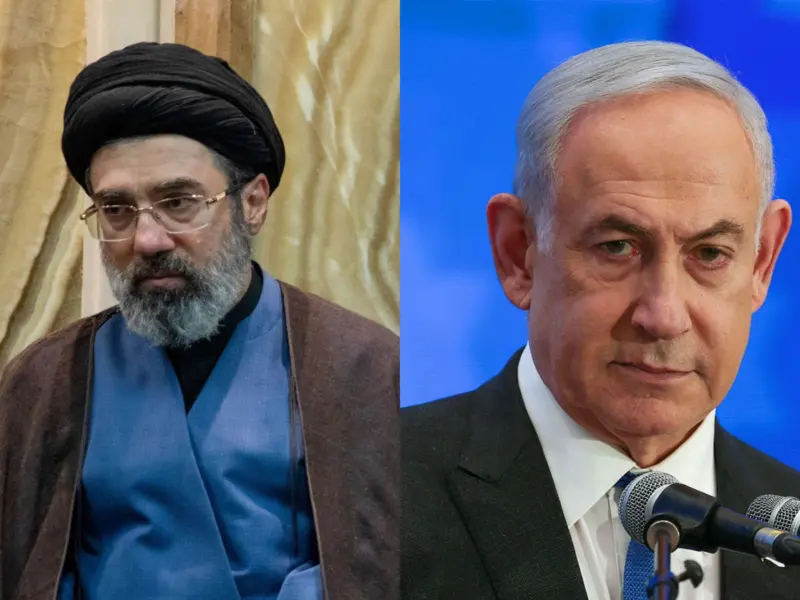

A recent Israeli airstrike on Beirut has prompted a fierce reaction from Tehran, marking a significant escalation in the ongoing conflict. An Iranian lawmaker has explicitly warned that Israel will soon face serious repercussions for its actions. This warning follows Israeli strikes in Dahiyeh, a known Hezbollah stronghold, which Israeli officials described as a response to rocket fire directed at northern Israel. The situation has aggravated an already unstable ceasefire, triggering renewed fears of intensified conflict throughout Lebanon.
Iran’s Response to Aggression
Ebrahim Rezaei, the spokesperson for Iran’s parliamentary national security commission, was vocal in his disapproval after the latest attacks. He stated, “We will deliver a decisive and painful response to the Zionist regime’s attack on Dahiyeh,” illustrating the seriousness with which Iran views this incident. His remarks, communicated online, emphasise Iran’s commitment to retaliate against what they consider acts of aggression. Rezaei’s warning not only calls for immediate repercussions but also suggests a broader intent to curb Israeli actions in the region.
The rhetoric continues with Rezaei further describing the Israeli forces as “rabid dogs,” a phrase indicating the high level of animosity in Iran’s official stance. This kind of aggressive language underscores the gravity of the situation, as both nations appear set on a path that could lead to further military engagements. The Israeli strikes have created a cycle of violence that many worry could spiral out of control if not managed.
Observers note that the increasing back-and-forth between Israel and Iran could destabilise the already volatile balance of power in the Middle East. The potential for further strikes raises questions about the effectiveness of current diplomacy and international efforts to maintain peace. Iran’s declaration regarding its military readiness highlights the imminent threats facing Israel and its allies amidst rising tensions.
Implications for Regional Security
The situation in Lebanon is critical, as the recent events have intensified fears of a wider conflict. If hostilities continue or escalate, they could affect not just Lebanon but also neighbouring countries. The fragile ceasefire, which has been tenuous at best, now faces unprecedented strain, raising alarms on whether diplomatic circles can successfully mediate a resolution. Any further military action by either side may disrupt the already compromised stability in the region.
International response to these developments will be closely monitored, as global powers have vested interests in the Middle East’s stability. The repercussions of these latest provocations could also extend beyond immediate military exchanges, engaging diplomatic channels in a way that could shape future policies and alliances.
In light of Iran’s threats and the volatile nature of the current situation, all eyes will be on how Israel responds. Any reaction may significantly influence the dynamics within the region and determine the level of escalation that can be expected in the coming days. As tensions mount, observers will remain vigilant, awaiting further developments in this critical international conflict.