


Iran Foreign Ministry Says No Plans for Talks with United States Amid Rising Tensions
The CSR Journal Magazine

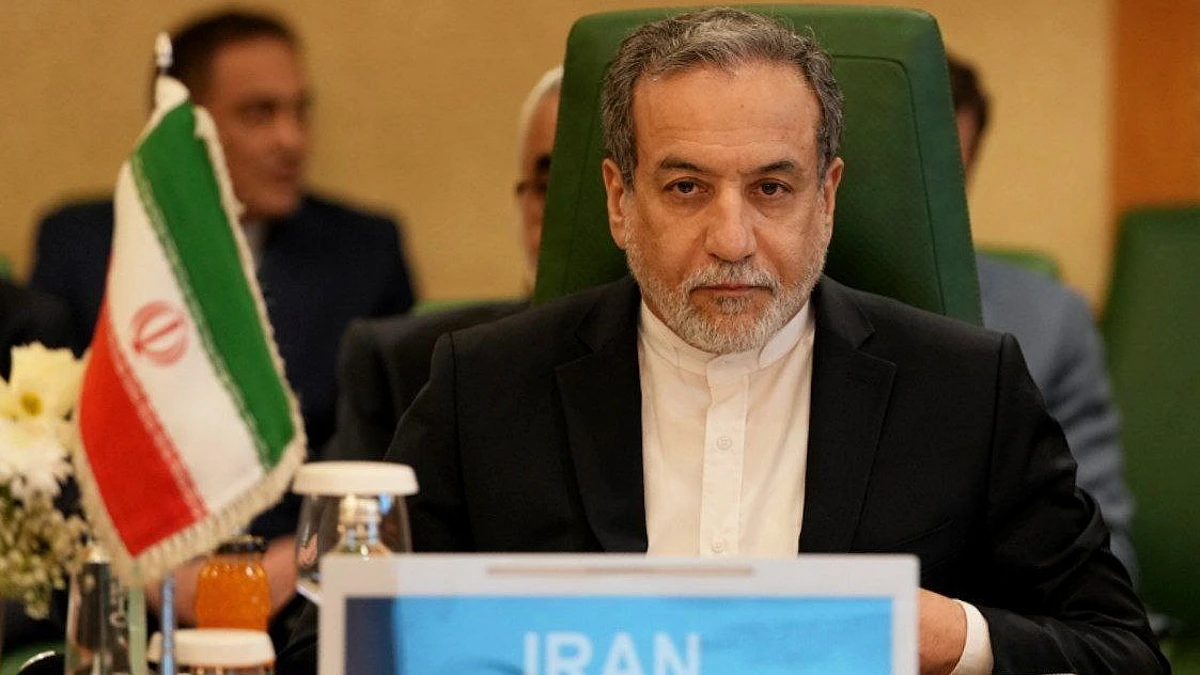
The Iranian Foreign Ministry spokesperson, Esmail Baghaei, stated that the country does not intend to engage in a second round of negotiations with the United States. This announcement was made during a press conference, where Baghaei outlined the current stances of Iran regarding international discussions with the US.

Context of the Announcement

The statement comes in light of recent tensions following the seizure of an Iranian cargo ship by US authorities. This incident has heightened the strain on diplomatic relations between the two nations, which have been fraught with issues over nuclear agreements and sanctions.

Baghaei emphasised that Iran is not looking to hold further talks under the present circumstances, indicating a firm stance on the matter. The spokesperson did not specify the reasons behind this decision but hinted at unproductive past negotiations as a contributing factor.

The Foreign Ministry’s remarks signal that Iran may be reassessing its approach to diplomatic engagements with the US. Analysts suggest this could lead to a prolonged period of disengagement, affecting regional dynamics and international response to Iran’s policies.

Impacts on US-Iran Relations

This latest development is likely to exacerbate the already complex relationship between the US and Iran. Relations have been particularly strained since the US withdrawal from the Joint Comprehensive Plan of Action (JCPOA) in 2018, which was intended to limit Iran’s nuclear capabilities.

The seizure of the Iranian vessel by US forces was part of broader enforcement measures against what the US claims as violations related to sanctions. As tension rises, it is expected that both sides will continue to trade accusations, potentially complicating any future diplomatic efforts.

Baghaei’s statement has raised questions about Iran’s future strategic choices. Observers are keenly watching whether this declaration will impact ongoing regional discussions concerning security and trade, particularly in the Gulf region.

Broader Regional and Global Reactions

The international community has been closely monitoring the evolving situation, with many nations expressing concern over the lack of dialogue between the two countries. The absence of negotiations significantly limits avenues for conflict resolution and could provoke further destabilisation in the region.

Iran’s decision not to negotiate could prompt reactions from world powers who played a role in brokering the original nuclear agreement. The European Union, for instance, has continually sought to mediate between the two nations to resume diplomatic dialogues.

As diplomatic channels close, regional alliances may begin to shift, and other countries may seek to fill the void left by faltering US-Iran communications. This development will undoubtedly be a focal point in international relations discussions moving forward, with several stakeholders trying to gauge potential outcomes.

Long or Short, get news the way you like. No ads. No redirections. Download Newspin and Stay Alert, The CSR Journal Mobile app, for fast, crisp, clean updates!

App Store –  https://apps.apple.com/in/app/newspin/id6746449540 

Google Play Store – https://play.google.com/store/apps/details?id=com.inventifweb.newspin&pcampaignid=web_share

Latest News

Popular Videos
