


International Smuggling Network of Human Placentas Busted in Pakistan
The CSR Journal Magazine

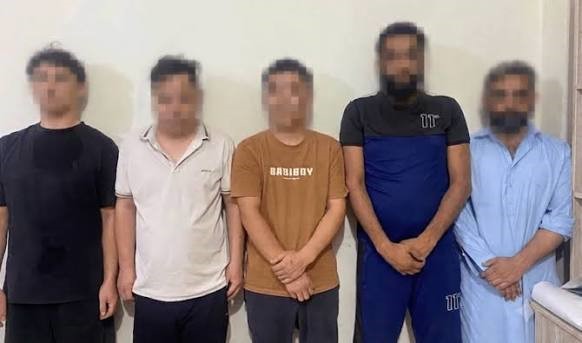
The smuggling of human placentas intended for high-value anti-ageing injections has been uncovered in Pakistan. The Federal Investigation Agency (FIA) raided two illegal processing facilities in Islamabad, leading to the arrest of five individuals, including three Chinese nationals. The arrests have spurred a broader investigation into potential links involving hospitals, waste management companies, and immigration officials.

Acting on intelligence, the FIA conducted raids on June 26, executing searches in the upscale F-71 sector of Islamabad. Surveillance had confirmed the existence of a fully operational facility where human placentas were allegedly cleaned, dried, and prepared for export under the label “She Placenta.” Investigators recovered essential operating machinery and biologically raw materials from the site.

Among those apprehended were three Chinese men named Li Gangcai, Wang Bao, and Peng Fei Gua, along with Pakistani citizens Waqas and Qasim Hanif. Another Chinese national, also named Li, was caught arriving at the property shortly after the arrests, claiming an acquaintance with one of the detainees.

Extent of the Operation and Findings

Following the initial raid, FIA teams expanded their search to another location in the E-11 sector of Islamabad, where they discovered a similar facility equipped with refrigerators and biological goods. This led to the detention of two additional Pakistani nationals for questioning as the investigation unfolded.

According to reports from the UK-based BBC, investigators believe that the scale of the operation is much larger than initially perceived. Officials suspect that the syndicate procured nearly 200 kilograms of human placenta monthly from hospitals in both Islamabad and Rawalpindi. In total, they allegedly seized around 500 kilograms of suspected human placenta during last week’s raids.

On the same day as the F-71 raid, authorities intercepted a 100-kilogram shipment at Islamabad airport, reportedly destined for Vietnam. This shipment further highlights the network’s extensive reach and operational capabilities.

Legal Implications and Ongoing Investigations

The smuggling ring is now facing charges under Pakistan’s Human Organ and Tissue Transplantation Act, 2010. Investigators have indicated that the placenta procurement was conducted at around 800 Pakistani rupees each, while the processed anti-ageing injections could fetch as much as 700,000 Pakistani rupees. Initial claims from the suspects that they had been processing sheep placenta were retracted during questioning. They subsequently admitted the material in question was human placenta.

The significant value of human placentas, often discarded after childbirth, has attracted attention in various medical and cosmetic applications. Despite their potential benefits, medical experts caution that the scientific evidence backing many commercial claims is often insufficient. Furthermore, regulations governing the utilisation of such materials vary across countries.

Pakistani authorities are broadening their focus, exploring whether this smuggling network has connections beyond Islamabad to other cities like Lahore, Peshawar, and Rawalpindi. Investigators are scrutinising whether hospitals, waste management companies, and immigration officials played any role in facilitating this trafficking operation. This incident marks a notable case in Pakistan’s history regarding human placenta trafficking, differing from past illegal organ transplant operations.

Long or Short, get news the way you like. No ads. No redirections. Download Newspin and Stay Alert, The CSR Journal Mobile app, for fast, crisp, clean updates!

App Store –  https://apps.apple.com/in/app/newspin/id6746449540 

Google Play Store – https://play.google.com/store/apps/details?id=com.inventifweb.newspin&pcampaignid=web_share

Latest News

Popular Videos
