


Indian Scientists Develop Ultrasound Technique to Target Oral Cancer Cells
The CSR Journal Magazine

A recent study has shown that ultrasound mechanical stimulation can selectively kill oral cancer cells while sparing healthy cells. This novel discovery offers hope for a non-invasive treatment option for oral cancer, a major health issue in India.

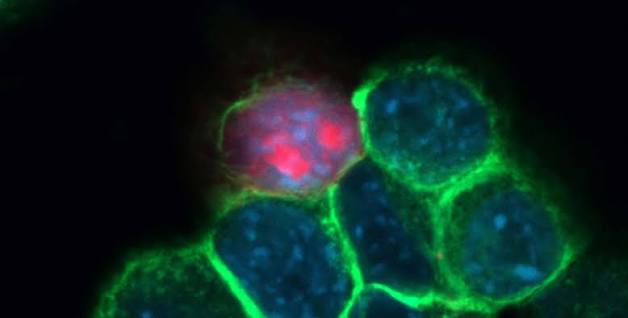
Researchers from the Indian Institute of Science (IISc), in collaboration with clinicians from MS Ramaiah Medical College and Hospitals, explored the effects of low-frequency ultrasound on oral tumour samples obtained from patients. The results indicate that oral cancer cells show particular sensitivity to moderate mechanical stimulation.

This selective vulnerability is attributed to lower levels of Tropomyosin 2.1, a protein that typically aids cells in sensing and resisting mechanical forces. The exposure to ultrasound triggers a process of selective cell death in cancer cells, while leaving healthy oral epithelial cells unaffected.

Ultrasound’s Role in Preventing Tumour Growth and Migration

In addition to instigating cell death, ultrasound has been observed to significantly impede the capability of cancer cells to migrate and invade surrounding tissues. Researchers utilised a 3D co-culture platform designed to mimic the intricate oral tumour microenvironment, allowing for an in-depth analysis of the ultrasound effects.

It was found that ultrasound disrupts the dense, protective barrier formed by cells encircling the tumour core. These barriers often obstruct the penetration of chemotherapy drugs and immune cells, contributing to treatment failures. By alleviating these defences, ultrasound may render tumours more vulnerable to additional therapeutic interventions.

The findings lend credence to the potential utility of ultrasound in enhancing treatment effectiveness for oral cancer patients, opening a pathway for better patient outcomes.

Prospects for Clinical Application and Future Research

The implications of this research are promising, particularly because ultrasound technology is already established as a non-invasive and medically sanctioned method. Ajay Tijore, Assistant Professor at the Department of Bioengineering at IISc, noted that this technique utilises the mechanical weaknesses inherent to cancer cells rather than depending on heat or pharmacological agents.

Significantly, the study was conducted using patient-derived samples instead of standard laboratory cell lines, potentially leading to findings that better reflect the diverse characteristics seen in Indian patients. The research team is now focused on validating these outcomes in more advanced preclinical models.

Additionally, they intend to investigate the possibility of combining ultrasound with existing treatments to improve drug delivery and overall efficacy of cancer therapies. If successful, this approach could fundamentally alter the landscape of oral cancer treatment in India.

Long or Short, get news the way you like. No ads. No redirections. Download Newspin and Stay Alert, The CSR Journal Mobile app, for fast, crisp, clean updates!

App Store –  https://apps.apple.com/in/app/newspin/id6746449540 

Google Play Store – https://play.google.com/store/apps/details?id=com.inventifweb.newspin&pcampaignid=web_share

Latest News

Popular Videos
