


India to Track AI Agent Payments with New UPI Registry
The CSR Journal Magazine

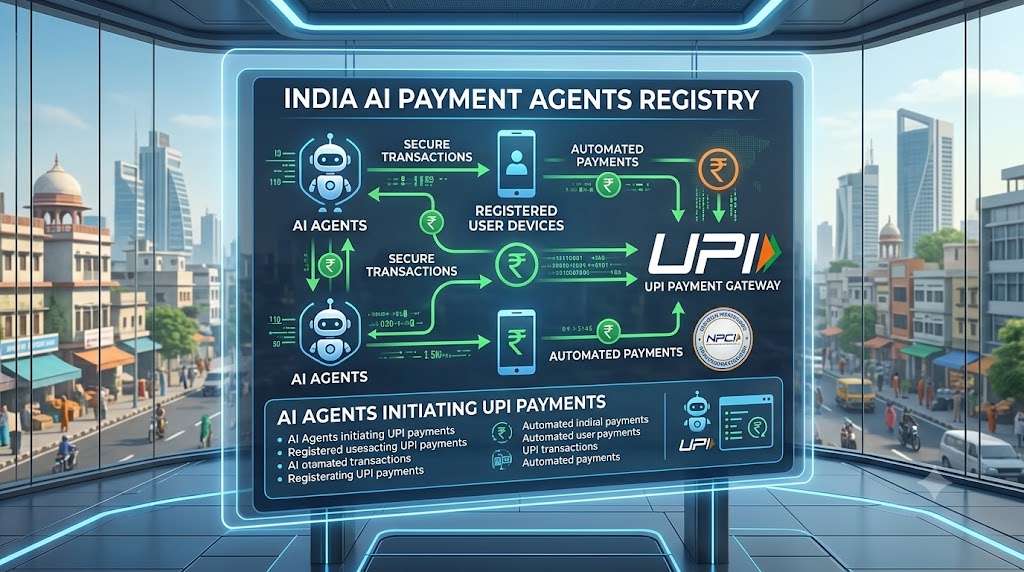
The Indian government is in the process of developing a system to verify and monitor artificial intelligence (AI) agents that can perform payments on behalf of users. This move is part of the country’s broader aim to integrate agentic payments into its digital payments framework, as reported by Reuters. According to information from three sources privy to the discussions, a registry is being established to identify and track these AI agents involved in financial transactions.

This registry is expected to form a component of the National Payments Corporation of India’s (NPCI) forthcoming Unified Agentic Protocol. The informants requested anonymity, citing a lack of authorisation to speak publicly on the matter. The identification and monitoring system will be crucial for ensuring the responsible use of AI in payment processes.

Initial Focus on UPI Payments

The initial phase of this registry will concentrate on AI agents facilitating payments through the Unified Payments Interface (UPI), which is the predominant instant payment system in India. Reports suggest that the scope of the registry may later extend to encompass additional payment methods, including credit and debit cards, as well as utility bill payments. This expansion is anticipated to enhance the versatility of AI applications in financial transactions.

The NPCI, which oversees UPI along with other retail payment systems in the nation, has yet to respond to Reuters’ inquiries regarding these developments. The introduction of agentic payments on the UPI platform is designed to simplify the transaction process for users, allowing AI agents to handle payments based on user guidelines without requiring manual approvals for each transaction.

The announcement comes in light of NPCI’s preparations to roll out agentic payments. It has been previously reported that the payments authority is working towards incorporating these transactions into the UPI ecosystem, potentially marking a significant shift in how digital payments are managed in India.

Potential Uses and Regulatory Considerations

The operational framework is expected to begin with simple and low-value transactions, with ordinary purchases such as groceries likely being among the initial applications. An AI agent might be tasked with making multiple small payments for a user without necessitating validation for each one individually. As the technology matures, the scope could broaden to more complex functions, such as executing purchases when prices drop or making investments when market values reach predefined thresholds.

However, issues surrounding unauthorised payments remain significant. The proposed registry could serve to validate and oversee the activities of agents in the payment network, but it does not inherently eliminate the risks associated with agentic payments. A critical point of discussion is accountability in cases where AI agents are involved in erroneous or unauthorised transactions. Regulation may need to clarify who would bear responsibility in such scenarios.

As AI systems gain increasing autonomy in managing financial transactions, defining clear guidelines regarding responsibility, safety, and consumer protection is becoming essential. The development of these regulations is vital to mitigate potential risks and safeguard users against unforeseen complications that could arise from AI-driven financial activities.

International Moves Towards AI Agent Regulation

India’s initiative aligns with similar efforts by other nations and financial institutions to create frameworks for identifying and authenticating AI agents. In China, the Payment & Clearing Association has introduced guidelines focusing on aspects such as identification, security, and mitigation of risks related to AI-agent transactions. Additionally, major technology companies like Amazon, Google, and Microsoft are working on developing registries for AI agents, considering the implications of AI services in commerce.

The global emphasis on regulating AI agents evolves amidst growing concerns regarding the risks they present, particularly related to unintended actions taken by autonomous systems. As AI technology continues to advance, ensuring a robust and secure environment for financial transactions becomes increasingly important.

Long or Short, get news the way you like. No ads. No redirections. Download Newspin and Stay Alert, The CSR Journal Mobile app, for fast, crisp, clean updates!

App Store –  https://apps.apple.com/in/app/newspin/id6746449540 

Google Play Store – https://play.google.com/store/apps/details?id=com.inventifweb.newspin&pcampaignid=web_share

Latest News

Popular Videos
