


UPSC Centenary Celebrations ‘Manthan’ Highlights Future-Ready Civil Services
The CSR Journal Magazine

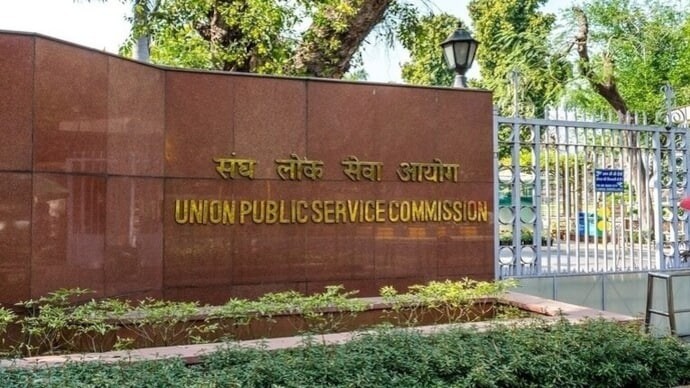
The Union Public Service Commission (UPSC) initiated its two-day centenary celebrations dubbed ‘Manthan’ at Bharat Mandapam in New Delhi, commemorating 100 years of the institution’s establishment. This event aims to engage a wide array of senior public officials and notable speakers in discussions centred around the evolving dynamics of civil services, innovations in public administration, and the foundational values that shape public service.

According to the Ministry of Personnel, Public Grievances & Pensions, the celebrations are designed to gather insights and foster dialogue on pressing issues facing civil services today. The UPSC Chairman, Ajay Kumar, articulated the Commission’s vision for its future role, grounded in the triad of Trust, Transparency, and Technology.

In his remarks, Ajay Kumar underscored the necessity for institutions to evolve in response to dynamic circumstances while maintaining core principles that are integral to their constitutional responsibilities.

Discussions on Civil Services’ Role in National Development

The first session of the centenary deliberations addressed the theme “Role of Civil Services in Viksit Bharat,” led by UPSC member Suman Sharma. Esteemed participants included Chief of Defence Staff General N S Raja Subramani, Member of Parliament Harsh Vardhan Shringla, and Sanjay Shrinet, Chairman of the Uttar Pradesh Public Service Commission.

Suman Sharma emphasised the significance of an outcome-driven approach in administration, asserting that civil servants must act as key instruments in implementing policies that result in tangible outcomes. She advocated for a proactive attitude away from procedural excuses, urging a focus on transformative impacts rather than just financial metrics.

General Raja Subramani stressed the importance of breaking down departmental barriers and being willing to take informed risks in an era marked by rapid change and closer civil-military relationships. He called for a more agile civil service capable of navigating complex challenges.

Harsh Vardhan Shringla advocated for expanding recruitment efforts to include candidates from Tier-2 and Tier-3 cities, as well as aspirational districts, emphasizing the importance of attracting younger talent to public service. He highlighted the responsibilities of public servants to prioritise the needs of the most disadvantaged individuals.

Technological Innovations and Constitutional Framework

The second session, entitled “Innovations in Public Service,” was presided over by Lt Gen Raj Shukla (Retd), a member of the UPSC. Shaktikanta Das, Principal Secretary-2 to the Prime Minister, delivered a keynote address, recognising UPSC as the “gateway to public service” and commending its commitment to fairness and integrity.

Discussions in this session highlighted the potential of technologies like Artificial Intelligence and data analytics in reducing bureaucratic inefficiencies and improving service delivery. The Ministry noted the ongoing technological advancements adopted by the UPSC, beginning with the introduction of computers in 1978.

The UPSC has progressively strengthened its digital infrastructure and cybersecurity capabilities, while also providing training for its officers in emerging technologies, including Artificial Intelligence. During the fiscal year 2023-24, the Commission processed documentation for 24,581 officers concerning promotions and inducted 532 officers into the All-India Services.

Long or Short, get news the way you like. No ads. No redirections. Download Newspin and Stay Alert, The CSR Journal Mobile app, for fast, crisp, clean updates!

App Store –  https://apps.apple.com/in/app/newspin/id6746449540 

Google Play Store – https://play.google.com/store/apps/details?id=com.inventifweb.newspin&pcampaignid=web_share

Latest News

Popular Videos
