


India Faces Scrutiny Over $500 Billion US Deal, US Secretary of State’s Visit Sparks Debate
The CSR Journal Magazine

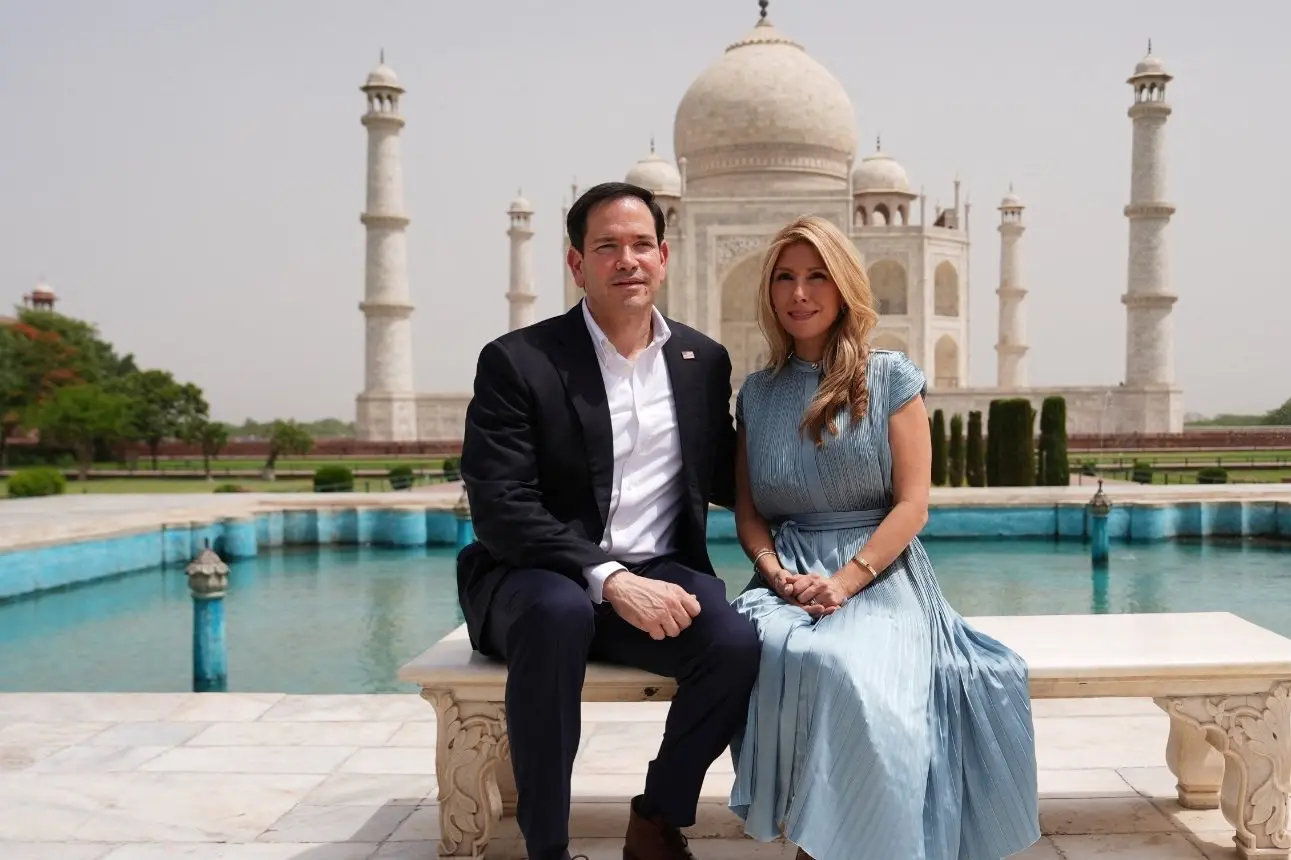
The recent visit of US Secretary of State Marco Rubio to New Delhi has initiated significant discussions within Indian political and business spheres, especially regarding a substantial $500 billion investment agreement. Rubio mentioned that India had “committed” to purchasing this large sum worth of American goods over the next five years. Although there was no immediate official response from New Delhi after his statement, the global media and economic commentators have since begun questioning the implications of this declaration.

Concerns are mounting as India faces economic pressures, including currency instability, rising oil prices, and uncertainties in global commerce. Critics are now deliberating whether this agreement may lead to an unequal arrangement with the United States, especially as India seeks to improve relations with President Donald Trump, whose previous tariff policies had placed India in a difficult position.

Impending Negotiations and Trade Commitments

A team of US negotiators, headed by Trade Representative Jamieson Greer, is expected to arrive in India from June 1 to June 4 to solidify the terms of the interim agreement and pursue discussions regarding a more comprehensive Bilateral Trade Agreement (BTA). This follows a preliminary trade understanding announced in February, wherein both nations indicated India’s intent to enhance its purchases of American products.

Initial statements about the agreement gave the impression of a target rather than a binding commitment. The Indian Ministry of Commerce also noted this figure in a press release, but it was mentioned towards the end. The ministry included various sectors, such as aviation equipment and energy supplies, deemed essential for achieving the projected trade volume.

Commerce Minister Piyush Goyal has downplayed apprehensions regarding the agreement, asserting that India’s expanding economy can manage such imports. He has indicated that demand from India’s aviation sector alone could yield around $100 billion over the five-year programme. However, Rubio’s characterisation of the arrangement as a firm commitment has reignited concerns about its feasibility and implications for India.

Analysts Express Concerns Regarding Timing and Implications

Analysts have raised questions about the appropriateness of pursuing such a massive import strategy, especially given the fluctuating global trade landscape since the original agreement in February. Following that announcement, the United States Supreme Court invalidated the legal foundation for some of Trump’s earlier tariff measures, which has since altered the tariff landscape and introduced a standard ten per cent tariff on various trading partners.

Experts are questioning the rationale behind India’s decision to move forward with acquiring a significant volume of American goods without securing greater concessions from the US government. Additionally, concerns have been expressed regarding the narrowing of supplier options in key sectors like aviation, which may limit competitive negotiations.

The potential economic pressure this agreement might exert on India’s foreign exchange reserves is also a focal point for economists. Reports suggest that negative net foreign direct investment, wherein more capital exits the country than enters, is contributing to the weakening of the rupee. A substantial import deal with the US could exacerbate these issues during a challenging economic period for India.

US-India Relations Remain Tense Amid Trade Disputes

Rubio’s visit occurred at a time of heightened tensions in India-US relations. The New York Times reported that Trump’s return to the White House has unsettled the diplomatic progress established over two decades. Recent strains have emerged over tariffs, immigration policies, and shifting global alliances.

During his press conference alongside India’s External Affairs Minister S. Jaishankar, Rubio sought to reassure that the relationship between the two countries remains intact despite ongoing trade disputes. He emphasised that India’s perspective should not take Trump’s tariffs personally, describing them as part of broader efforts to rectify trade imbalances.

Concerns about Trump’s relationships with other nations, particularly China and Pakistan, have also raised alarms in India. Worries surrounding new immigration regulations affecting Indian nationals working in the US have further complicated the landscape. As discussions progress regarding the $500 billion agreement, its political and economic ramifications are becoming increasingly sensitive and complex.

Long or Short, get news the way you like. No ads. No redirections. Download Newspin and Stay Alert, The CSR Journal Mobile app, for fast, crisp, clean updates!

App Store –  https://apps.apple.com/in/app/newspin/id6746449540 

Google Play Store – https://play.google.com/store/apps/details?id=com.inventifweb.newspin&pcampaignid=web_share

Latest News

Popular Videos
