


The INDIA Bloc Divide: Mamata Benerjee Fully Engaged While Stalin Pursues His Own Path
The CSR Journal Magazine

The INDIA bloc was formed as a coalition aiming to present a united front against the ruling party in India ahead of upcoming electoral challenges. This alliance includes various regional and national parties, which have differing political stances but converge on certain key issues. The collaboration aims to consolidate votes across states to enhance their electoral prospects, particularly in the context of the 2024 Lok Sabha elections.

Mamata Banerjee’s Active Participation

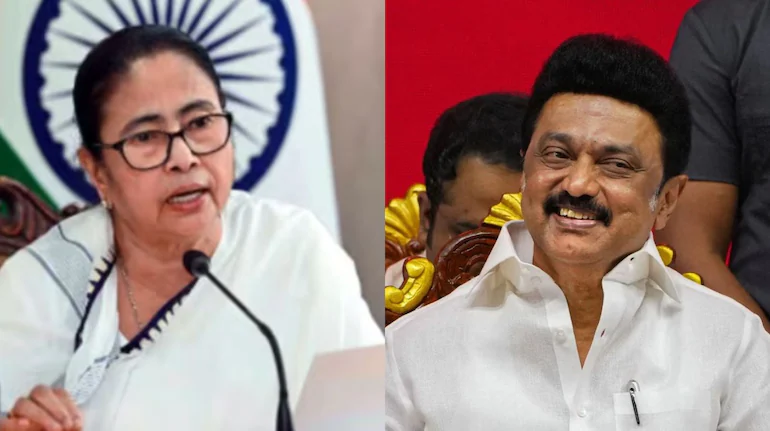
Mamata Banerjee, the Chief Minister of West Bengal and leader of the Trinamool Congress (TMC), has thrown her full support behind the INDIA bloc. She sees this coalition as pivotal to shaping national politics and countering the influence of the ruling Bharatiya Janata Party (BJP). Banerjee allegedly believes that her active involvement will fortify the chances of the alliance in her state and beyond.

Banerjee has already begun mobilising support within West Bengal, rallying her party workers and supporters to endorse the broader agenda of the INDIA coalition. She has also scheduled meetings with other key leaders in the alliance to discuss strategies for upcoming elections. This proactive approach is seen as a reflection of her determination to lead from the front in shaping the political narrative.

M.K. Stalin’s Independent Stance

In contrast, M.K. Stalin, the Chief Minister of Tamil Nadu and leader of the Dravida Munnetra Kazhagam (DMK), has reportedly adopted a more cautious approach to the INDIA bloc. While he has pledged support, Stalin has expressed a preference for pursuing his electoral strategies independently, which has led to speculation about the future dynamics within the coalition. His stance seems to indicate a belief that the regional party’s unique identity and issues may be better served by maintaining a degree of autonomy.

Stalin’s leadership style tends to be more reserved, and he has been seen as focusing primarily on state-level concerns rather than the national agenda advanced by the INDIA bloc. His administration is committed to addressing local issues such as social justice and economic development, which are paramount to his political base. This could lead to divergent paths for the two leaders as they approach the election season.

While Banerjee is actively mobilising her resources in support of the coalition, Stalin is reportedly taking a step back to assess the implications of a more involved partnership. His strategy may reflect a concern that a close affiliation with the broader alliance could dilute the DMK’s regional priorities. This dichotomy between the two leaders illustrates a broader challenge within the INDIA bloc — balancing regional aspirations with national ambitions.

Implications for the Future

The differing approaches of Mamata Banerjee and M.K. Stalin could have significant implications for the effectiveness of the INDIA bloc in the lead-up to the elections. Banerjee’s all-in attitude may attract additional support from voters who resonate with her assertive style. Conversely, Stalin’s independent path might appeal to those who are cautious about a coalition-driven agenda that does not address regional priorities diligently.

As the elections approach, both leaders will need to navigate their strategies carefully, weighing the benefits of collaboration against the imperatives of local politics. Their decisions will likely influence the unity, direction, and electoral performance of the INDIA bloc in the challenging political landscape of India.

Long or Short, get news the way you like. No ads. No redirections. Download Newspin and Stay Alert, The CSR Journal Mobile app, for fast, crisp, clean updates!

App Store –  https://apps.apple.com/in/app/newspin/id6746449540 

Google Play Store – https://play.google.com/store/apps/details?id=com.inventifweb.newspin&pcampaignid=web_share

Latest News

Popular Videos
