


Idle Ships Near Strait of Hormuz Raise Invasive Species Concerns
The CSR Journal Magazine

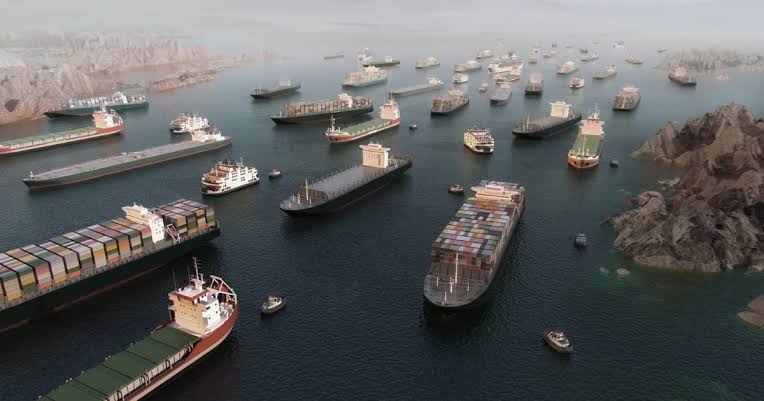
The Strait of Hormuz, a strategically vital waterway, has a large number of vessels currently anchored and unserviceable. This phenomenon is attributed to a mix of global economic conditions and trade disruptions, particularly in the wake of recent geopolitical tensions. As these ships remain stationary, marine life may proliferate on their submerged surfaces, potentially leading to ecological impacts in the region.

The presence of these inactive ships introduces unique habitats for various species, some of which may not be indigenous to the area. These vessels can act as artificial reefs, creating new ecosystems where marine organisms can thrive. This alteration of the local marine environment raises concerns about the introduction of non-native species that could outcompete native wildlife.

Potential Ecological Consequences

The long-term implications of these floating habitats could be significant. Invasive species are known to disrupt local marine ecosystems, leading to a decline in native biodiversity. Such disruptions can alter food chains and impact local fisheries, affecting both the economy and the livelihoods of communities dependent on these resources.

A report from marine biologists indicates that the risk of invasive species taking hold increases as ships remain idle for extended periods. When organisms attach to the vessel hulls, they can survive the journey to new locations even as ballast water is discharged. This process can introduce harmful species to vulnerable ecosystems, exacerbating existing environmental issues.

The resulting changes in biodiversity could create a cascading effect throughout marine habitats. While some invasive species thrive in disturbed environments, native species may decline, potentially leading to irreversible ecological changes. Ongoing monitoring and research are essential to understand the full extent of these impacts.

Regional and Global Implications

The ramifications of this situation extend beyond regional waters. Global trade routes heavily utilise the Strait of Hormuz, making it a critical juncture for maritime activities. The anchoring of numerous ships poses a dual challenge of managing economic interests while safeguarding marine ecosystems. Increased awareness of invasive species risks may necessitate changes in shipping practices and environmental regulations.

This issue resonates with multiple stakeholders, including governments, environmental organisations, and the shipping industry. To address the ecological threats posed by idle vessels, collaborative efforts at both local and international levels may be required. Initiatives aimed at mitigating the risks of invasive species through better management practices could foster more sustainable shipping operations.

Given the interconnectedness of marine ecosystems and economic activities, a strategic approach will be integral. Prioritising research on the pathways of marine invasions and their potential impacts can help inform future policies and management strategies. Ongoing dialogue between scientists and policymakers might prove beneficial in developing actionable measures to protect marine biodiversity.

Conclusion: A Need for Action

It is imperative for relevant stakeholders to consider and implement robust solutions to avert long-term ecological issues. Continued observation and research will be vital in gauging the impact of this phenomenon on local and global marine environments. Creating frameworks that balance economic needs with ecological preservation can foster a more sustainable future for marine ecosystems affected by maritime activities.

Long or Short, get news the way you like. No ads. No redirections. Download Newspin and Stay Alert, The CSR Journal Mobile app, for fast, crisp, clean updates!

App Store –  https://apps.apple.com/in/app/newspin/id6746449540 

Google Play Store – https://play.google.com/store/apps/details?id=com.inventifweb.newspin&pcampaignid=web_share

Latest News

Popular Videos
