


Historical Context of the Treaty of Versailles
The CSR Journal Magazine

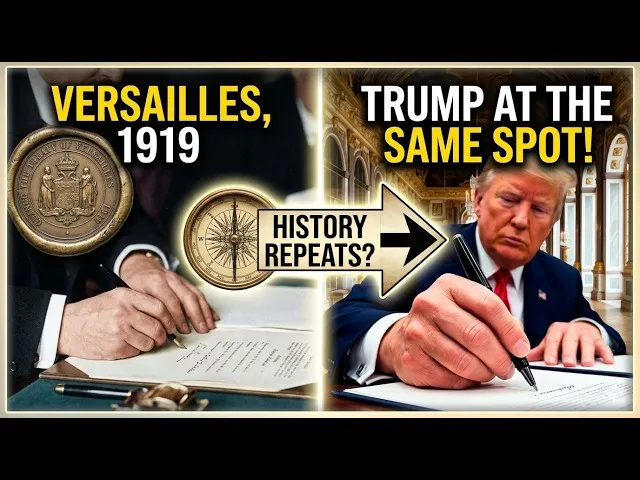
The signing of the US-Iran Memorandum of Understanding (MoU) by President Donald Trump has drawn comparisons to the Treaty of Versailles, signed in 1919. While this treaty aimed to bring an end to World War 1, historical analysis reveals it merely delayed conflict, creating conditions that eventually led to World War 2. This context serves as a reminder of how peace agreements can sometimes set the stage for future conflicts.

Historically, the Treaty of Versailles imposed harsh conditions on Germany and lacked a sustainable framework for peace. Consequently, resentment brewed among the German populace, which contributed to the emergence of a more devastating conflict just twenty years later. Although comparisons between modern geopolitics and early 20th-century Europe are fraught with complexity, the tensions involving Iran echo the historical caution surrounding peace treaties.

As Trump and Iranian President Masoud Pezeshkian formalised their understanding, critics have raised questions about the lasting impact of this agreement. Despite Trump’s intentions, the unresolved issues in the Middle East remain pressing, thereby casting doubt on the permanence of this diplomatic arrangement.

Ongoing Tensions in the Middle East

The tensions related to Iran’s nuclear ambitions have not dissipated with the signing of the MoU. Israeli Prime Minister Benjamin Netanyahu continues to assert that a nuclear-capable Iran poses an existential threat to Israel. This ongoing concern has perpetuated military operations in Lebanon, with Israeli forces maintaining a combative posture despite the superficial advances in diplomacy.

Some analysts argue that the US-Iran agreement might temporarily lessen tensions; however, they also point out it does not eliminate the fundamental disputes that have characterised the region for decades. Concerns regarding Iran’s nuclear capabilities remain unresolved, posing an ongoing challenge for regional stability. As Israel sees a need for continuous military readiness, the broader implications of the signed agreement invite scrutiny.

This ambiguity in the deal has left many policymakers questioning whether temporary diplomatic successes mask deeper, more persistent vulnerabilities. The realities on the ground indicate that despite ceremonial agreements, the foundation of ongoing conflict remains unaddressed.

Political Implications for Trump

With the United States on the cusp of celebrating its 250th Independence Day, Trump views the MoU as an opportunity for political gain. This potential diplomatic victory comes at a time when Trump faces mounting criticism over foreign policy and domestic issues, making the deal particularly timely as elections approach.

In light of these factors, the symbolism surrounding the agreement is pronounced, allowing Trump to portray himself as a peacemaker. However, the enduring nature of Middle Eastern conflicts raises doubts about whether this agreement will genuinely signify a lasting resolution or merely serve as a transient political narrative.

The broad political ramifications of such agreements are often dictated by the realities they fail to resolve. Previous historical instances underscore the possibility of renewed conflict, despite optimistic declarations of peace. As the world has witnessed before, wars are rarely concluded by mere signatures, highlighting the complexities involved in facilitating genuine peace.

Long or Short, get news the way you like. No ads. No redirections. Download Newspin and Stay Alert, The CSR Journal Mobile app, for fast, crisp, clean updates!

App Store –  https://apps.apple.com/in/app/newspin/id6746449540 

Google Play Store – https://play.google.com/store/apps/details?id=com.inventifweb.newspin&pcampaignid=web_share

Latest News

Popular Videos
