


Trump Cancels Planned Attacks on Iran, Incorporates Israel in Deal Discussions
The CSR Journal Magazine

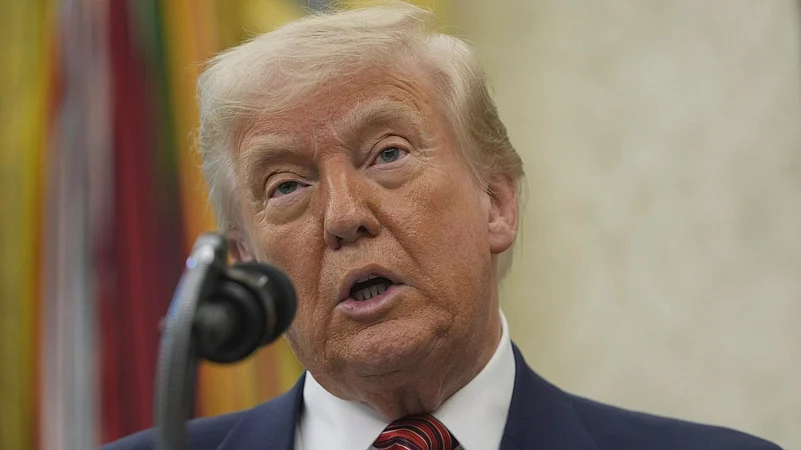
US President Donald Trump has confirmed the cancellation of a proposed military strike against Iran. He stated that this decision comes amidst an urgent appeal from various Middle Eastern nations for restraint and is contingent on reaching a swift agreement with Iran. During his announcement, Trump highlighted that the “perimeters of a deal has been agreed to” regarding significant issues affecting regional stability.

The crux of the announcement revolves around two major demands from Tehran: the unrestricted reopening of the Strait of Hormuz, a crucial maritime passage for global oil shipments, and a definitive cessation of Iran’s nuclear weapons development programme. Trump indicated that the suspension of military action is dependent on Iran’s willingness to expedite negotiations.

In a post on the social media platform Truth Social, Trump assured that the United States military remains prepared for action against Iran at a level unprecedented since World War II. However, he reiterated his decision to delay any offensive based on requests from Iran and other nations.

Reactions from Iran and Middle Eastern Nations

In response to Trump’s announcement, Iran has cautioned the US against taking any bold steps, asserting that it would respond firmly to any strikes on its territory. The Iranian Foreign Minister, Abbas Araghchi, communicated to officials from Pakistan and Turkey that any aggression would be met decisively, thereby escalating tensions further in the region.

This warning aligns with statements made by Trump earlier in the week, where he expressed frustration over the ongoing negotiations with Tehran and hinted at the possibility of renewed military actions. Araghchi has since discussed the potential repercussions of any destabilising actions by the US, underscoring the heightened risk of conflict.

Trump’s announcement of the dialogue framework coincides with increasing concerns from military officials regarding US capabilities in the region, as the ongoing situation with Iran continues to pose challenges to American military operations and resource availability.

Strategic Shifts and Diplomatic Implications

The inclusion of Israel in the discussions represents a notable shift in diplomatic dynamics, with both countries collaborating closely on security measures. This new alliance comes as a senior US military commander has warned about significant decisions soon facing the Pentagon concerning missile defence capabilities, especially as the threat from Iranian missile strikes on Israel becomes more pressing.

General Alexus Grynkewich, the head of US European Command, has advised Pentagon officials that current US naval resources are insufficient to effectively counter Iranian missile threats aimed at Israel. The dialogue initiated by the US has not yet received any confirmation or acceptance from the Iranian government, underlining the fragile nature of this newly proposed agreement.

As the potential for conflict remains, the agreement’s execution hinges on completing negotiations promptly, which would provide temporary relief from escalating hostilities in the region. The situation remains fluid, and stakeholders in the negotiations are expected to accelerate their efforts to formalise a binding treaty in the coming days.

Long or Short, get news the way you like. No ads. No redirections. Download Newspin and Stay Alert, The CSR Journal Mobile app, for fast, crisp, clean updates!

App Store –  https://apps.apple.com/in/app/newspin/id6746449540 

Google Play Store – https://play.google.com/store/apps/details?id=com.inventifweb.newspin&pcampaignid=web_share

Latest News

Popular Videos
