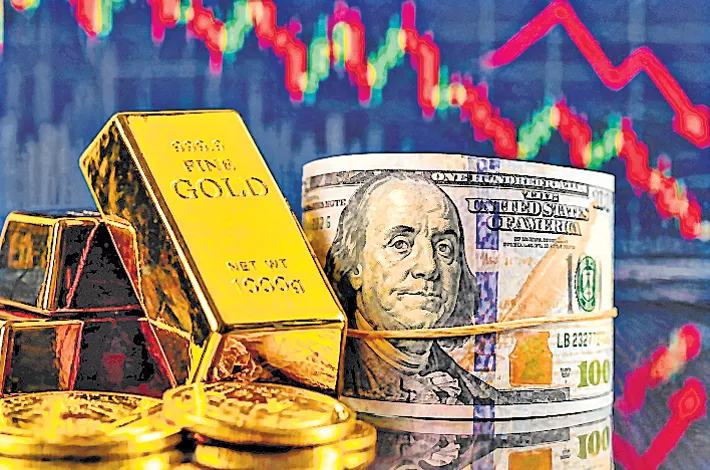
Gold prices have witnessed a marked decline from their historical peak, making it a notable event for investors in the metal. Earlier this year, the rates soared to an all-time intraday high of Rs 1,92,991 per 10 grams. However, current prices have plummeted to approximately Rs 1,41,977, reflecting a reduction of over 26 per cent.
This dip is one of the largest corrections seen in recent years, with silver also facing significant selling pressure as market sentiment shifts away from precious metals. Investors are reportedly reallocating their capital as economic conditions change.
Globally, gold is trading near a seven-month low, influenced by the anticipation of potential interest rate hikes by the United States Federal Reserve. A stronger US dollar and increased investments in equities, particularly in sectors linked to artificial intelligence, further contribute to the decreasing demand for gold.
Factors Contributing to the Decline
The primary reason for the decline in gold prices stems from changing perceptions regarding US interest rates. Current data from CME FedWatch suggests that there is a 66 per cent likelihood of a rate increase in September. Elevated interest rates typically diminish the appeal of non-yielding assets like gold, as investors find better opportunities in interest-bearing securities.
Additionally, the US dollar’s strength has played a crucial role, with the Dollar Index surpassing 101, marking its highest level since May 2025. The correlation between gold prices and the strength of the dollar is significant, as a stronger dollar generally leads to lower gold prices.
In the aftermath of last week’s Federal Reserve meeting, gold prices have fallen over 6 per cent, briefly dipping below the important $4,000-an-ounce threshold, a level not seen since November 2025. This fluctuation indicates the sensitivity of gold prices to monetary policy shifts.
Market Dynamics Affecting Investment Choices
Kaynat Chainwala, Assistant Vice President of Commodity Research at Kotak Securities, highlighted that the expectations surrounding the Federal Reserve have significantly influenced current price movements. Spot gold recently fell to $3,959 per ounce, a fresh seven-month low, largely due to the strengthened US dollar and shifting market sentiments regarding interest rate hikes.
Moreover, the ongoing discourse from the European Central Bank regarding persistent inflation has contributed to a widespread tightening narrative, further putting pressure on precious metals. Investors are also observing closely the US Personal Consumption Expenditures inflation data for insights on future interest rate developments.
In addition to these economic factors, the increasing interest in equities, particularly those tied to technological advancements like artificial intelligence, has redirected investor focus away from gold. Many exchange-traded funds tied to gold have reportedly seen outflows as individuals seek higher returns in stock markets.
Despite these fluctuations, some analysts maintain that gold retains its long-term investment value as a hedge against inflation, geopolitical risks, and currency volatility. However, short-term pressure on prices is expected to persist, particularly if monetary policies maintain a tighter stance or if the dollar continues to strengthen, causing further uncertainty in the market.
Long or Short, get news the way you like. No ads. No redirections. Download Newspin and Stay Alert, The CSR Journal Mobile app, for fast, crisp, clean updates!