


Global Sea-Surface Temperatures Hit Record Highs for 50 Consecutive Days Amid El Nino
The CSR Journal Magazine

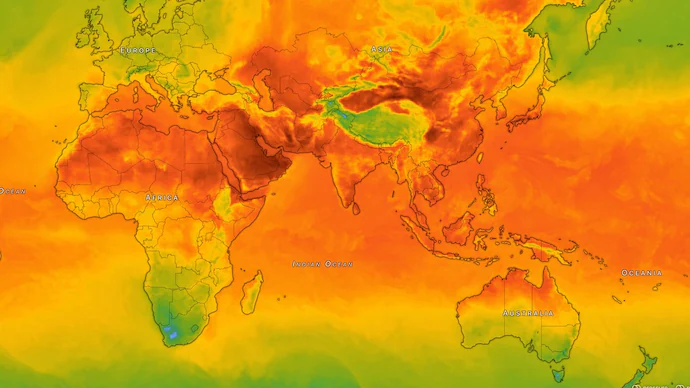
Global sea-surface temperatures have reached an unprecedented level, marking the 50th consecutive day of record warmth. This ongoing increase is attributed to the strengthening of the El Nino phenomenon, combined with long-term climate change factors. Data from various climate monitoring organisations indicates that average sea-surface temperatures across the oceans, specifically between 60° South and 60° North, have surpassed all previous records for nearly two months.

The latest analyses reveal that temperatures continue to rise, with forecasts suggesting that this warming trend is likely to persist for at least another month. The exceptional warmth has been primarily driven by human-induced global warming, alongside one of the most rapidly developing El Nino events ever recorded.

In the Niño 3.4 region—the central Pacific zone that serves as a key indicator for El Nino monitoring—sea-surface temperatures have increased at an unprecedented rate since the beginning of the year. This rapid increase in temperature is the fastest on record since systematic observations began in 1850, indicating a significant shift in ocean conditions.

Impact on Weather Patterns

The repercussions of rising sea-surface temperatures extend beyond mere numbers, as higher ocean warmth acts as a significant energy reservoir for the planet. Warm oceans absorb over 90 per cent of the excess heat accumulated by greenhouse gases. Consequently, the ongoing rise in temperatures is likely to catalyse stronger tropical cyclones, enhancing atmospheric moisture levels, and leading to severe rainfall events as well as marine heatwaves.

Furthermore, elevated ocean temperatures are linked to increased rates of coral bleaching across the world’s coral reefs. The strengthening of El Nino, characterised by unusually warm equatorial Pacific waters, not only exacerbates warming trends but also disrupts rainfall patterns globally. This can result in drought conditions in some regions while exacerbating flooding in others.

In India, the impact of these changing climatic conditions has already manifested in an erratic monsoon season this year. Similarly, various parts of Europe, North America, and Asia have recently experienced heightened instances of extreme heat, highlighting widespread weather disruptions related to the current climatic shifts.

Forecast for Future Temperature Trends

Projections indicate that 2026 is likely to become the second-warmest year on record globally, trailing only behind the previous record holder. As the El Nino phenomenon is forecasted to strengthen further and potentially reach its peak later this year, scientists warn that 2027 may inevitably be established as the warmest year on record unless unexpected changes occur within the climate system.

The consistent emergence of breaking ocean temperature records underscores the impact of natural climate variability, which is now acting as an amplifier for an already warming planet. Experts stress that continued increases in greenhouse gas concentrations are likely to make record-breaking years increasingly commonplace, representing a worrying trend within the context of global climate stability.

Overall, the situation demands urgent attention from policymakers and researchers alike, as the implications of this warming extend far beyond environmental concerns, affecting economies, ecosystems, and human livelihoods globally.

Long or Short, get news the way you like. No ads. No redirections. Download Newspin and Stay Alert, The CSR Journal Mobile app, for fast, crisp, clean updates!

App Store –  https://apps.apple.com/in/app/newspin/id6746449540 

Google Play Store – https://play.google.com/store/apps/details?id=com.inventifweb.newspin&pcampaignid=web_share

Latest News

Popular Videos
