Global Impact Of Clothing Donations

The CSR Journal Magazine

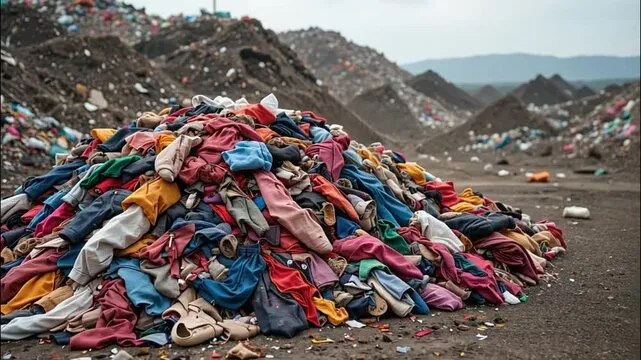
The journey of donated clothes often extends far beyond local charities and shelters, reaching distant countries and diverse environments. Reports indicate that items intended for those in need can end up in various regions, including deserts and coastal areas around the globe. This transformation in the journey of clothing reflects an extensive international clothing market that has emerged from surplus donations.

Donated garments can travel from places like Chile to Indonesia, traversing thousands of kilometres. These items frequently find their way into second-hand shops, where they are sold at decreased prices, or are exported to different nations. The scale of this phenomenon reveals a significant intersection of charity and commerce, where donations are created into a financial resource for those managing these programmes.

The environmental implications are also noteworthy. Many clothes that do not make their way to the intended recipients contribute to waste in various countries. Environmentally conscious organisations have highlighted the potential dangers that unwanted clothing can cause, especially when they end up in sensitive ecosystems, such as beaches and deserts.

Challenges Faced In The Donation Process

The logistics surrounding clothing donations often present considerable challenges. Transportation, sorting, and the actual distribution of these items can be complicated by factors such as local regulations and market demand. Organisations are sometimes unable to predict where the donations will ultimately end up, leading to a disconnection between the donors’ intentions and the real recipient outcomes.

This unpredictability has brought attention to the importance of educating donors about the potential lifecycle of their contributions. With a clearer understanding of how their donations are handled, individuals can make more informed choices about what and where to donate. Information about the eventual destination of donated items is crucial for engaged and responsible philanthropy.

Critics of the current processes argue that there is a lack of transparency in how donation networks function. Many individuals remain unaware of the elaborate systems in place that govern the distribution and sale of donated textiles. As awareness grows, more donors express interest in how their contributions are impacting local communities around the world.

Future Directions For Clothing Donations

In addition, sustainable practices are being developed to address the adverse environmental consequences associated with clothing waste. Efforts are increasingly aimed at educating the public on sustainable fashion and responsible donating. These initiatives are designed to encourage thoughtful engagements with clothing, promoting recycling, upcycling, and reducing excess consumption.

Ultimately, the clothing donation sector faces an opportunity to align donated items more closely with the needs of local communities while enhancing transparency in distribution. By adopting better practices and engaging donors effectively, the sector can ensure a more sustainable and ethical approach to clothing donations globally, minimising waste and supporting those in genuine need.

Long or Short, get news the way you like. No ads. No redirections. Download Newspin and Stay Alert, The CSR Journal Mobile app, for fast, crisp, clean updates!

App Store –  https://apps.apple.com/in/app/newspin/id6746449540 

Google Play Store – https://play.google.com/store/apps/details?id=com.inventifweb.newspin&pcampaignid=web_share

Latest News

Popular Videos