


Gaza’s Children Continue to Face Hunger Amid Growing Food Crisis
The CSR Journal Magazine

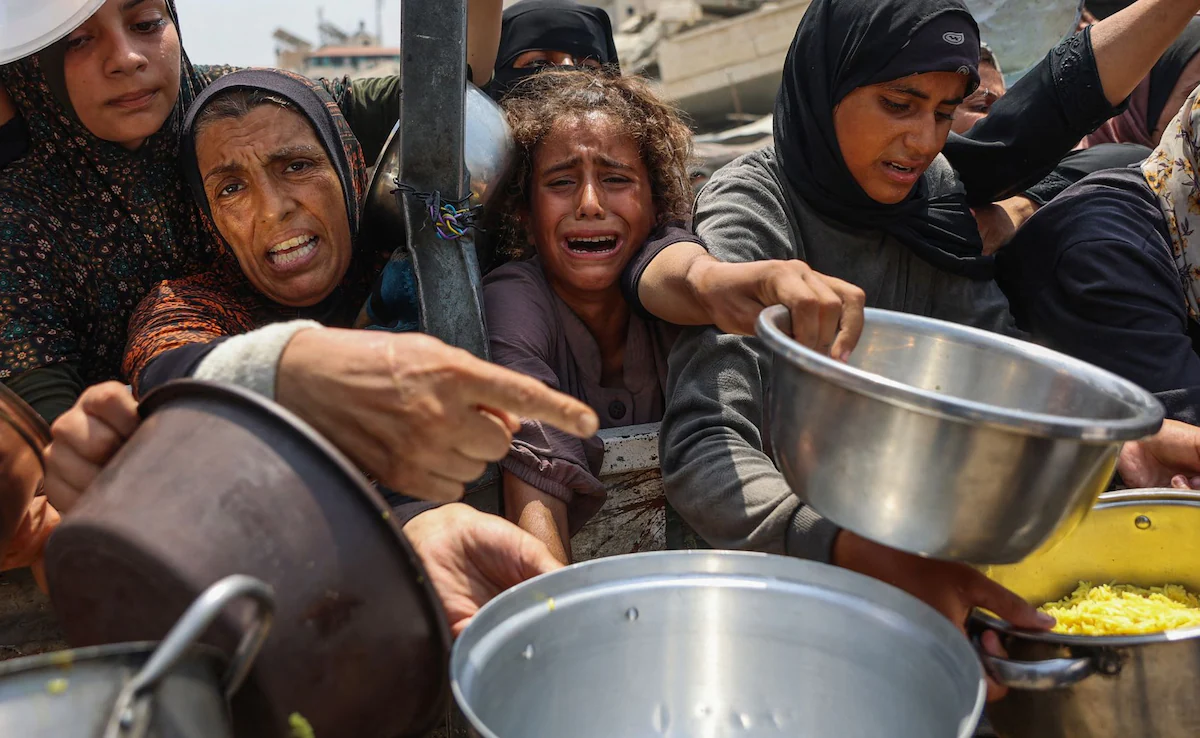
Families in Gaza are grappling with the aftermath of the famine that occurred in 2025, as another food emergency looms. Mothers like Sahar Al-Bardini are particularly affected, preparing meals for their children under dire conditions. Living in a tent at the Al-Zawaida camp, Sahar is tasked with providing for six-year-old Omar, four-year-old Sama, and three-year-old Mahmoud after losing her husband to an Israeli shelling incident three years ago.

The impacts of last year’s famine have left many families struggling with high food prices and ongoing food insecurity. The prolonged siege by Israel has exacerbated these issues, leading to concerns of another potential famine. In their daily routine, Sahar often experiences anxiety about how to secure the next meal for her children. Despite some increase in food availability, her family currently manages only one meal a day.

Both Omar and Sama faced significant health challenges during the last famine, suffering from malnutrition, which made regaining their health a lengthy process. Although they have begun to recover, Sahar remains deeply concerned about the possibility of her children facing similar health issues again due to inadequate food resources.

Worsening Food Security Situation

The United Nations Office for the Coordination of Humanitarian Affairs (OCHA) has recently issued alarming warnings regarding the food security crisis in Gaza. According to Justin Brady, head of OCHA in Palestine, approximately 67 per cent of Gaza’s population is dealing with food insecurity. Among these, over 200,000 individuals—representing around 10 per cent of the population—are living under conditions that are typically indicative of an impending famine declaration.

In response to the food shortages, community kitchens have become a vital source of nourishment for many families residing in Gaza. While these kitchens offer basic meals composed primarily of rice and inexpensive ingredients, they rarely include meat or other essential food items. As a result, children are missing out on nutritional components crucial for their development.

Sahar emphasises the importance of a diverse diet for children, which should include proteins, vegetables, and fruits. However, her financial constraints limit her capacity to provide grocery items beyond basic staples, revealing the stark reality of daily struggles faced by families trying to meet their children’s nutritional needs.

Consequences of Malnutrition on Children’s Health

The compounded effects of inadequate nutrition are evident in the experiences of mothers like Shimaa, who reflects on her attempts to feed her two-year-old daughter, Selina. During the recent famine, Shimaa often had to substitute lentils for milk when resources became scarce. Despite working tirelessly to support her family, Shimaa’s daughter continues to deal with the lingering effects of malnutrition.

Nutrition specialist Dr Ghada Jibril highlights that children who have experienced severe malnutrition require more than just basic sustenance to fully recover. The path to reinstating their health demands access to a balanced diet, including vital micronutrients that contribute to growth and cognitive development.

Dr Jibril notes that while the end of acute hunger may seem like a positive step, the impact of malnutrition does not dissipate quickly. Ongoing nutrition and care are essential for children to regain health and reach their developmental milestones. The current food crisis continues to hinder progress for families aiming to restore their children’s well-being.

Long or Short, get news the way you like. No ads. No redirections. Download Newspin and Stay Alert, The CSR Journal Mobile app, for fast, crisp, clean updates!

App Store –  https://apps.apple.com/in/app/newspin/id6746449540 

Google Play Store – https://play.google.com/store/apps/details?id=com.inventifweb.newspin&pcampaignid=web_share

Latest News

Popular Videos
