


France Shuts Nuclear Reactors Over Rising River Temperatures
The CSR Journal Magazine

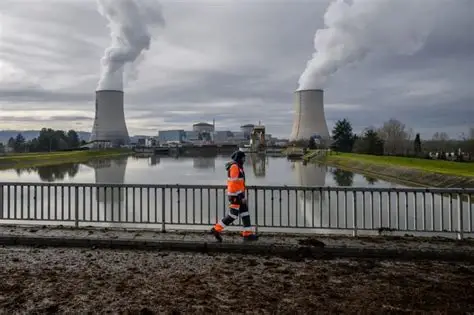
This week, three French nuclear reactors have been intentionally brought offline as the rivers that typically provide cooling water reached dangerously high temperatures. This action was taken to adhere to environmental regulations rather than due to any safety issues within the reactors themselves. The French state energy company EDF confirmed that units at the Golfech, Bugey, and Chooz plants were shut down while output was also reduced at eight additional plants, resulting in a total of approximately 6.3 gigawatts of nuclear capacity being either fully offline or functioning below normal levels.

The decision to shut down the reactors was driven by a persistent heatwave affecting Western Europe, leading to rising river temperatures that hinder the cooling process essential for nuclear generation. The core of the reactors remained safe, but the influx of warm river water severely affected cooling efficiency, necessitating this drastic measure.

Nuclear reactors rely on large volumes of cooling water to maintain operational safety and efficiency. They employ a process called nuclear fission to generate heat, which subsequently vaporises cooling water into steam, spinning a turbine to generate electricity. After this steam is used, it must be cooled and converted back into water, a process facilitated by condensers which require cooler water sources.

Impact of High River Temperatures on Nuclear Operations

The function of cooling systems in nuclear reactors relies heavily on the temperature differential between the incoming water and the steam. When river temperatures rise significantly, as has occurred recently, the efficiency of the cooling process is compromised, resulting in diminished energy production. Additionally, French laws impose strict regulations that prevent the discharge of heated water back into the rivers if doing so exceeds a certain temperature threshold, generally around 28 degrees Celsius. Such regulations are designed to protect aquatic ecosystems by preventing dissolved oxygen depletion and harmful algal blooms.

Given these circumstances, EDF had to choose between reducing operational capacity and harming river ecosystems. Thus, they opted to lower output to safeguard the rivers, emphasising that reactor safety was not compromised; it was, in fact, the health of the rivers that required protection.

In contrast to France, the prevailing conditions raise questions about the resilience of India’s nuclear reactors, particularly in light of the country’s recent exposure to heatwaves that brought electricity demands to over 270 gigawatts.

Resilience of Indian Nuclear Facilities Amid Increasing Heatwaves

Unlike reactors in France, many of India’s nuclear facilities are strategically located on the coast, drawing coolant directly from the sea. This coastal advantage offers a thermal buffer, as the vast ocean is less susceptible to rapid temperature changes compared to rivers. The Kudankulam plant in Tamil Nadu, for instance, is one such facility benefiting from this arrangement, mitigatively reducing the risk associated with potential shutdowns during heatwaves.

While inland reactors in India, such as those in Rawatbhata, Narora, and Kakrapar, share similar cooling system characteristics with their French counterparts, they are designed with innovative solutions. These reactors use large natural draft cooling towers that channel excess heat into the atmosphere through evaporation. This system allows for greater operational flexibility and insulates these plants from the stringent thermal discharge regulations impacting EDF’s operations in France.

However, inland reactors are not devoid of risk. They depend on a consistent supply of makeup water for their cooling processes. During severe drought conditions, if water sources are depleted, these plants might also face operational restrictions, although the hazards associated with high river temperatures, as seen in France, are significantly mitigated in India.

As climate conditions evolve, the focus for India may shift towards utilising freshwater resources efficiently, ensuring the longevity of its nuclear power capabilities amidst changing weather patterns. While French reactors grapple with the implications of high river temperatures, India’s unique positioning provides a framework to manage potential future challenges more adeptly.

Long or Short, get news the way you like. No ads. No redirections. Download Newspin and Stay Alert, The CSR Journal Mobile app, for fast, crisp, clean updates!

App Store –  https://apps.apple.com/in/app/newspin/id6746449540 

Google Play Store – https://play.google.com/store/apps/details?id=com.inventifweb.newspin&pcampaignid=web_share

Latest News

Popular Videos
