


US-Saudi Arabia Nuclear Deal Raises Security Concerns
The CSR Journal Magazine

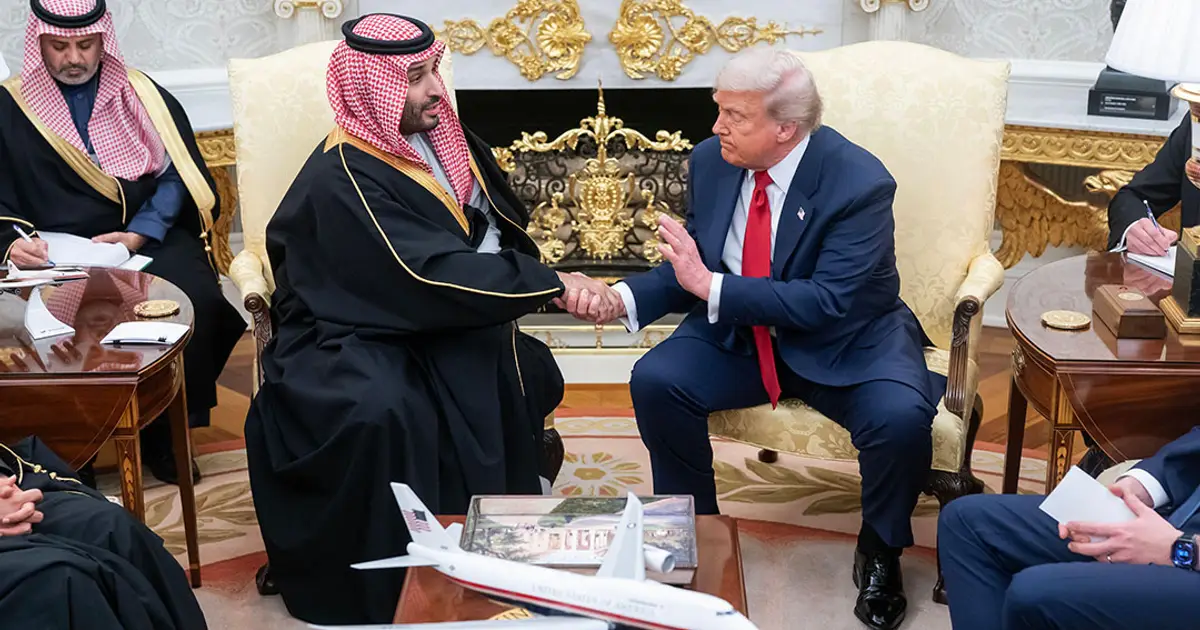
The recent agreement between the United States and Saudi Arabia has sparked significant discussions about its implications for regional security. Signed on July 23, 2026, the 30-year deal allows for the transfer of nuclear technology from the United States to Saudi Arabia. Although US officials assert the arrangement is intended for civilian nuclear energy, the exact terms remain undisclosed.

This deal has been submitted for review to the US Congress, where it is anticipated to encounter opposition primarily from Democratic lawmakers. Analysts have expressed apprehension regarding the potential for Saudi Arabia to develop its uranium enrichment capabilities, a critical step towards nuclear armament. Such developments could escalate tensions in an already volatile region.

Prominent concerns have also emerged about the implications this deal may have on nuclear proliferation across the Middle East. Observers caution that it may provoke other nations in the region to pursue their nuclear capabilities, thereby igniting an arms race.

International Reactions and Concerns

US Secretary of State Marco Rubio has reiterated that the partnership will prevent any nuclear proliferation, as US contractors will oversee the nuclear project. Westinghouse, a well-known US nuclear reactor designer, is reportedly set to play a key role in this initiative. However, skepticism remains about the long-term effectiveness of oversight by external entities.

Former Israeli Defence Minister Avigdor Liberman has voiced strong objections, asserting that any civilian nuclear programme initiated by Saudi Arabia ultimately leads to the development of nuclear arms. His comments highlight the concerns held by Israel, which has a long-standing policy aimed at preventing regional adversaries from obtaining nuclear capabilities.

Current Nuclear Security Climate

Concerns over nuclear safety have intensified in light of previous incidents in the region that threatened existing nuclear facilities. For instance, recent hostilities have prompted attacks on infrastructure related to Iran’s Bushehr nuclear power facility and the United Arab Emirates’ Barakah nuclear plant. While these attacks did not directly impact reactor cores, analysts warn that any damage could have catastrophic consequences, releasing dangerous radioactive materials within a considerable radius.

The catastrophic events at Fukushima in Japan and Chornobyl in Ukraine serve as stark reminders of the potential dangers associated with nuclear energy. The proposed presence of a “black box” uranium enrichment facility in Saudi Arabia, managed by US companies, raises significant questions about the risk of unintentional incidents and regulatory oversight in a region characterised by conflict.

Matthew Kroenig from the Atlantic Council has raised concerns regarding the feasibility and safety of the “black box” model. He questions the long-term involvement of US engineers and whether it would ultimately enable Saudi Arabia to gain valuable technological knowledge, leading to a future independent nuclear programme.

Long or Short, get news the way you like. No ads. No redirections. Download Newspin and Stay Alert, The CSR Journal Mobile app, for fast, crisp, clean updates!

App Store –  https://apps.apple.com/in/app/newspin/id6746449540 

Google Play Store – https://play.google.com/store/apps/details?id=com.inventifweb.newspin&pcampaignid=web_share

Latest News

Popular Videos
