


Finance Ministry Highlights Risk of Elevated Oil Prices on India’s Fiscal Deficit
The CSR Journal Magazine

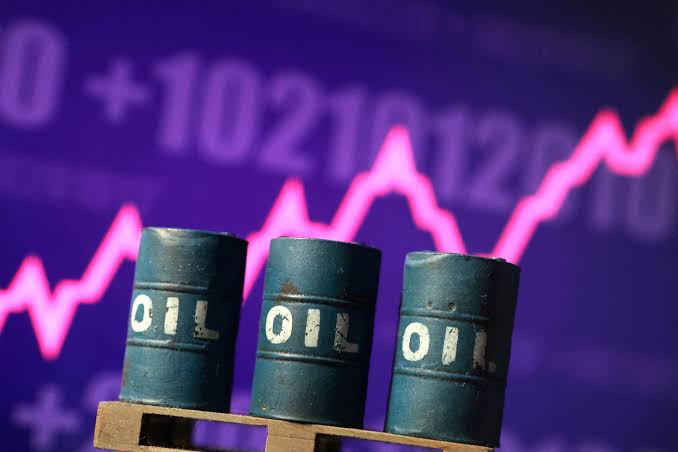
The Finance Ministry has warned that India’s fiscal deficit and current account balance may face significant challenges if crude oil prices remain high for an extended period. This caution arises amidst escalating geopolitical tensions in the Gulf, which continue to jeopardise the economic outlook of the nation, according to a report from Reuters. The ministry’s alert comes at a time when global oil prices have surged markedly, with Brent crude trading at $89.74 a barrel, reflecting a 6.72 per cent increase, while US West Texas Intermediate (WTI) crude has risen by 6.64 per cent to $84.52 a barrel.

This spike in oil prices has been attributed to concerns over potential supply disruptions caused by ongoing conflicts in the Middle East. The Finance Ministry’s July economic review stated that if these high crude prices persist, it could create renewed pressure on India’s fiscal deficit and current account balance, potentially exacerbating existing economic vulnerabilities.

Moreover, the ministry expressed concerns that these geopolitical tensions could lead to increased commodity prices, disrupt global trade flows, and trigger volatility in capital movement. As India relies heavily on imports for its crude oil requirements, higher oil prices inevitably inflate the country’s import bill, putting additional strain on inflation and widening the current account deficit.

Additional Risks from Weather Patterns

Besides the pressures posed by rising energy prices, the Finance Ministry has flagged the transition to an El Niño weather pattern as another significant risk to India’s economic stability. Adverse weather conditions could negatively affect agricultural output, contribute to food inflation, and dampen rural demand, compounding the challenges facing the economy.

Despite these concerns, the ministry’s report noted that India has comfortable food grain stocks and adequate reservoir levels, which could mitigate some impacts of weather-related disturbances. Government contingency measures are also in place to help cushion the economy against shocks stemming from adverse climatic conditions.

The report emphasised the need for vigilant monitoring of both energy prices and weather developments in the forthcoming months, as these factors could have far-reaching implications for India’s economic landscape. The ministry’s focus on these risks is indicative of its commitment to maintaining economic stability while navigating external uncertainties.

Optimism for Medium-Term Growth Prospects

Despite the highlighted near-term risks, the Finance Ministry has maintained a positive outlook regarding India’s medium-term growth potential. Initiatives by the government in sectors such as semiconductors, critical minerals, shipbuilding, and coal gasification are expected to bolster domestic manufacturing capabilities and enhance supply-chain resilience.

These strategic sectors are poised to support economic growth over the medium term, reflecting the government’s proactive approach to developing key industries crucial for India’s long-term economic development. As such, despite the immediate concerns related to oil prices and climatic changes, the ministry’s assessment offers a balanced perspective on the country’s developmental trajectory.

The government remains focused on fostering an environment conducive to growth, ensuring that measures are in place to address both immediate challenges and future opportunities. This outlook underscores a commitment to stabilising the economy while striving for sustainable progress in the years ahead.

Long or Short, get news the way you like. No ads. No redirections. Download Newspin and Stay Alert, The CSR Journal Mobile app, for fast, crisp, clean updates!

App Store –  https://apps.apple.com/in/app/newspin/id6746449540 

Google Play Store – https://play.google.com/store/apps/details?id=com.inventifweb.newspin&pcampaignid=web_share

Latest News

Popular Videos
