


How is India Maintaining Stable Petrol Prices Amid West Asia Oil Crisis
The CSR Journal Magazine

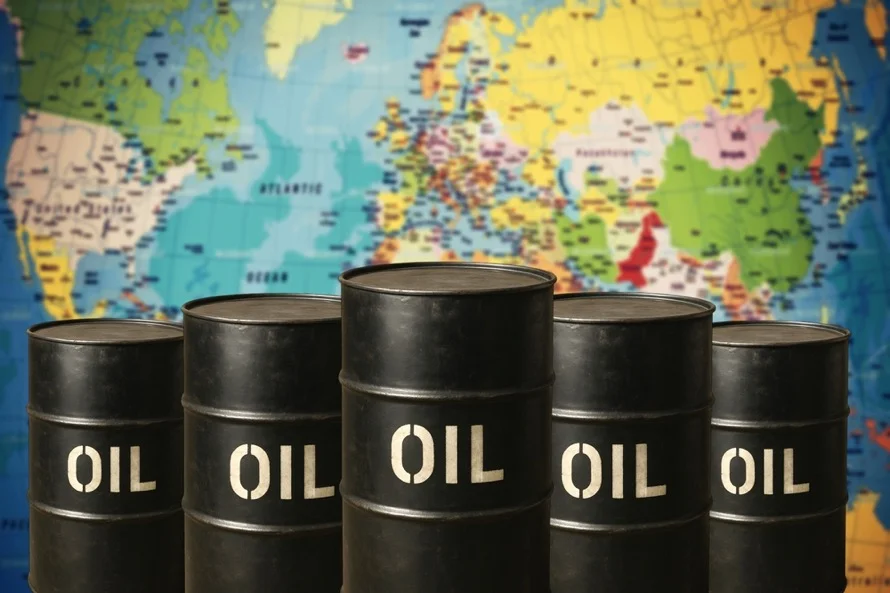
The ongoing conflict in West Asia, coupled with disruptions in the Strait of Hormuz, has led to significant challenges in the global energy market. Crude oil prices have escalated from approximately $70 per barrel to about $126 per barrel, leading countries worldwide to grapple with severe fuel shortages and inflated consumer costs. Nations are instituting emergency measures to manage these surging prices, which have reached unprecedented levels in various regions.

While cities like Hong Kong have petrol prices nearing Rs 295 per litre, Singapore sees rates around Rs 240 per litre. European nations like the Netherlands, Italy, and Germany are similarly grappling with petrol prices around or exceeding Rs 200 per litre. In stark contrast, India has kept petrol prices at around Rs 95 per litre, defying the trends seen globally.

This relatively stable situation in India may, however, be temporary. Sources within the government report that an increase in petrol and diesel prices, potentially by Rs 4-5 per litre, may be imminent. Furthermore, costs for domestic LPG cylinders could rise by nearly Rs 40-50, as the government assesses the financial strain on oil marketing companies.

India’s Response to Fuel Price Stability

The response from the Indian government to the evolving energy crisis has been swift and multifaceted. Following the escalation of global tensions, India implemented an LPG Control Order within eight days. This action was coupled with directives for refiners to significantly boost domestic LPG production, raising the daily output from approximately 36,000 tonnes to nearly 54,000 tonnes.

Additionally, the government reduced excise duties on petrol significantly, cutting it from Rs 13 to Rs 3 per litre, while eliminating nearly all excise duties on diesel. These measures aimed to cushion consumers from rising global oil prices. At one point, both the government and oil marketing firms were absorbing costs of approximately Rs 24 per litre on petrol and around Rs 30 per litre on diesel.

This strategy has been a double-edged sword, leading to substantial financial costs for state-run oil companies, which reportedly faced significant under-recoveries. Experts estimate potential losses without excise cuts could have surpassed Rs 62,500 crore, with sustained losses of approximately Rs 30,000 crore even after the adjustments.

Infrastructure and Supply Chain Resilience

A critical component of India’s strategy has been maintaining an uninterrupted fuel supply chain. India has efficiently navigated the challenges posed by global shipping disruptions to avoid widespread fuel shortages. Refinery operations have continued at over 100 per cent capacity while diversifying crude oil sources to reduce reliance on compromised routes in West Asia.

India has expanded its crude imports from various countries, increasing purchases from Russia, the US, West Africa, and others. Furthermore, infrastructure developments have been significant, with the number of LPG terminals doubling and the variety of sourcing countries expanding from 27 to around 40. Ethanol blending has also increased from 1.5 per cent to nearly 20 per cent, enhancing resilience against shortages.

Despite the measures taken, concerns remain regarding the sustainability of these strategies, especially if geopolitical tensions persist. Former officials have noted that previous conflicts typically impacted supply for shorter durations, while the ongoing situation shows no signs of resolution, raising questions about future fuel pricing and availability.

Long or Short, get news the way you like. No ads. No redirections. Download Newspin and Stay Alert, The CSR Journal Mobile app, for fast, crisp, clean updates!

App Store –  https://apps.apple.com/in/app/newspin/id6746449540 

Google Play Store – https://play.google.com/store/apps/details?id=com.inventifweb.newspin&pcampaignid=web_share

Latest News

Popular Videos
