


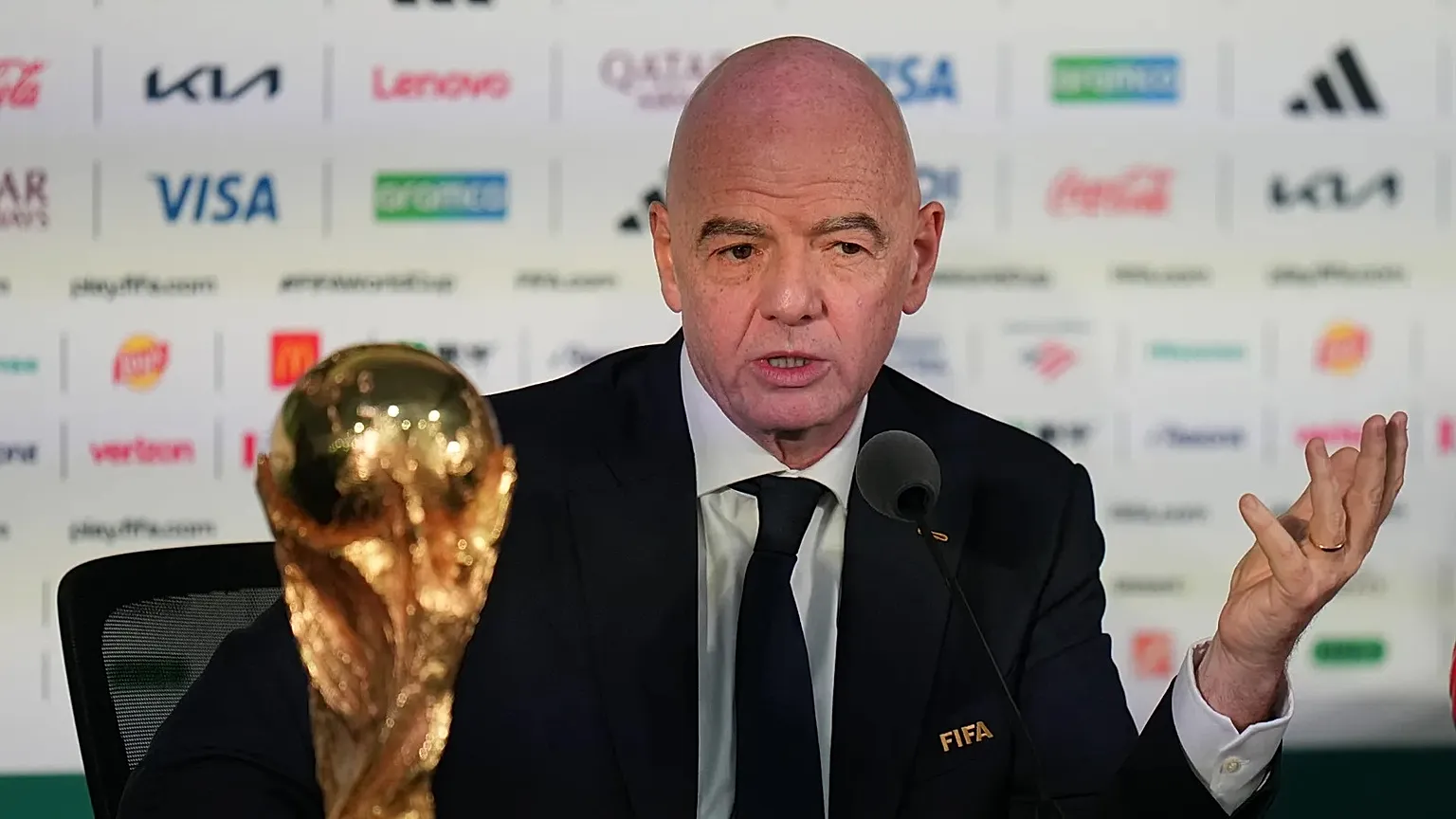

FIFA Faces United Opposition Over Private Investment Proposal

The CSR Journal Magazine

FIFA is encountering significant opposition from various continental confederations concerning its recent proposal to invite private investors into the governance of world football. This backlash comes from three of FIFA’s six continental organisations, with UEFA, representing Europe, taking the most assertive stance by unanimously rejecting the plan. UEFA has even threatened to boycott FIFA competitions if the proposal goes ahead.

The Asian Football Confederation (AFC) has also voiced its strong disapproval, expressing “great concern and disappointment” regarding the lack of consultation surrounding the proposal. Additionally, the Confederation of North, Central America and Caribbean Association Football (CONCACAF) has raised questions about the process by which the plan was introduced.

This mounting united front signals a pivotal moment in the governance of international football as these confederations express fears that the proposal could drastically change how the largest competitions are managed.

Details of FIFA’s Proposed Structure

At the heart of the controversy lies FIFA Forward Enterprise (FFE), a planned subsidiary aimed at consolidating FIFA’s commercial and event management operations under a single umbrella. FIFA estimates that FFE could be valued at $20 billion and could raise as much as $4.2 billion through the sale of minority stakes to external investors. FIFA asserts that it intends to maintain control over the enterprise and all decisions related to football governance and competition.

However, the concerns from confederations extend beyond financial implications. Many believe the manner in which FIFA has presented the proposal raises serious questions about governance and consultation. The AFC has specifically stated it was not consulted before the announcement, describing the situation as “totally unacceptable.” The AFC’s criticism highlights the risk that FIFA’s unilateral decision-making approach threatens the foundational principles of cooperation and solidarity within the sport.

Furthermore, the AFC has expressed alarm over the quick timeline for a decision regarding this significant change, arguing that such wide-ranging implications require thorough legal and governance scrutiny.

European Union’s Rejection and Wider Implications

The urgency surrounding this proposal has been met with strong resistance from UEFA, which represents 55 member associations. UEFA unanimously rejected the plan, stating a willingness to boycott FIFA competitions should the proposal remain active. UEFA has labelled the idea of treating the World Cup as an investment vehicle as unacceptable, asserting that the tournament is not for sale.

Moreover, UEFA has accused FIFA of pushing forward with the proposal without adequate consultation with key football governing bodies. The European confederation also fears that introducing private investment could skew the sport’s priorities, potentially compromising its integrity and long-term vision.

In the meantime, CONCACAF has not adopted a boycott stance but has echoed concerns regarding the lack of due process in the proposal’s development. The association, which encompasses 41 member nations, has highlighted apprehensions over the compressed timeline and absence of official approval from FIFA’s governance structures.

Together, UEFA, AFC, and CONCACAF represent 143 of FIFA’s 211 member associations, making their collective opposition a significant challenge for FIFA to address.

FIFA’s Response to the Backlash

Amidst the escalating criticism, FIFA has reiterated its commitment to consultation, maintaining that confusion has arisen regarding the details of the proposal. FIFA insists that every member association should have the opportunity to review the plan and participate in the decision-making process.

According to FIFA, the proposal aims to bolster funding within football, allowing each member association to potentially receive an additional $20 million for special projects. The governing body states that this funding could support infrastructure, coaching, and grassroots initiatives, among others.

Despite the financial incentives presented, opposition forces have clarified that their concerns extend beyond mere financial gain; they centre on the governance of the sport. Transparency and proper consultation have emerged as non-negotiable components for the future direction of football on a global scale, particularly from European and Asian football authorities.

Long or Short, get news the way you like. No ads. No redirections. Download Newspin and Stay Alert, The CSR Journal Mobile app, for fast, crisp, clean updates!

App Store –  https://apps.apple.com/in/app/newspin/id6746449540 

Google Play Store – https://play.google.com/store/apps/details?id=com.inventifweb.newspin&pcampaignid=web_share

Latest News

Popular Videos