



Europe Establishes Nighttime Cooling Centres Amid Ongoing Heat Crisis

The CSR Journal Magazine

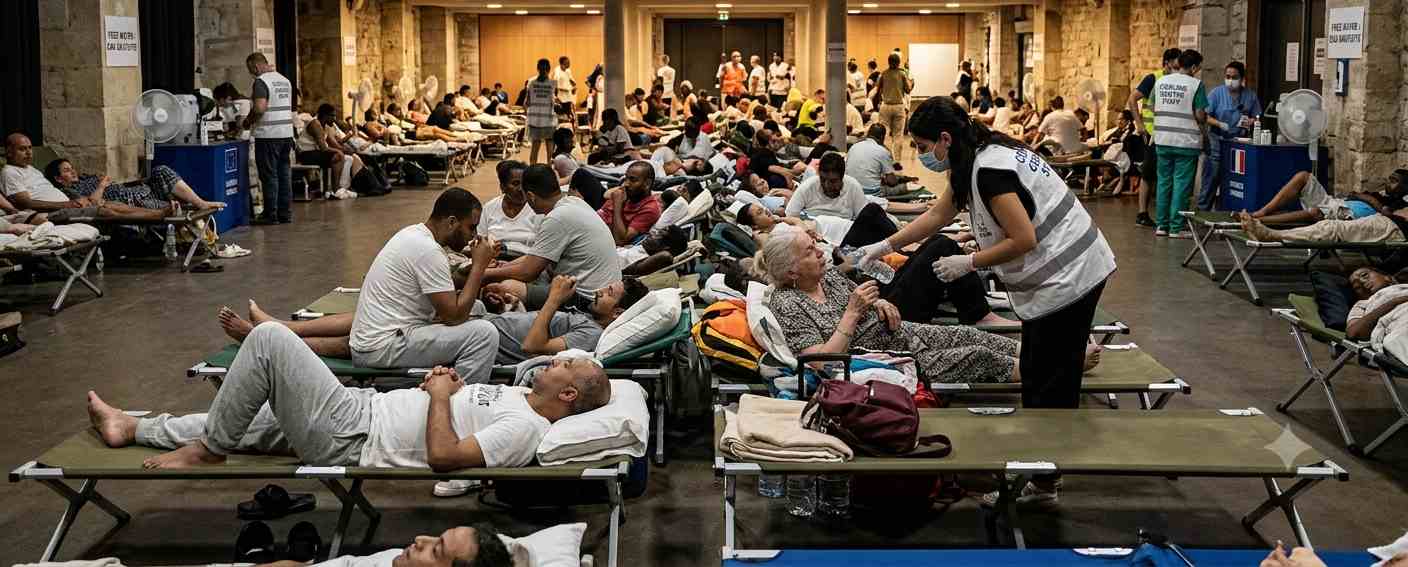
Europe is witnessing a significant shift as cities adapt to increasingly high nighttime temperatures. As the summer of 2026 progresses, several municipalities, including Paris, Madrid, and Barcelona, are opening libraries, museums, and parks as nighttime cooling centres. The extreme heat that continues after sunset poses serious health risks, particularly for vulnerable populations such as the elderly and young children.

The persistent warmth during the night has turned what was once an individual discomfort into a pressing public health concern. Healthcare officials stress that warm nights can severely inhibit the body’s ability to recover, making access to cooler environments critical for those most at risk.

With many areas recording temperatures above 20 degrees Celsius, nights have become dangerously tropical. Medical professionals warn that without proper recovery, individuals may face increased health complications, including heat exhaustion, dehydration, heart attacks, and strokes.

Understanding the Urban Heat Island Phenomenon

The phenomenon known as the urban heat island effect exacerbates the situation. Urban areas tend to retain heat due to materials like concrete and asphalt, which absorb solar energy during the day and release it slowly at night. This effect amplifies temperatures in city centres compared to surrounding rural areas.

Structures such as tall buildings obstruct airflow, preventing cooler breezes from alleviating the heat. Additionally, urban activity—traffic and air conditioning units—contributes further warmth, intensifying the challenges faced by city dwellers during heatwaves.

Given these conditions, the adaptation measures adopted by many authorities provide essential respite for residents as they seek shelter from the oppressive heat.

Challenges with Air Conditioning in Europe

Unlike some regions, particularly the United States, air conditioning is not widely available in European homes. Approximately one-fifth of households in many parts of Europe are equipped with air conditioning. This lack is problematic during heatwaves, as homes designed to retain warmth in winter become uncomfortable under prolonged heat.

Many European residences lack the necessary infrastructure to mitigate high temperatures effectively, leading to increased discomfort and potential health hazards. During heatwaves, these buildings often retain intense heat long after sunset, further endangering residents.

In light of these constraints, European cities are focusing on utilising existing community resources. By converting various public spaces into cooling centres, authorities are striving to offer safe havens for individuals unable to find relief from the heat.

Heatwave Factors and Longer-Term Concerns

The ongoing heatwave across Europe has been attributed to a weather pattern known as the Omega block. This phenomenon involves a high-pressure system that settles over the continent, effectively trapping hot air and preventing the passage of cooler, rain-bearing systems. As a result, the skies remain clear of cloud cover and temperatures continue to rise.

Moreover, scientists indicate that the current climatic trends are influenced by broader factors, including climate change driven by human activity. The rate at which Europe is warming is reportedly faster than any other continent, raising concerns about the returning frequency and severity of such extreme weather phenomena.

Cities are being compelled to confront the realities of these environmental shifts. The establishment of cooling centres represents just one of the measures authorities are implementing to safeguard public health. As the situation evolves, communities must navigate the complexities of climate adaptation and resilience strategy.

Long or Short, get news the way you like. No ads. No redirections. Download Newspin and Stay Alert, The CSR Journal Mobile app, for fast, crisp, clean updates!

App Store –  https://apps.apple.com/in/app/newspin/id6746449540 

Google Play Store – https://play.google.com/store/apps/details?id=com.inventifweb.newspin&pcampaignid=web_share

Latest News

Popular Videos