


El Nino May Cause Over $5 Trillion Loss to Global Economy
The CSR Journal Magazine

The developing El Nino anticipated in 2026 is projected to be one of the most intense occurrences in recorded history, raising concerns about its likely economic repercussions. Researchers have indicated that global financial losses may exceed those experienced during prior substantial El Nino events, such as the 1997-98 incident, which resulted in an estimated cost of $5.7 trillion to the world economy. A recent comprehensive study published in the journal Science highlights these alarming possibilities.

The research discovered that El Nino inflicts more than just temporary weather disturbances; it can also leave enduring impacts on economic development that persist long after the climatic phenomenon has concluded. The 1982-83 El Nino was found to have caused approximately $4.1 trillion in losses, while the earlier mentioned 1997-98 event had even greater economic implications.

The findings suggest that national economies often do not regain their full potential after being disrupted by extreme weather conditions, crop failures, droughts, floods, and interruptions to trade and infrastructure. As a result, the stakes appear significantly higher this time around, with negative effects likely to be felt across various sectors over the long term.

Current Climate Conditions and Projections

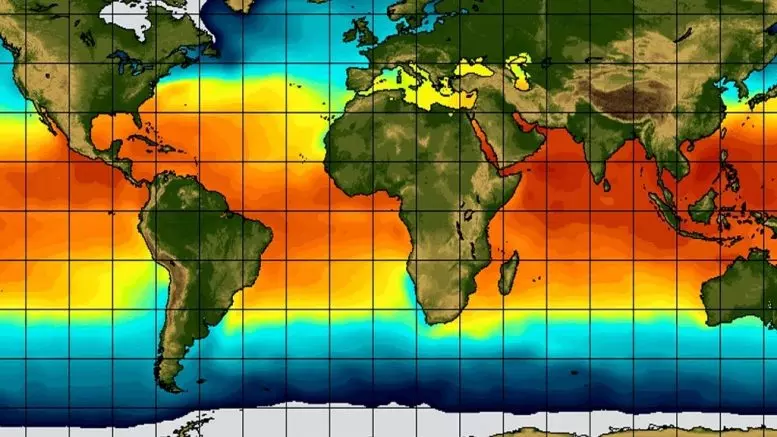
Scientists currently tracking the tropical Pacific have reported that sea surface temperatures are already demonstrating characteristics associated with a Super El Nino. Furthermore, a record level of subsurface heat is anticipated to surface in the coming months. Forecasts indicate that this climatic event may reach its peak by December 2026 and could influence weather patterns extending into 2027.

According to the research presented in Science, climate change is exacerbating the variability of the El Nino-Southern Oscillation (ENSO). Projections under an emissions scenario aligned with current global climate commitments estimate that there could be cumulative economic losses totalling $84 trillion in the 21st century due to intensified ENSO effects.

The gravity of the situation particularly concerns countries like India, which may face amplified risks stemming from this climatic instability. The implications of a stronger El Nino extend beyond immediate weather patterns to more systemic economic issues.

India’s Vulnerability to El Nino Impacts

Although India has undergone significant industrial growth, agriculture remains a vital sector for the nation, heavily reliant on the southwest monsoon. The erratic behaviour of the 2026 monsoon has already been observed, characterised by prolonged dry spells, shifting rainfall patterns, and uneven distribution, which have adversely affected various agricultural regions.

A more intense El Nino could exacerbate risks of drought, reduce crop yields, and heighten food inflation, thus straining water resources. This presents a serious concern for the agricultural community and food security overall.

Moreover, sectors such as energy, manufacturing, and transportation are also likely to encounter significant disruptions due to extreme weather events linked to El Nino. With warnings that the upcoming El Nino may surpass the strength of the celebrated 1997-98 event, economists and policymakers are increasingly recognising it as not merely a meteorological phenomenon but a formidable global economic challenge with lasting consequences.

Long or Short, get news the way you like. No ads. No redirections. Download Newspin and Stay Alert, The CSR Journal Mobile app, for fast, crisp, clean updates!

App Store –  https://apps.apple.com/in/app/newspin/id6746449540 

Google Play Store – https://play.google.com/store/apps/details?id=com.inventifweb.newspin&pcampaignid=web_share

Latest News

Popular Videos
