


El Nino Forms Faster Than Expected, Raising Fresh Concerns Over India’s Monsoon
The CSR Journal Magazine

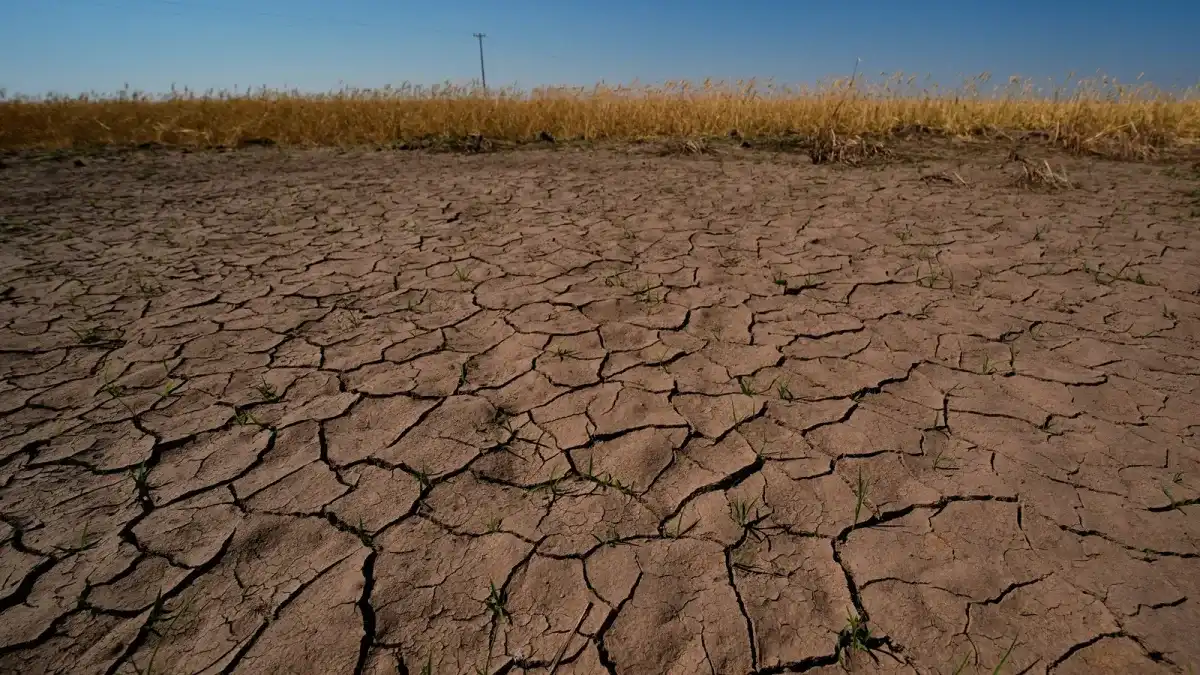
El Nino has developed faster than anticipated, adding to concerns over India’s monsoon after weather agencies signalled a weaker rainy season. What had been forecasts in May have now turned into reality, with the Pacific Ocean warming event officially declared and the India Meteorological Department (IMD) maintaining a below-normal monsoon outlook.

On June 11, the United States National Oceanic and Atmospheric Administration (NOAA) announced that El Nino had formed and issued an advisory projecting a 63 per cent probability of the phenomenon strengthening into a very strong event by the northern hemisphere winter. India’s weather office has adopted a more cautious stance, describing conditions as neutral but transitioning towards El Nino.

Global Ocean Heat Adds to El Nino Concerns

The latest El Nino event is emerging against the backdrop of exceptionally warm oceans. According to the European Union’s Copernicus Climate Change Service and NOAA, May 2026 was among the warmest months on record for global ocean temperatures, rivaling the record levels seen in 2024.

Scientists say the new warm phase is building on residual heat that had not fully dissipated from previous years, potentially amplifying its impact on weather patterns across the world.

Differences between the assessments of NOAA and the IMD stem largely from varying thresholds used to classify El Nino conditions rather than any disagreement over the overall trend.

IMD Cuts Monsoon Forecast

On May 29, the IMD revised its seasonal forecast and projected rainfall at 90 per cent of the long-period average, lower than the 92 per cent estimate issued in April. It also raised the probability of a deficient monsoon from 35 per cent to 60 per cent.

According to the weather department, there is an 84 per cent chance that the season could be below normal or worse. The monsoon core zone, which includes much of India’s rain-fed agricultural land, is expected to receive below-normal rainfall.

The southwest monsoon reached Kerala on June 4, three days later than usual but still within the normal range. However, rainfall performance weakened thereafter.

Rainfall Deficit Deepens Across Several Regions

Between June 1 and June 10, all-India rainfall stood 26 per cent below normal, according to IMD data. Extended-range forecasts indicated that rainfall remained subdued through June 15.

The deficit has been unevenly distributed, with central, western and southern parts of the country experiencing the most significant shortfalls. In contrast, several regions in eastern and north-eastern India recorded rainfall closer to normal levels.

Uneven rainfall distribution could have implications for sowing activity and water availability in key agricultural areas during the ongoing kharif season.

Indian Ocean Dipole Buffer Weakens

One of the factors that had initially offered hope for offsetting the effects of El Nino was the possibility of a positive Indian Ocean Dipole (IOD), which often helps bring additional moisture towards India.

In April, the IMD had forecast positive IOD conditions. However, in its June 11 outlook, the weather office downgraded expectations to neutral conditions, with only a weak positive phase likely later in the season.

The weaker outlook for the Indian Ocean Dipole has reduced the possibility of a strong counterbalance to El Nino, increasing uncertainty surrounding rainfall prospects.

Agriculture Ministry Begins Preparatory Measures

Concerns over the monsoon outlook have already prompted action from the Union Ministry of Agriculture and Farmers Welfare. According to a report by Down To Earth, the ministry has directed the Indian Council of Agricultural Research, state agricultural universities and departments to revise contingency plans ahead of the peak kharif season.

Revised strategies are expected to be submitted by June 20. Officials are assessing district-level factors including irrigation coverage, soil quality, cropping patterns and groundwater availability to identify areas most vulnerable to drought and agricultural stress.

Authorities are seeking to minimise the impact of a weak monsoon on crop production and rural livelihoods through targeted interventions.

Concerns Extend Beyond Agriculture

A below-normal monsoon could have wider consequences for food prices, rural incomes and overall economic activity. Reduced rainfall often affects agricultural output, leading to supply pressures and inflationary risks.

With El Nino now officially in place and early rainfall figures already showing deficits, policymakers face increasing pressure to manage the implications for the kharif season and food security.

While the full impact of the phenomenon will unfold over the coming months, attention is now shifting towards how India prepares its agricultural and economic systems before El Nino reaches its expected peak later this year.

Long or Short, get news the way you like. No ads. No redirections. Download Newspin and Stay Alert, The CSR Journal Mobile app, for fast, crisp, clean updates!

App Store –  https://apps.apple.com/in/app/newspin/id6746449540 

Google Play Store – https://play.google.com/store/apps/details?id=com.inventifweb.newspin&pcampaignid=web_share

Latest News

Popular Videos
