


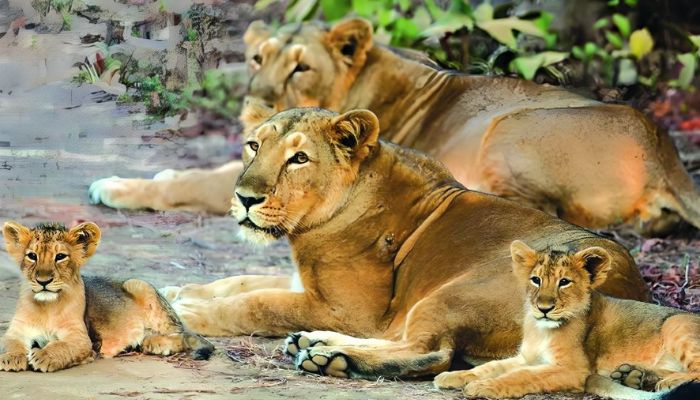

The recent deaths of eight Asiatic lion cubs in Gujarat were confirmed to be due to heat stresses rather than any infectious diseases, according to state Forest Minister Arjun Modhwadia. Addressing concerns over the wellbeing of the lions, Modhwadia stated that initial suspicions regarding a ‘Babesia’ infection were unfounded. The cubs succumbed to heat-related issues, particularly affecting those with low immunity.
Timely Intervention for Ailing Lions
In light of the situation, the state undertook immediate measures to safeguard the remaining lion population. Out of 17 lions that displayed illness and were quarantined as a precaution, 12 have successfully recuperated and were released back into their natural habitat. The remaining five are on track to be reintroduced shortly, as all have shown significant improvement in health.
Modhwadia reassured the public that there have been no recent reports of lion deaths linked to disease, unless regarding a lioness that succumbed to pregnancy complications. Earlier, the minister had stated that the health crisis involving the cubs could be contained through thorough isolation and monitoring of lions within a 10-kilometre radius of the affected areas.
The Gir sanctuary, which is the last natural habitat for Asiatic lions, has seen proactive measures to keep the environment safe. This included a major deworming and deticking campaign, targeting approximately 600 lions in the vicinity, a necessary step given the past concerns regarding pathogens.
Monitoring and Preventive Measures Enhanced
Authorities have implemented stringent monitoring protocols following the deaths of the cubs. Extensive testing was conducted at the Gujarat Biotechnology Research Centre, where samples from the deceased lions were analysed. The community remains vigilant, given the history of viral outbreaks; in 2018, a combination of Canine Distemper Virus and Protozoan infections claimed the lives of 11 lions in a short span.
The government has continuously emphasised the necessity of remaining aware of potential health threats in wildlife. Despite the recent deaths, officials have reiterated that no alarming viruses have been detected, allowing for a sense of relief among local residents and animal welfare advocates. Early reports had attributed illness to Babesia, a parasite believed to spread through ticks, which has led to increased vigilance in monitoring lion health.
As the only stronghold of Asiatic lions, the Gir forest landscape is vital to their conservation. The entire wild population is concentrated in this region, making ongoing health checks and preventive strategies crucial for their survival. Experts agree that protecting this unique environment is paramount for the continued existence of these magnificent creatures.
Community Response and Future Outlook
Local communities have responded positively to the news regarding the improvement in lion health. The announcements from the government have reassured residents who had grown concerned about the well-being of the animals they consider a symbol of their heritage. Wildlife enthusiasts and conservationists are observing the outcomes of these health interventions closely, as the welfare of the lions affects broader ecological health.
Moving forward, authorities are poised to enhance their preventive measures. Continuous health checks and robust community awareness are set to play a pivotal role in maintaining the health of Gujarat’s lion population. As the focus shifts towards minimising heat-related impacts, the collaboration between wildlife officials and local communities will be key to sustaining lion conservation efforts.
In conclusion, while the recent deaths of the eight cubs have raised alarms, the swift action taken by the state government demonstrates its commitment to safeguarding this endangered species. The successful recovery of the lions under isolation shows the resilience of these animals and the effectiveness of timely interventions.
asiatic-lion-cubs-die-from-heat-not-infection