


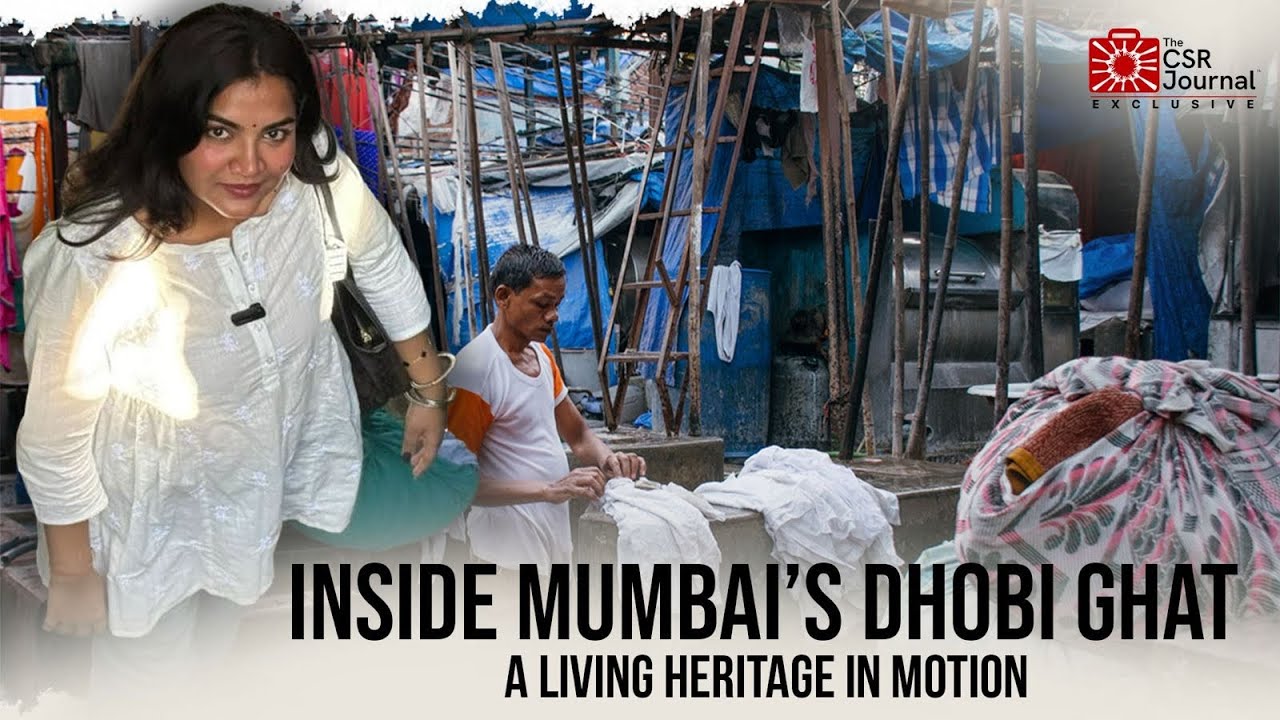

Dhobi Ghat: Mumbai’s Biggest Open-Air Laundry That Never Sleeps

The CSR Journal Magazine

In the heart of Mumbai lies Dhobi Ghat, a place that perfectly reflects the city’s relentless pace and unmatched work ethic. Often called the world’s largest open-air laundry, it is far more than just a washing site, it is a powerful symbol of tradition, survival, and community. Every day, hundreds of workers come together here to perform a task that keeps the city functioning smoothly behind the scenes.

Situated close to Mahalaxmi Railway Station, Dhobi Ghat has evolved into both a crucial service hub and a fascinating landmark. It offers a rare glimpse into a side of Mumbai that thrives on discipline, coordination, and sheer human effort.

A Legacy Rooted in History

Dhobi Ghat traces its origins back to 1890, during the British colonial era, when it was established to meet the growing laundry needs of a rapidly expanding city. Over time, it became an organized space where traditional washermen, known as dhobis, could work efficiently at scale.

Generations of families have continued this profession, passing down techniques and responsibilities from one generation to the next. This continuity has turned Dhobi Ghat into more than just a workplace; it is a living heritage site where history and livelihood are deeply intertwined.

How the System Works

At first glance, the ghat may seem chaotic, with rows of concrete pens, endless clotheslines, and workers moving in every direction. However, beneath this apparent disorder lies a remarkably efficient and structured system.

Each dhobi operates within a designated washing pen. Clothes are carefully sorted, washed, dried, and returned using coded markings that ensure accuracy. Despite handling thousands of garments daily, the system runs with surprising precision. The physical effort involved is immense, but the coordination among workers keeps the entire operation running smoothly.

A Day in the Life of a Dhobi

Work at Dhobi Ghat begins early in the morning, often before sunrise. Workers spend long hours washing, rinsing, and drying clothes under the open sky. The repetitive sound of clothes being beaten against stones creates a rhythm that defines the space.

The job is physically demanding, yet it reflects the resilience and dedication of Mumbai’s working class. For many dhobis, this is not just a source of income but a matter of pride. Their work supports essential services across the city, making them an invisible yet vital part of Mumbai’s daily life.

Blending Tradition with Modernity

While Dhobi Ghat is deeply rooted in tradition, it has not remained untouched by modernization. In recent years, some workers have incorporated machines and improved techniques to handle bulk orders and meet growing demands.

Despite these changes, the core methods remain largely traditional. This balance between old and new allows Dhobi Ghat to stay relevant in a rapidly modernizing city while preserving its cultural identity.

A Unique Tourist Attraction

Today, Dhobi Ghat is not only a workplace but also a major attraction. Visitors from around the world come to witness its scale and organization. From designated viewing points, one can observe the synchronized activity of hundreds of workers and the striking visual patterns created by rows of drying clothes.

It offers an authentic experience of Mumbai, raw, energetic, and deeply human, making it a favorite spot for photographers and storytellers.

Challenges Faced by the Community

Despite its importance and recognition, the Dhobi Ghat community faces several ongoing challenges. Urban redevelopment pressures threaten its existence, while limited infrastructure and health risks continue to affect workers.

Exposure to water, detergents, and long working hours can take a toll on health. Additionally, competition from modern laundry services poses a challenge to this traditional system. Although efforts have been made to improve conditions, many issues still require attention.

Cultural and Economic Importance

Dhobi Ghat plays a crucial role in Mumbai’s economy by serving hotels, hospitals, restaurants, and households. It supports hundreds of families and keeps a traditional occupation alive in a modern urban setting.

Beyond its economic value, it represents the dignity of labor and the importance of community-driven systems. It stands as a reminder that even in a fast-paced metropolis, traditional practices continue to hold significance.

More Than Just a Laundry

Dhobi Ghat is more than just a place where clothes are washed, it is a symbol of Mumbai’s endurance, spirit, and cultural depth. It showcases how tradition and hard work can coexist with modern demands, creating something truly unique.

In a city constantly moving forward, Dhobi Ghat remains a powerful reminder of the people and practices that quietly keep it running every single day.

Latest News

Popular Videos