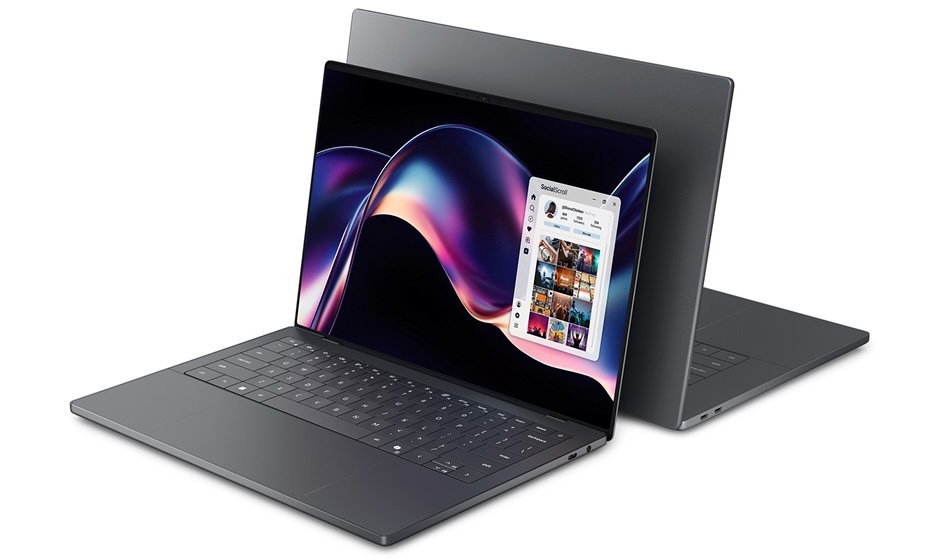
The introduction of the XPS 13 marks the return of Dell’s premium laptop brand, which had been briefly retired in 2025. This new iteration aims to provide an affordable yet high-quality alternative to Apple’s newly launched MacBook Neo, priced at Rs 69,900. Apple’s entry into the market specifically targets students and younger consumers who have typically chosen Windows laptops or Chromebooks, prompting Dell to counter with a competitive offering.
The XPS 13 has historically been a flagship model for Dell, maintaining its status as a leading ultraportable laptop for over a decade. The updated model features a slim profile, measuring just 12.7mm in thickness and weighing approximately 997 grams. These specifications place it among the lightest laptops available in its category, further enhancing its appeal for on-the-go users.
Tapping into the same demographic as Apple, Dell has priced the new XPS 13 starting at $700 (approximately Rs 67,900), with an even lower price point of $600 available for students in the United States. However, Dell has yet to confirm pricing for the Indian market, leaving consumers eager for further announcements.
Enhanced Features at Competitive Pricing
Despite the lower pricing structure, Dell insists that the new XPS 13 does not compromise on premium features. The laptop comes equipped with a CNC-machined aluminium chassis and a 2.5K IPS display. Additionally, the system houses quad speakers and provides connectivity through Wi-Fi. The base model includes 8GB of RAM and 256GB of storage, further positioning it as a well-rounded option for users.
A notable distinction is the inclusion of a touchscreen display with a 120Hz refresh rate, which surpasses the 60Hz capability of Apple’s MacBook Neo. The XPS 13 also boasts 100 per cent DCI-P3 colour coverage and a fully backlit keyboard. Furthermore, it incorporates a built-in webcam compatible with Windows Hello facial recognition, ensuring ease of use for security and personalisation.
In an effort to enhance user experience, Dell has designed the display to adjust its refresh rate, allowing it to operate at 120Hz for smoother visuals or drop to 30Hz to conserve battery life. This feature showcases a focus on efficiency without sacrificing performance, which may give Dell an edge in specific user scenarios.
Dell’s Strategy Beyond Price Competition
While some compromises exist—such as the limited connectivity options with only two USB-C ports—the focus remains on delivering a strong overall package rather than solely competing on price. Dell’s Chief Operating Officer, Jeff Clarke, emphasised in a statement to journalists that their objective is not to “win the pricing war.” Instead, the aim is to provide a comprehensive product that meets a variety of consumer needs.
In contrast, Apple’s MacBook Neo benefits from its fanless design, which enhances its portability and efficiency. Dell’s reliance on a dual-fan cooling system may not match this aspect of Apple’s product; however, the company continues to focus on delivering a premium experience at a more accessible cost.
The launch of Dell’s XPS 13 signifies the company’s strategy to reclaim its space in a crowded marketplace while offering features that resonate with a younger, tech-savvy audience. As competition intensifies, both companies will likely continue to innovate and refine their offerings to capture consumer interest in this evolving landscape.
Long or Short, get news the way you like. No ads. No redirections. Download Newspin and Stay Alert, The CSR Journal Mobile app, for fast, crisp, clean updates!