


Delhi Court Grants Umar Khalid Two Weekly Video Calls With Family
The CSR Journal Magazine

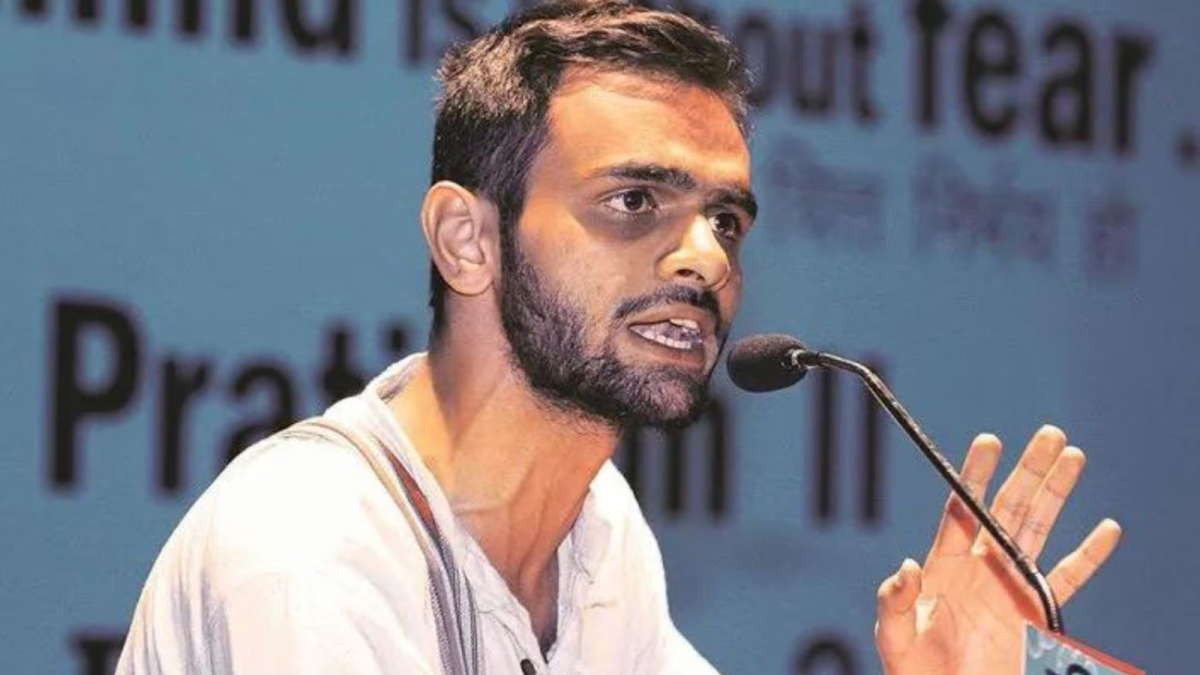
A Delhi court has permitted activist Umar Khalid to engage in two video calls with his family each week. This decision follows a motion filed by his legal representatives, who indicated that the number of permitted calls was reduced to one starting in May 2026 without justification. The court highlighted that Khalid had availed himself of this communication facility for the past six years without infringing any prison regulations.

The ruling was issued by Additional Sessions Judge Sameer Bajpai, allowing Khalid to utilise two e-mulakats—virtual meetings—to communicate with his mother and other family members. In the court’s directive dated July 13, it was stated that Khalid is granted this arrangement because of his compliant behaviour throughout his incarceration.

During the proceedings, Khalid’s counsel asserted that prior to the reduction, he had consistently been allowed two weekly video calls. The abrupt change in policies by the jail authorities was brought to light, as it occurred without any stated rationale despite Khalid’s adherence to all applicable jail rules.

Opposition from Jail Authorities

Jail officials contested Khalid’s application, arguing that under current prison rules, he was entitled to only one video call per week. Despite this opposition, the court maintained that Khalid’s long-standing compliance with the Delhi Prison Rules justified the reinstatement of the original arrangement allowing two calls per week.

The court emphasised that Khalid’s consistent rules compliance over six years should take precedence in determining his access to family communication. The judge clarified that maintaining such ties is essential, particularly during Khalid’s ongoing legal difficulties.

Moreover, the case surrounding Khalid has drawn significant public attention due to its ties to larger socio-political issues in India, particularly the events surrounding the 2020 riots in Delhi. Khalid, alongside others, faces severe charges, including those under the Unlawful Activities (Prevention) Act (UAPA) and the Indian Penal Code (IPC).

Background of the Larger Conspiracy Case

The context of Khalid’s pre-trial detention revolves around allegations that he was one of the primary figures orchestrating the riots that erupted in northeast Delhi in February 2020. These incidents were reportedly catalysed by widespread protests against the Citizenship (Amendment) Act and plans for the National Register of Citizens. The riots resulted in the deaths of 53 individuals and left over 700 others injured.

Khalid’s association with the riots positions him in a complex legal scenario where he contends with accusations of inciting violence through organized protests. The unfolding developments in the court surrounding his communication privileges have become focal points in public discourse about civil rights and governmental accountability.

The court’s recent ruling to restore Khalid’s former arrangement for family communication is viewed as a crucial aspect of his rights while he awaits trial. The ongoing case continues to amplify discussions about the balance between national security and individual freedoms, particularly for those accused under stringent laws like the UAPA.

Long or Short, get news the way you like. No ads. No redirections. Download Newspin and Stay Alert, The CSR Journal Mobile app, for fast, crisp, clean updates!

App Store –  https://apps.apple.com/in/app/newspin/id6746449540 

Google Play Store – https://play.google.com/store/apps/details?id=com.inventifweb.newspin&pcampaignid=web_share

Latest News

Popular Videos
