



China’s Daofu Hydropower Project Sparks Environmental and Geopolitical Concerns

The CSR Journal Magazine

China is making significant strides in clean energy initiatives with the development of the Daofu Pumped Storage Hydropower Plant located in Daofu County, Tibet. This facility, often referred to as a “mountain-sized battery,” is designed to not only generate electricity but also to store renewable energy on an unprecedented scale. The project targets one of the major challenges of the global energy transition: effective energy storage.

Construction commenced in early 2024, leveraging the region’s mountainous landscape to establish a large-scale pumped-storage hydropower system. Once operational, the Daofu facility is projected to store up to 12.6 million kilowatt-hours (kWh) of electricity daily, sufficient to power approximately 2 million households. This initiative is a vital part of China’s broader agenda to reduce its reliance on fossil fuels while bolstering its renewable energy framework.

The Importance of Energy Storage

China currently occupies a leading position in global renewable energy investments, although it remains the largest consumer of coal. Over the past decade, there has been substantial growth in solar, wind, and hydropower generation. Recognising that energy storage is critical for a reliable clean energy system, the Daofu project aims to address this gap. Renewable energy sources like solar and wind are heavily influenced by weather conditions, making efficient energy storage essential for maintaining a consistent electricity supply.

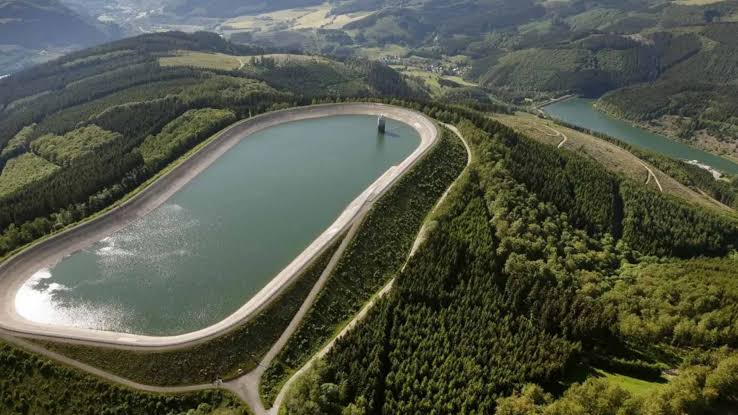
The technology employed in the Daofu project is called pumped-storage hydropower, sometimes referred to as a “water battery.” This system operates using two reservoirs at varying elevations. During times of high electricity demand, water from the upper reservoir is released through tunnels spanning nearly 12 miles, driving turbines to generate power before being transferred to the lower reservoir.

Conversely, during periods when electricity demand decreases or renewable energy production surpasses consumption, excess electricity from solar panels and wind farms is utilised to pump water back to the upper reservoir, thereby storing energy for later use. This capability allows the facility to operate as a massive rechargeable battery, ensuring a steady supply of clean electricity even when solar or wind levels fall.

Environmental and Geopolitical Concerns

Despite its technological advancements, the Daofu project has drawn significant scrutiny regarding environmental and geopolitical implications. Located in politically sensitive Tibet, concerns have been raised about potential impacts on human rights, cultural preservation, and environmental sustainability. Critics indicate that large-scale infrastructure developments in the area have previously displaced local communities and adversely affected fragile ecosystems.

Another noteworthy concern involves the Brahmaputra River, which originates in Tibet before flowing into India and Bangladesh. Analysts worry that increased control by China over upstream water resources could affect water availability downstream. Indian policymakers have expressed fears that forthcoming water regulations might impact agricultural activities, drinking water sources, and flood management strategies in neighbouring countries, raising significant regional water security issues.

Environmental experts have also pointed out geological risks associated with the project, as it is situated near a tectonic plate boundary. This proximity raises concerns about the likelihood of earthquakes, landslides, and soil erosion. While Chinese authorities assert that comprehensive safety evaluations have been conducted and that the project is environmentally sound, independent experts continue to advocate for vigilant monitoring as construction proceeds.

Conclusion: Future Implications of the Daofu Project

The Daofu Pumped Storage Hydropower Plant represents both the potential for significant advancements in renewable energy storage and the complex challenges that accompany such large-scale initiatives. While the project could play a pivotal role in revolutionising clean energy infrastructure and aiding China’s long-term carbon reduction efforts, it also necessitates careful consideration of environmental sustainability, regional water security, and responsible infrastructure development.

As countries around the globe accelerate their transition to renewable energy, projects like Daofu illustrate that building future energy systems will require not only innovative technology but also rigorous attention to environmental, social, and geopolitical factors.

Long or Short, get news the way you like. No ads. No redirections. Download Newspin and Stay Alert, The CSR Journal Mobile app, for fast, crisp, clean updates!

App Store –  https://apps.apple.com/in/app/newspin/id6746449540 

Google Play Store – https://play.google.com/store/apps/details?id=com.inventifweb.newspin&pcampaignid=web_share

Latest News

Popular Videos