


China Launches Digital ID System for Humanoid Robots Amid Tech Push
The CSR Journal Magazine

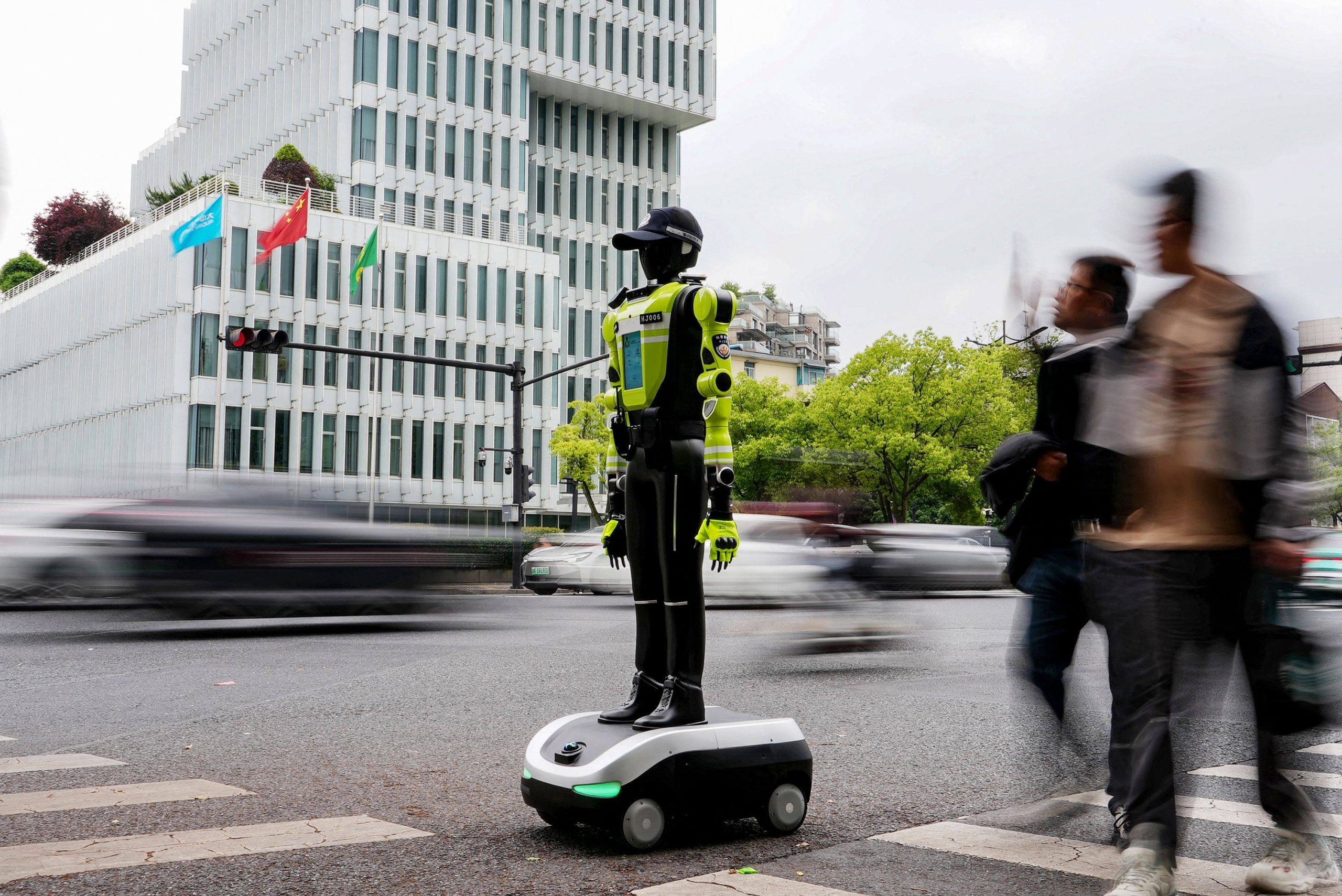
China has introduced a national digital identity system aimed at humanoid robots, marking a significant development in the management of AI-powered machines. This new initiative assigns a unique identification code to each robot, akin to how identification cards function for humans. The system is intended to enhance oversight and traceability within the expanding field of humanoid robotics.

The program, known as the Humanoid Full Lifecycle Management Service Platform, allows for a comprehensive tracking mechanism for robots from their inception at manufacturing facilities through various stages of their lifecycle including maintenance and eventual recycling. By assigning a unique 29-digit identification number, the initiative aims to ensure that each robot can be monitored at every stage of its existence.

Functionality and Structure of the Identification Code

The identification number is comprised of four distinct segments: a two-digit country code, a four-digit manufacturer code, a six-digit model code, and a unique 17-digit serial number. This structured approach will provide humanoid robots with a distinct digital identity, allowing for effective tracking across various industries and applications.

Authorities, manufacturers, and users will benefit from the traceability system established by this initiative. It will log critical information regarding each robot including its origin, model specifications, deployment location, maintenance history, and final disposal. Officials state that this comprehensive record-keeping will facilitate monitoring for safety hazards and streamline the process of accountability in instances of malfunctions or defects.

The initiative is overseen by China’s Ministry of Industry and Information Technology through its Humanoid Robotics and Embodied Intelligence Standardization Committee. This professional oversight aims to standardise protocols within the rapidly growing humanoid robotics sector.

Impact on the Robotics Industry and Compliance Requirements

The introduction of the digital ID system extends to various stakeholders in the humanoid robotics ecosystem, including manufacturers, service providers, and recycling companies. According to reports, the framework addresses significant challenges related to safety, governance, and accountability while promoting the broader adoption of humanoid robots across multiple sectors.

In tandem with the tracking system, new regulations have been instituted for manufacturers. A notable stipulation is the ‘no code, no market access’ policy, which dictates that any humanoid robot must be registered in the system prior to being sold or deployed within China. Additionally, companies will be mandated to issue recalls for any common defects discovered post-market entry.

Reports indicate that the framework is gaining traction across the industry, with more than 100 Chinese humanoid robot manufacturers already integrated into the platform. Additionally, over 28,000 robots across 200 different models have been assigned digital identities, illustrating the rapid implementation and widespread acceptance of the initiative.

Long or Short, get news the way you like. No ads. No redirections. Download Newspin and Stay Alert, The CSR Journal Mobile app, for fast, crisp, clean updates!

App Store –  https://apps.apple.com/in/app/newspin/id6746449540 

Google Play Store – https://play.google.com/store/apps/details?id=com.inventifweb.newspin&pcampaignid=web_share

Latest News

Popular Videos
