


Centre’s Haj Reform Sees Over 5,000 Women Pilgrims Without Mehram
The CSR Journal Magazine

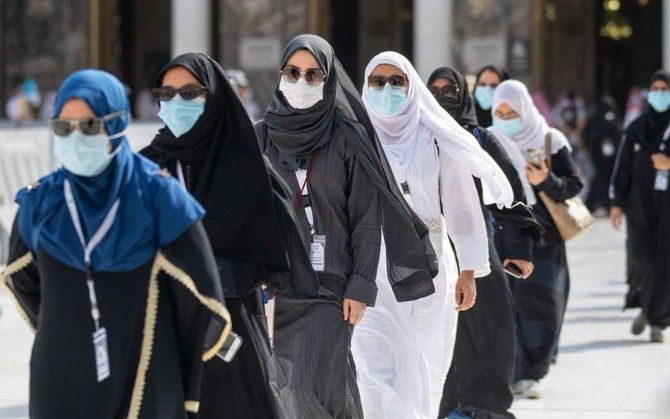
The recent announcement that 5,446 women will undertake the Haj pilgrimage without a mehram marks a significant development since the alterations to the relevant policy. The Indian Government had previously mandated that Muslim women must be accompanied by a male guardian, or mehram, to perform the pilgrimage. This requirement led to numerous women facing barriers in participating in this important religious obligation.

In 2021, the Ministry of Minority Affairs revised the regulations governing the Haj pilgrimage, allowing women over the age of 45 to travel without a mehram. This amendment aimed to increase the participation of women in religious practices, reflecting a broader commitment to gender inclusivity within the community.

The shift in policy has been largely welcomed by many who advocate for women’s rights, allowing a larger cohort of women to fulfil their spiritual traditions without impediment. Since the changes took effect, there has been a notable increase in the number of female pilgrims planning to make the journey.

Details of the Upcoming Haj Pilgrimage

The Haj pilgrimage for the year 2023 is scheduled to commence in June, and preparations are currently underway. Among the 5,446 women undertaking this journey, a significant proportion will be travelling from various states across India, remaining an integral part of the total quota allocated to the country for the pilgrimage. According to reports, the Indian government has ensured that provisions are in place for the safe travel and accommodation of all pilgrims.

These women will travel in groups, underscoring a communal approach to the pilgrimage experience. The Ministry of Minority Affairs has stated that the arrangement prioritises the safety and welfare of these pilgrims, with additional support mechanisms established to facilitate a smooth journey to the holy sites.

Officials have also indicated that special provisions will be made for the elderly and women travelling alone, reinforcing a commitment to accessibility and support throughout the pilgrimage. A dedicated hotline and assistance teams will be available to address any concerns and ensure that all participants have the necessary resources throughout their journey.

Community Responses and Future Implications

The decision to allow women to perform Haj without a mehram has ignited discussions within various community circles. Women’s groups are particularly vocal, expressing optimism about the increased opportunities for women to engage in their faith. Many believe that this decision can help foster a sense of empowerment and independence among female pilgrims.

Community leaders have acknowledged that while there is still work to be done in terms of fully realising gender equality in religious practices, this step represents important progress. The hope is that such changes will encourage further reforms and facilitate greater female participation in other aspects of religious and community life.

As the preparations for the Haj proceed, the increased numbers of women participating without a mehram may lead to further policy evaluations in the coming years. Observers are keen to see how this policy adjustment will influence future religious gatherings and the roles that women may assume within their communities.

Long or Short, get news the way you like. No ads. No redirections. Download Newspin and Stay Alert, The CSR Journal Mobile app, for fast, crisp, clean updates!

App Store –  https://apps.apple.com/in/app/newspin/id6746449540 

Google Play Store – https://play.google.com/store/apps/details?id=com.inventifweb.newspin&pcampaignid=web_share

Latest News

Popular Videos
