


Centre Faces Opposition from Tamil Nadu Assembly Over FCRA Bill and NEET
The CSR Journal Magazine

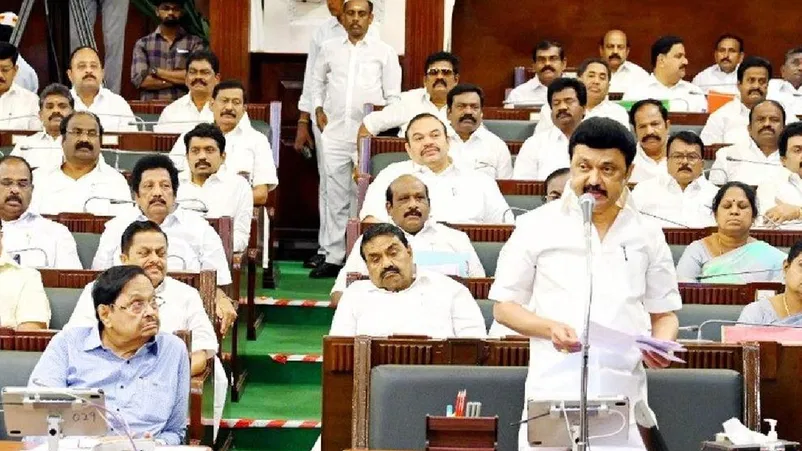
The Tamil Nadu Legislative Assembly has unanimously expressed its opposition to two significant issues facing the state. On August 11, 2026, the Assembly adopted resolutions condemning the proposed Foreign Contribution (Regulation) Amendment Bill, 2026, and calling for the abolishment of the National Eligibility-cum-Entrance Test (NEET) for medical admissions. The bipartisan approach highlights a unified stance on matters impacting the state’s interests.

Both resolutions signify a collective commitment to safeguarding state rights, promoting social justice, and enhancing access to education. The Assembly’s decision showcases a rare moment where ruling and opposition parties converge on critical local concerns. The message directed at the Centre clearly asserts Tamil Nadu’s autonomy regarding the educational landscape and financial regulations.

Concerns Raised Over the FCRA Amendment Bill

The resolution regarding the FCRA Bill was introduced by Tamil Nadu Minister Rajmohan, who articulated apprehensions about the new measures’ implications for educational and healthcare institutions receiving foreign aid. He stated that the amendments could adversely affect charitable organisations and urged the Union government to engage in broader consultations with stakeholders.

Minister Rajmohan emphasised the importance of maintaining regulatory principles aligned with constitutional mandates. He highlighted existing concerns that include potential asset confiscation of institutions facing FCRA registration issues. The Minister affirmed that while the state supports national security initiatives, it is crucial that these regulations do not compromise the operations of legitimate organisations.

The resolution calls for the proposed amendments to be reviewed and revised to better balance national security with the operational rights of charitable and educational entities. Tamil Nadu has voiced the necessity for transparency, accountability, and a regulatory framework that respects the legitimate expectations of these institutions.

Opposition to NEET Continues Amid Political Consensus

The second resolution, addressing NEET, was introduced by Health Minister K Arunraj, who argued that the examination undermines social justice and equality. He asserted that the test disadvantageously impacts students from rural and economically weaker backgrounds, particularly those educated in Tamil-medium schools, due to financial barriers linked to private coaching.

The Assembly’s decision garnered support from various political factions, including the DMK, AIADMK, and Congress, highlighting a rare consensus on this contentious issue. Minister Arunraj proposed that admissions should be based on Class 12 exam performance, which he argued would provide a fairer assessment and reduce the pressure on students.

However, the BJP’s sole representative in the Assembly, M Bhojarajan, opposed the resolution, claiming that NEET enables equal opportunities for students. He argued for emphasis on improving coaching facilities rather than abolishing the examination. BJP leaders contend that NEET has enhanced the number of students from government schools securing medical placements, suggesting that a focus on systemic improvements would yield better results.

Implications for Centre-State Relations

The simultaneous resolutions reflect ongoing tensions in the Centre-state relationship, particularly regarding educational policies and the regulation of charitable organisations. As Tamil Nadu’s government pushes for greater autonomy in determining its educational frameworks, the Centre maintains its stance on national standards and regulatory oversight.

While the Assembly’s resolutions underline a shared political will within Tamil Nadu, they also call for a wider dialogue with the Union government. The Assembly insists on safeguarding local interests while addressing national security and accountability. The insistence on consultations indicates a growing demand for federalism that acknowledges the specific needs of individual states.

The developments around the FCRA amendment and NEET underscore the broader political discourse within Tamil Nadu, where local governance and public welfare remain central themes. The Assembly’s actions highlight the importance of accommodating the state’s unique challenges while maintaining effective governance and policy implementation at the national level.

Long or Short, get news the way you like. No ads. No redirections. Download Newspin and Stay Alert, The CSR Journal Mobile app, for fast, crisp, clean updates!

App Store –  https://apps.apple.com/in/app/newspin/id6746449540 

Google Play Store – https://play.google.com/store/apps/details?id=com.inventifweb.newspin&pcampaignid=web_share

Latest News

Popular Videos
