


Centre Confirms No Evidence of Engine Damage Linked to E20 Petrol
The CSR Journal Magazine

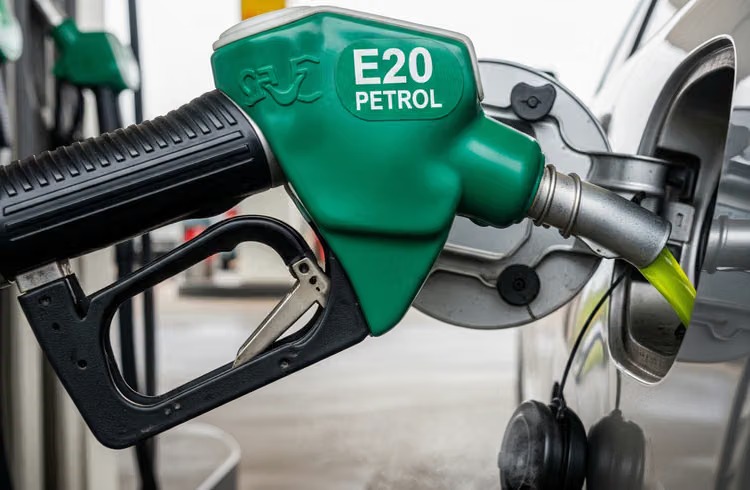
The Indian government has communicated to Parliament that there is no substantiated evidence indicating that the introduction of E20 petrol has led to engine damage or decreased mileage in vehicles. This statement was made during a session that focused on fuel quality and its impact on automobile performance.

Officials outlined that extensive evaluations had been conducted to assess the effects of E20, which consists of 20 per cent ethanol mixed with petrol. They reportedly concluded that existing data does not support claims suggesting adverse impacts on vehicle engines.

This official position seeks to address concerns raised by various stakeholders, including automobile manufacturers and consumer advocacy groups. The government aims to reassure the public that the transition to E20 will not compromise vehicle reliability or efficiency.

Context of E20 Implementation

The initiative to incorporate E20 petrol into the market is part of India’s broader strategy to promote renewable energy sources and reduce reliance on fossil fuels. Ethanol, derived largely from sugarcane, is seen as a more sustainable alternative that can help lower greenhouse gas emissions.

As India strives to meet escalating fuel demands amid environmental challenges, the adoption of E20 is expected to play a fundamental role in the country’s energy policies. However, transition phases often come with uncertainties, necessitating clarity on their implications for consumers.

In response to these uncertainties, the government has been working closely with automotive industry experts to ensure that vehicles on the road can adapt to new fuel standards without adverse effects. The Ministry of Petroleum and Natural Gas has insisted that stakeholders will receive necessary guidance as the nation moves forward with this initiative.

Public Reactions and Concerns

Following the government’s announcement, various consumer groups have expressed mixed reactions. While some welcome the transition to more sustainable fuels, others remain cautious about potential long-term implications on engine health and vehicle performance.

Many vehicle owners have raised queries regarding the compatibility of their cars with E20 petrol, particularly older models. Reports indicate a growing demand for detailed information from manufacturers about the impacts of the new fuel grade.

The government has indicated that it will continue monitoring the situation closely, committing to transparent communication with the public as further studies are conducted. Officials reassured citizens that customer safety and satisfaction remain high priorities as the implementation progresses.

Future Studies and Regulations Anticipated

As part of ongoing assessments, the government plans to initiate further studies aimed at more comprehensively reviewing the effects of E20 on various types of vehicles. These initiatives are expected to provide additional data that can either reinforce or challenge current findings.

Industry experts anticipate that these studies will play a crucial role in shaping future regulations surrounding fuel standards in India. There is an emphasis on delivering safe, reliable fuel while simultaneously addressing environmental concerns.

In summary, while the government assures consumers that current evidence does not indicate engine problems due to E20, it acknowledges the necessity for continual research and dialogue with the automotive industry and the public. The upcoming months will likely see increased scrutiny as India navigates its path towards a more sustainable fuel landscape.

Long or Short, get news the way you like. No ads. No redirections. Download Newspin and Stay Alert, The CSR Journal Mobile app, for fast, crisp, clean updates!

App Store –  https://apps.apple.com/in/app/newspin/id6746449540 

Google Play Store – https://play.google.com/store/apps/details?id=com.inventifweb.newspin&pcampaignid=web_share

Latest News

Popular Videos
