


Balen Shah Faces Protests As Gen Z Activism Erupts in Nepal
The CSR Journal Magazine

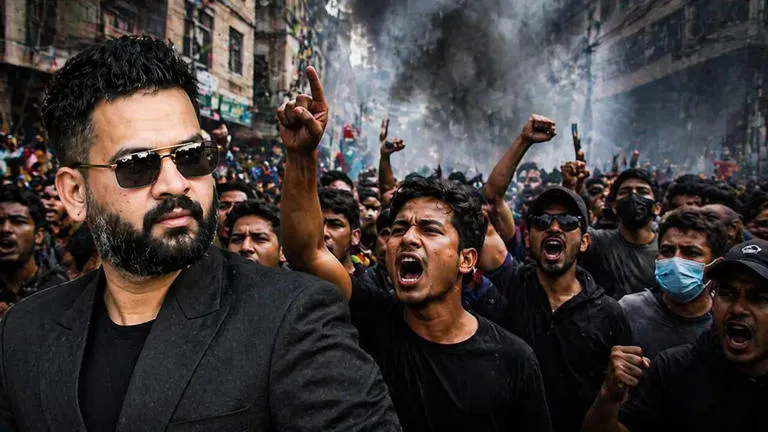
The recent protests in Nepal are a direct response to the death of Ganesh Nepali, a ride-sharing driver who self-immolated after a confrontation with local police. This incident has drawn widespread outrage, particularly from young activists who previously supported Prime Minister Balen Shah’s rise to power. Demonstrations took place across the country, with many calling for Shah to resign.

The situation escalated following the tragic event on Thursday, where Ganesh Nepali reportedly set himself on fire outside the Department of Passports in Kathmandu. He succumbed to his injuries the following day, triggering demonstrations concentrated primarily in the capital city. Protesters demanded justice, holding the government accountable for the systemic issues they believe contributed to his death.

This is not an isolated incident, as the ongoing frustrations with local governance and enforcement practices have built up over time. Protesters have expressed that regulatory failures and unduly harsh penalties for minor infractions push individuals to their limits, culminating in tragic actions.

Response from Opposition and Protesters

In Parliament, opposition leaders launched a fierce critique of the government, demanding accountability and questioning its inaction during the crisis. MP Basana Thapa highlighted the government’s failure to act responsibly, questioning why emergency services were not called promptly for Ganesh Nepali. This sentiment was echoed by other lawmakers who accused the government of neglecting its duty to protect its citizens.

Demonstrations in Kathmandu saw significant participation from Gen Z activists, ride-sharing drivers, and residents from Ganesh Nepali’s home district. They gathered at prominent locations and attempted to march to key sites associated with the tragedy, including Bir Hospital. During these protests, they raised slogans critical of the government, demanding immediate reforms and accountability.

The protesters described the incident as indicative of broader systemic issues, including inadequate law enforcement practices and a lack of legal protections for ride-share drivers. They are advocating for an independent inquiry into Ganesh Nepali’s death, alongside legal action against the officers involved in the incident.

Government’s Reaction and Continued Protests

Following the unrest, the Nepalese government announced investigations into the circumstances surrounding Ganesh Nepali’s death. Home Minister Sudan Gurung declared a five-member probe committee aimed at examining the enforcement actions leading up to the incident. This step reflects an attempt to address public concerns and restore confidence in the government’s accountability mechanisms.

In the aftermath, police took three municipal officers into custody, who were involved in the events preceding the self-immolation. The Home Minister shifted the blame primarily to local authorities, stressing that the national government does not control local police. This division of responsibility has further intensified scrutiny of governance at multiple levels.

Despite the political turmoil, Prime Minister Balen Shah has not publicly addressed the protests or the associated calls for his resignation. His silence is notable, given his previous reliance on the Gen Z movement that facilitated his ascent to power. The current unrest represents a stark reversal of fortune for Shah, as former supporters now view him as part of the problem.

Long or Short, get news the way you like. No ads. No redirections. Download Newspin and Stay Alert, The CSR Journal Mobile app, for fast, crisp, clean updates!

App Store –  https://apps.apple.com/in/app/newspin/id6746449540 

Google Play Store – https://play.google.com/store/apps/details?id=com.inventifweb.newspin&pcampaignid=web_share

Latest News

Popular Videos
