


Assam Floods Witness Improvement in Golaghat but Families Remain Displaced
The CSR Journal Magazine

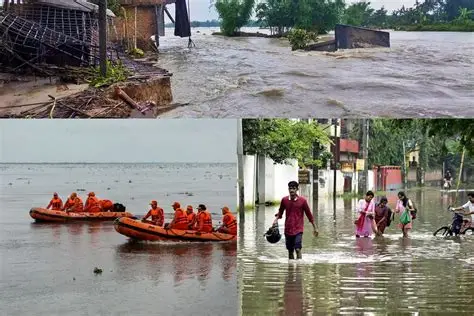
The flood situation in Golaghat district, Assam, has reportedly improved, yet a significant number of families continue to be displaced as floodwaters linger in low-lying areas. As of August 3, 2026, locals in various villages, particularly those under the Komarbandha Gram Panchayat, are facing ongoing challenges caused by the flooding. Villages such as Kuliapani, Kapuhating, Na-Pamua, Rajnakhat, Kharjan, Mahatgaon, and Kumargaon remain heavily affected, with many residents unable to return home.

Relief distribution efforts are ongoing in these villages, with officials highlighting the pressing need for long-term solutions to mitigate recurring flooding. The persistent presence of floodwaters underscores the inadequacy of the current water flow systems in the region, leading residents to call for improved drainage infrastructure.

Community Concerns and Demands

Siddhartha Bora, who assisted in the relief distribution, has observed the cyclical nature of flooding in the area. He noted that the lack of an effective drainage system contributes to the annual inundations that greatly disrupt the lives of the locals. During his visit, Bora urged the local administration to develop a more robust water management strategy. “If an alternative, more coherent drainage system could be developed, it would significantly alleviate the flooding issues we face,” he stated.

Residents have echoed these concerns, explaining how their geographical landscape combined with inadequate drainage outlets results in prolonged waterlogging during heavy rainfall, especially when adjacent Nagaland receives excessive precipitation. Dhurbo Das, a local resident, articulated the technical difficulties, asserting, “There is no outlet for the water to drain out effectively. If we could efficiently redirect the water into the Dhansiri River, we would not experience such severe flooding.” His remarks highlight the urgent need for investment in infrastructure.

Das further indicated that a diversion channel is necessary to facilitate the swift drainage of water, emphasising that this infrastructure improvement could prevent future disaster scenarios.

Impact on Community and Agriculture

The flooding is reported to have affected 1,36,203 individuals and damaged approximately 15,422 hectares of agricultural land, leading to significant consequences for local farming activities. The impact on agriculture remains a critical issue, as it threatens the livelihoods of those dependent on these lands for sustenance.

The human cost of the flooding has also been significant, with three fatalities reported in the neighbouring Sivasagar district, and two individuals remain unaccounted for. Reports indicate that no urban flood districts are currently experiencing adverse conditions as part of this ongoing flood situation. As authorities continue to monitor the developments, relief measures are being implemented across affected locales to support those impacted by the disaster.

In response to the situation, Assam Minister Pijush Hazarika has conducted visits to the flood-affected Demow and Nazira Legislative Assembly Constituencies within Sivasagar district. His aim is to evaluate the relief and rehabilitation efforts being orchestrated by the district administration, ensuring that effective measures are in place to assist the displaced population.

Long or Short, get news the way you like. No ads. No redirections. Download Newspin and Stay Alert, The CSR Journal Mobile app, for fast, crisp, clean updates!

App Store –  https://apps.apple.com/in/app/newspin/id6746449540 

Google Play Store – https://play.google.com/store/apps/details?id=com.inventifweb.newspin&pcampaignid=web_share

Latest News

Popular Videos
