


Amit Shah Mandates 20-day Review Cycles for Comprehensive Yamuna Cleanup
The CSR Journal Magazine

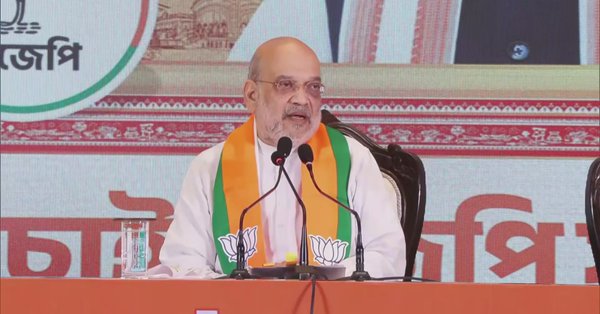
The Union Home Minister, Amit Shah, emphasised the necessity for strict 20-day review cycles as part of the government’s initiative to clean the Yamuna river. During a high-level meeting on June 8, he outlined a comprehensive plan designed to achieve measurable outcomes for the river’s rejuvenation. Shah highlighted that ensuring a clean and pollution-free Yamuna is of paramount importance, necessitating urgency and accountability from all involved stakeholders.

Shah specifically urged the state governments of Delhi, Haryana, and Uttar Pradesh to work collaboratively under a unified action plan, abandoning fragmented approaches to address the pollution affecting the river. He underscored the importance of maintaining a standard ecological flow in the Yamuna, emphasising joint responsibility among the three states.

Pollution Reduction Strategies Implemented

A significant point of discussion at the meeting was the pollution resulting from dairy waste. To counteract this issue, a Memorandum of Understanding is set to be established between the Municipal Corporation of Delhi and the National Dairy Development Board (NDDB). The agreement aims to convert untreated dairy waste into biogas and organic manure, thereby preventing it from entering the river.

The proposed NDDB model will facilitate the direct transportation of waste generated by dairies and cow shelters to specialised processing centres. This initiative is accompanied by plans for scientific waste management along the bank of the Yamuna, which officials suggest will drastically reduce the pollution load entering the waterway.

In addition to this, Shah reviewed the progress made in desilting drain systems leading into the Yamuna. As of the meeting date, 97 per cent of the targeted 2.857 million metric tonnes of silt has been removed, with the remainder expected to be completed by June 15, 2023. The extracted silt is to be utilised in construction projects to prevent it from re-entering the river during the upcoming monsoon season.

Infrastructure Development for Wastewater Management

Shah reported that a total of 129 sewage treatment plants have been operationalised across the regions of Delhi, Haryana, and Uttar Pradesh. He noted that to enhance the wastewater treatment capacity, an additional 59 sewage treatment plants are planned for completion by the end of 2027.

The Home Minister stressed the importance of stringent monitoring protocols for sewage treatment plants and industrial discharges. Shah indicated a shift in focus from mere compliance to obtaining precise, outcome-oriented results that contribute to the river’s health.

Future infrastructure plans include the construction of Common Effluent Treatment Plants (CETPs) and facilities dedicated to dairy waste treatment. Shah directed that these should be developed with sustainability in mind to address future requirements.

Underlining the significance of scientific oversight, he called for ongoing monitoring of key pollution factors such as Biochemical Oxygen Demand, Chemical Oxygen Demand, and total suspended solids in all water bodies adjoining the Yamuna. He requested that officials devise detailed action plans for every project under the rejuvenation programme, emphasising the necessity for fixed timelines and sustainable long-term maintenance provisions.

Overall, these directives represent a renewed effort by the Centre to rehabilitate the Yamuna through coordinated measures, improved infrastructure, and better accountability, with the ultimate goal of delivering tangible improvements in the river’s environmental quality.

Long or Short, get news the way you like. No ads. No redirections. Download Newspin and Stay Alert, The CSR Journal Mobile app, for fast, crisp, clean updates!

App Store –  https://apps.apple.com/in/app/newspin/id6746449540 

Google Play Store – https://play.google.com/store/apps/details?id=com.inventifweb.newspin&pcampaignid=web_share

Latest News

Popular Videos
