


AI May Soon Facilitate Human-Animal Communication
The CSR Journal Magazine

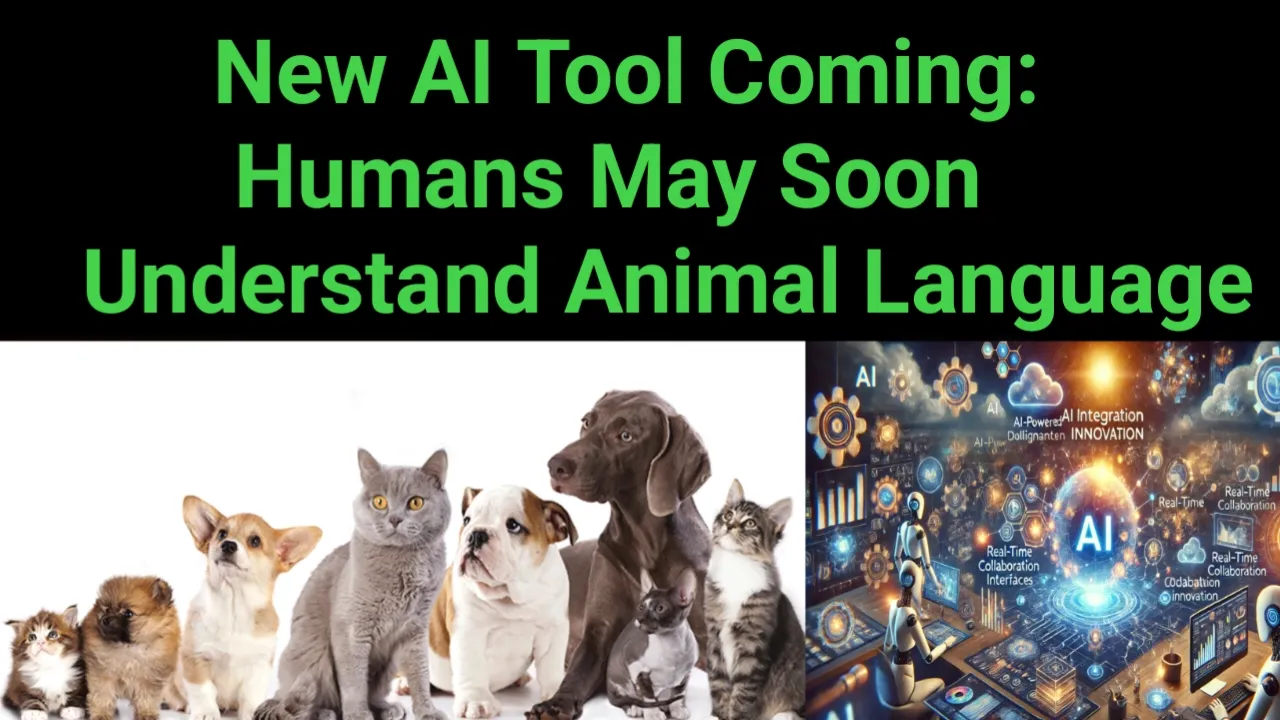
Recent developments in artificial intelligence are paving the way for potential conversations between humans and animals, a concept that was once the realm of science fiction. Scientists are leveraging artificial neural networks, similar to those used in ChatGPT, to analyse extensive datasets of animal vocalisations and behaviours, revealing communication patterns that previously eluded researchers.

Breakthroughs have emerged across a wide range of species, including dolphins, whales, great apes, birds, and even cuttlefish. AI systems are proving instrumental in discerning distinct vocal signals, call types, and complex patterns that may convey meaning among various animal communities. Such findings are beginning to unveil the nuances of animal communication.

For instance, in a study involving African striped mice, scientists examined over 122,000 vocalisations, successfully identifying several unique types of calls. Similar AI-driven studies are currently focused on dolphins, primates, and avian species, indicating a growing understanding of interspecies communication.

Decoding Sperm Whale Communication

One notable project aims to decode the communication of sperm whales, a complex task that researchers approach with machine learning techniques. By analysing millions of clicks, known as “codas,” researchers seek to uncover structures akin to words, dialects, and possibly even grammatical forms within whale communication.

Recent research suggests that the communication of sperm whales is significantly more intricate than previously assumed. This advancement marks a critical juncture in understanding how marine mammals interact and share information among themselves.

These findings not only broaden the scope of animal communication studies but also raise intriguing questions about the cognitive abilities of species that have long been considered enigmatic. The implications of recognising complexity in animal signalling could reshape our understanding of non-human intelligence.

Exploring Two-Way Communication Possibilities

Researchers are not only focused on deciphering animal communication but are also investigating the potential for two-way interaction between humans and animals. Initiatives like the Earth Species Project and Project CETI are using advanced AI models to search for hidden patterns in animal sounds, aiming to facilitate meaningful exchanges between species.

Project CETI is particularly vigilant in examining the ethical and legal implications that might arise should human understanding of animal communication improve. As researchers forge ahead, questions about the rights and welfare of animals could become focal points, ensuring that scientific advancements do not come at the expense of ethical considerations.

Despite the progress made, experts are clear that decoding animal communication does not equate to translating human language. The disparity in sensory perception and cognitive experience between species presents formidable challenges. While AI may help elucidate patterns and meanings, true interspecies dialogue remains a complex scientific endeavor.

Nonetheless, the advancements in this field signal a significant step towards bridging the communication gap between humans and animals. Scientists remain hopeful that, with ongoing research and technological improvements, humans may one day better understand the communicative behaviours of other species, paving the way for deeper connections. This journey continues to unfold, offering tantalising possibilities for future interactions.

Long or Short, get news the way you like. No ads. No redirections. Download Newspin and Stay Alert, The CSR Journal Mobile app, for fast, crisp, clean updates!

App Store –  https://apps.apple.com/in/app/newspin/id6746449540 

Google Play Store – https://play.google.com/store/apps/details?id=com.inventifweb.newspin&pcampaignid=web_share

Latest News

Popular Videos
