


Pakistan Warns Of Regional Instability Due To Indus Waters Treaty Breach
The CSR Journal Magazine

Pakistan has expressed concern that any actions aimed at denying it the water entitlements under the Indus Waters Treaty could lead to significant repercussions for regional stability. Deputy Prime Minister Ishaq Dar made this statement during a virtual seminar titled ‘The Indus Waters Treaty: South Asian Security at the Crossroads’. His comments were reported by various media outlets, highlighting the critical nature of this ongoing issue.

Dar emphasised that the matter transcends bilateral relations, touching upon broader themes such as “the sanctity of treaties” and the “confidence in international law”. He reiterated Pakistan’s commitment to addressing any disputes via dialogue, diplomacy, and the established mechanisms provided within the treaty.

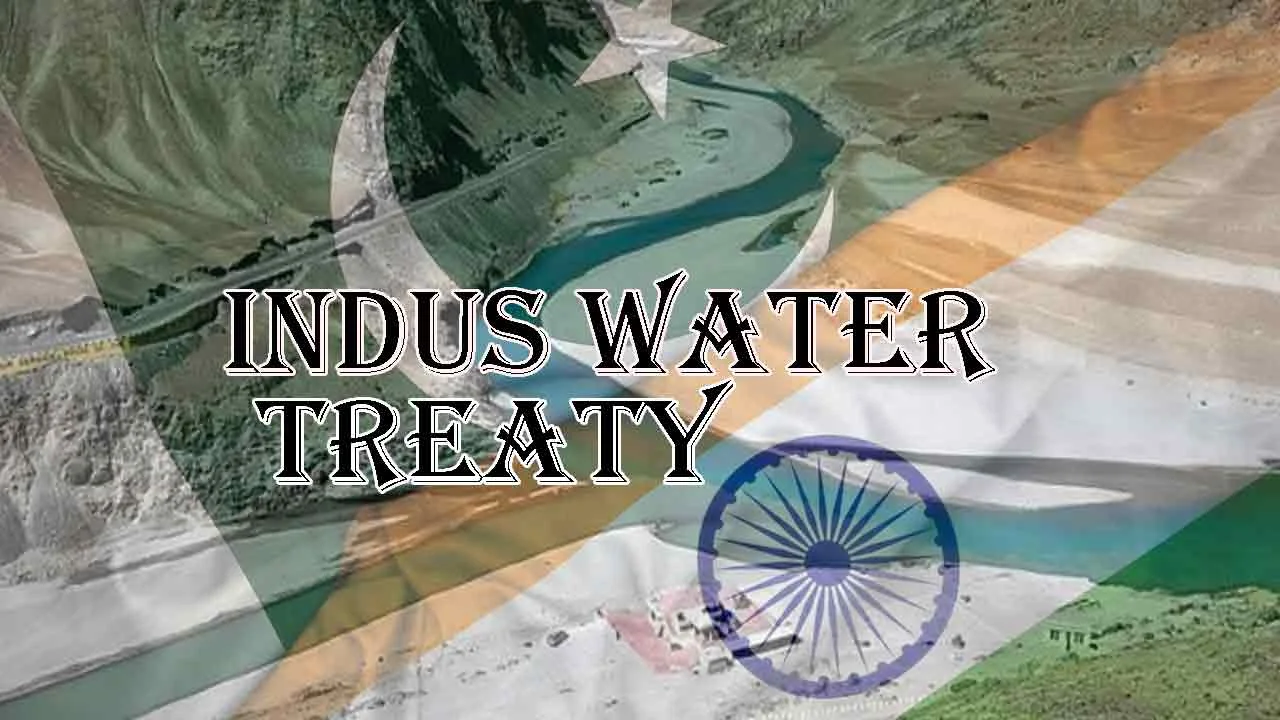
The Indus Waters Treaty, which was signed in 1960 with the facilitation of the World Bank, regulates the distribution of water from the six rivers of the Indus basin. According to the agreement, India was allocated the three eastern rivers, while Pakistan received the three western rivers.

Current Status Of The Treaty

Since the Pahalgam terror attack on April 22, 2025, India has reportedly placed the treaty in “abeyance” as part of a series of retaliatory measures against Pakistan. Deputy Prime Minister Dar noted that the treaty lacks any provisions allowing either party to unilaterally suspend its obligations.

Dar pointed out that international legal commitments cannot be nullified through unilateral political declarations. He further stressed that both countries have responsibilities which should be respected under the framework of international law, particularly in relation to water-sharing agreements.

For Pakistan, the issue is especially pressing as its agriculture, food security, energy generation, and overall economic development are heavily reliant on the Indus river system. Dar remarked that “the Indus Basin is the lifeline of more than 250 million Pakistanis”, underscoring the critical importance of this resource.

Impact Of Climate Change And Water Stress

In his address, Dar also linked water security to the broader context of climate change. Pakistan is regarded as one of the most water-stressed nations, grappling with fluctuating rainfall patterns, glacial shrinkage, and severe weather events such as floods and droughts. These changes exacerbate the already precarious situation regarding water access and management.

He warned that any move to restrict Pakistan to its due water allocations as outlined in the Indus Waters Treaty would have serious implications not just for the country, but for regional peace and security as well. The interconnectedness of water resources in the region calls for cooperative solutions to ensure shared prosperity.

The recent tensions following the Pahalgam attack seem to have further strained relations regarding the treaty, with both countries engaged in a complex interplay of diplomacy and national security concerns. Moving forward, the resolution of these issues will likely require sustained dialogue and engagement among stakeholders.

Long or Short, get news the way you like. No ads. No redirections. Download Newspin and Stay Alert, The CSR Journal Mobile app, for fast, crisp, clean updates!

App Store –  https://apps.apple.com/in/app/newspin/id6746449540 

Google Play Store – https://play.google.com/store/apps/details?id=com.inventifweb.newspin&pcampaignid=web_share

Latest News

Popular Videos
