


Indian Rescue Team Arrives in Nepal for Trishuli Hydropower Tunnel Operations
The CSR Journal Magazine

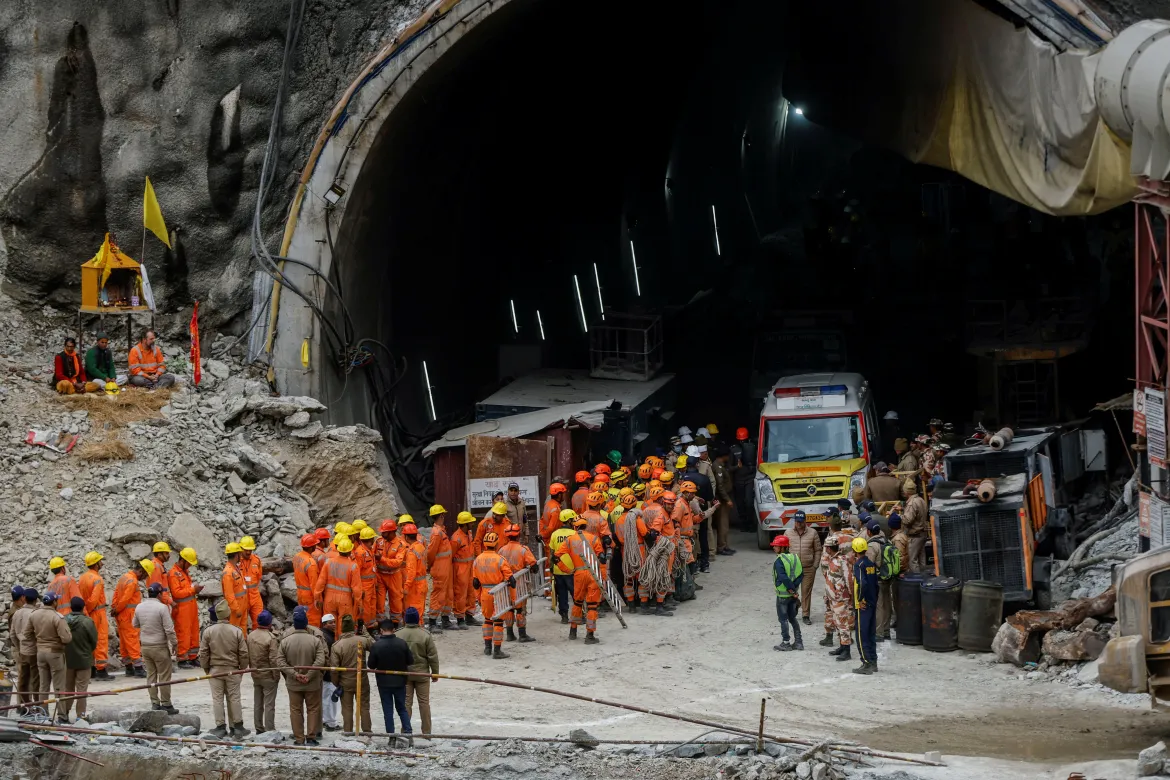
An 11-member team from India, comprising medical personnel and tunnel-rescue specialists, has arrived in Nepal to support rescue operations for workers trapped in hydropower project tunnels following devastating flash floods. The team was dispatched following a formal request from the Nepalese government for specialised technical assistance in the ongoing rescue efforts.

Reports indicate that the team undertook aerial reconnaissance of the affected areas, including Chilime and Langtang, before proceeding to the Trishuli area to evaluate the context and needs for the rescue operations. This assessment aimed to enhance the effectiveness of the multi-agency efforts now underway.

As the Indian team commenced its work, local authorities highlighted the challenging conditions hindering rescue efforts, including blocked access to tunnels and adverse weather. The cooperation between Indian and Nepalese teams reflects the urgent need for technical expertise in navigating these difficult circumstances.

Ongoing Rescue Operations and Challenges

A joint security team, composed of 82 personnel from the Nepal Army, Armed Police Force, and Nepal Police, has been actively engaged in rescue operations since the evening of August 26. Their primary focus has been on clearing debris to reach individuals believed to be trapped in the Trishuli-3A Hydropower Project tunnel, located in Rasuwa, near the border with Tibet.

The rescue efforts have encountered significant obstacles due to mud and debris blocking tunnel entrances, compounded by poor weather conditions. Although the Nepal Army reports that security forces have so far rescued 191 workers from various hydropower project tunnels, there are still a considerable number of individuals unaccounted for. Specifically, over 100 workers are believed to be trapped in another tunnel at the under-construction Upper Trishuli-1 Hydropower Project.

The situation remains precarious, with rescuers managing difficulties in clearing the rubble and conducting successful operations to reach those in need. The assessment of risks associated with the unstable environment continues to be a priority for the rescue teams.

Impact of Flash Floods and Broader Efforts

On August 23, flash floods struck the Bhotekoshi and Trishuli river corridors, leading to catastrophic outcomes, including the loss of hundreds of lives and extensive damage to infrastructure. Roads, bridges, and settlements have suffered significant destruction, leaving thousands of individuals missing and drastically hampering access and communication in affected regions.

In light of the unprecedented disaster, the Nepalese government has sought international expertise for critical tasks, such as DNA testing and forensic analysis, to assist in identifying victims. Furthermore, authorities have reached out to both India and China for assistance in constructing 42 Bailey bridges, aimed at restoring transport services in the flood-impacted areas.

These portable bridges will facilitate quick assembly and are designed to be erected without the need for heavy machinery or special tools, thereby expediting the restoration of essential communication links. With the dual goals of ongoing rescue operations and infrastructure recovery, the collaboration and support from neighbouring countries are vital in addressing the aftermath of the floods.

Long or Short, get news the way you like. No ads. No redirections. Download Newspin and Stay Alert, The CSR Journal Mobile app, for fast, crisp, clean updates!

App Store –  https://apps.apple.com/in/app/newspin/id6746449540 

Google Play Store – https://play.google.com/store/apps/details?id=com.inventifweb.newspin&pcampaignid=web_share

Latest News

Popular Videos
