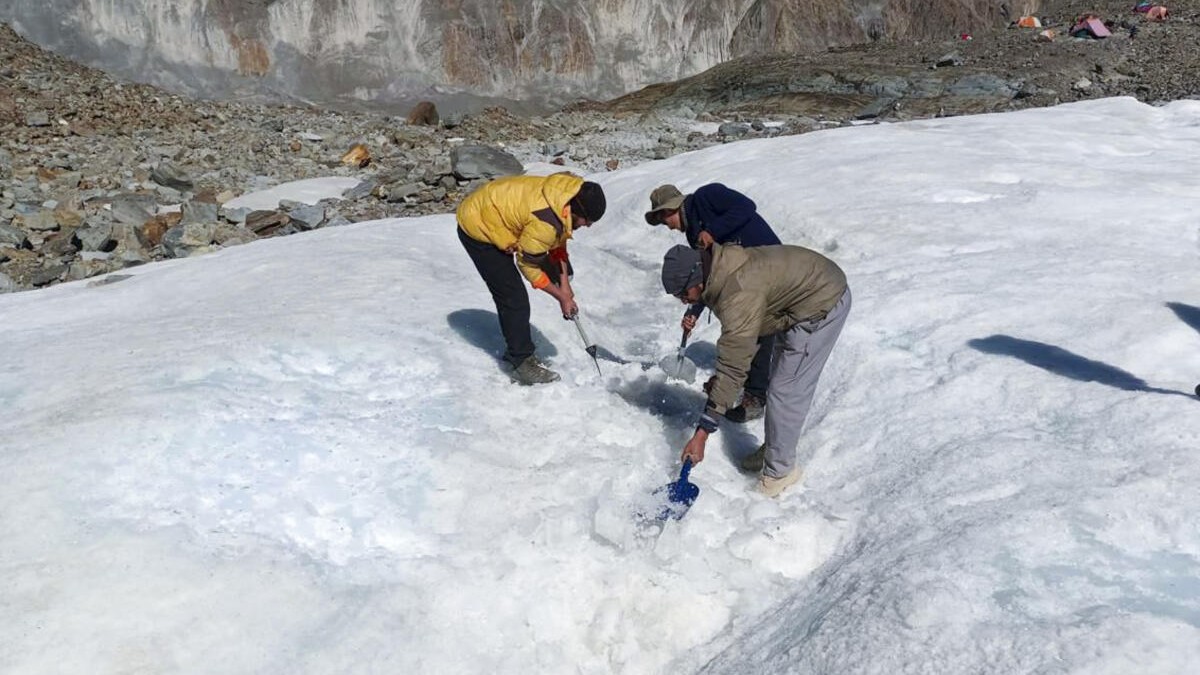
The establishment of India’s mountain rescue service has significantly changed the landscape of safety in high-altitude expeditions. This initiative is credited to a seasoned mountaineer whose determination has led to remarkable developments in this critical field. By combining his extensive knowledge of mountaineering with systematic training programmes, he has ensured that rescue operations are more efficient and effective, marking a new era for adventurers in the Indian mountains.
With a life dedicated to exploring the mountains, the mountaineer recognised the urgent need for a dedicated rescue service following a series of unfortunate incidents. The absence of a formal system for rescuing stranded climbers prompted him to take action. He began by educating himself on rescue techniques and subsequently established a network of skilled professionals ready to respond to emergencies.
This visionary has put together a solid foundation for the mountain rescue service, focusing on rigorous training and strategic planning to enhance the safety protocols for mountaineers. His commitment to this cause stems not only from personal experiences but also a deep-seated responsibility to protect others pursuing their passion for the mountains.
Implementing Comprehensive Training Programs
The backbone of the rescue service lies in its training programs that have been meticulously developed over time. These programmes are designed to instil essential skills in participants, ranging from basic first aid to advanced rescue techniques. The goal is to prepare individuals for real-world scenarios that may arise during challenging expeditions.
The training rituals include simulated rescue operations where participants grapple with various climbing scenarios under controlled conditions, enabling them to hone their skills. Sessions are often led by experienced mountaineers who possess expert knowledge in altitude-related challenges. These trainers share invaluable insights, significantly enhancing the learning process for trainees.
Moreover, the service has adopted a collaborative approach by involving local communities in training efforts. This strategy fosters a strong sense of camaraderie and improves response times during actual emergencies. Building a network of local heroes ready to assist in crisis situations has proved instrumental in promoting safety among trekkers and climbers.
Achievements and Future Aspirations
One of the most impressive milestones of the rescue service is the reported zero fatalities in the last three years, a testament to its effectiveness. This achievement reflects the thorough preparation and dedication of the personnel involved in the operations. The service has actively engaged in multiple rescues, successfully bringing individuals back to safety while maintaining a flawless safety record.
As the service looks towards the future, there are plans to expand its operations further into remote regions of the country where climbers and trekkers may be at risk. By collaborating with government agencies and non-profit organisations, the mountaineer aims to establish a comprehensive support system that extends beyond immediate rescue operations.
In addition to further training programmes, the service aspires to raise awareness about the importance of safety in mountain climbing through community outreach initiatives. This proactive approach aims to educate adventurers on the potential hazards while in the mountains, thereby fostering a culture of mindfulness and preparedness among those drawn to India’s vast mountainous terrain.
Long or Short, get news the way you like. No ads. No redirections. Download Newspin and Stay Alert, The CSR Journal Mobile app, for fast, crisp, clean updates!
In a significant move for wildlife conservation, the West Bengal state forest department has launched a comprehensive census of the endangered red panda (Ailurus...