


World Malaria Day 2026 Highlights Malaria-Free Countries Recognised by WHO
The CSR Journal Magazine

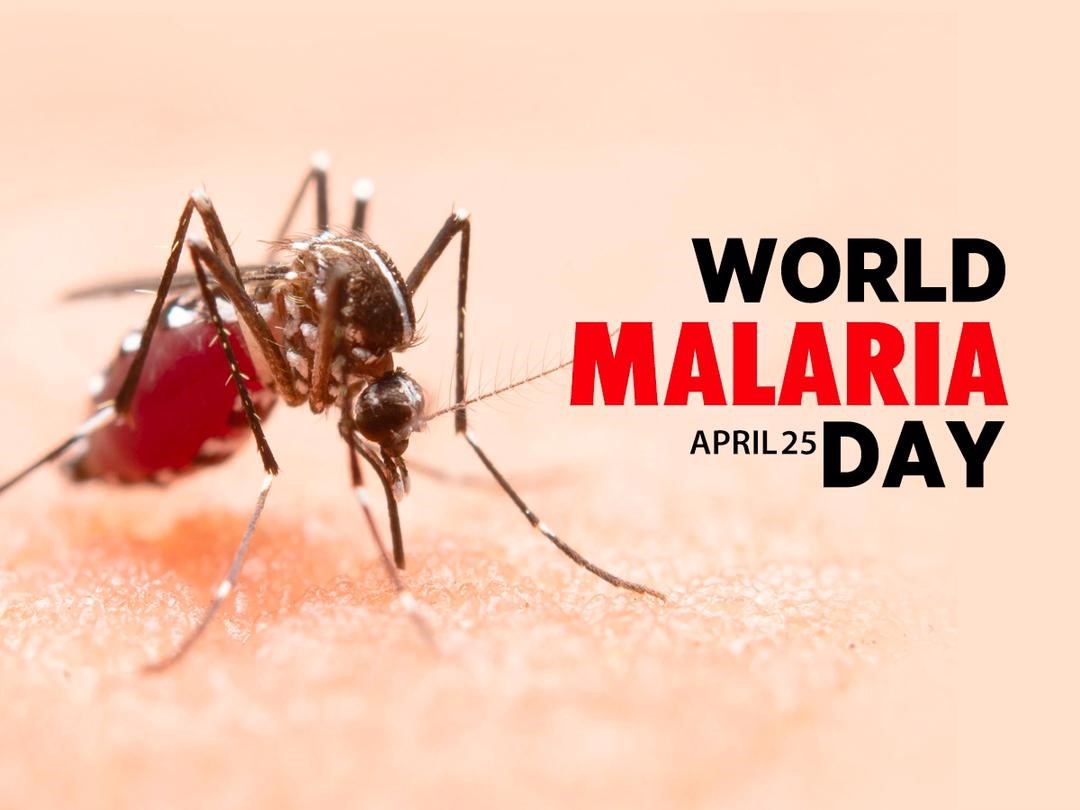
World Malaria Day 2026 has drawn attention to the persistent challenges posed by malaria, an infectious disease that continues to affect millions globally. Transmitted primarily through the bites of infected mosquitoes, malaria remains a significant health issue, especially in tropical and developing nations. Despite ongoing global efforts over several decades, the disease remains a major public health concern in many areas.

While the challenges persist, it is important to note the achievements in combating this disease. Some nations have effectively eliminated malaria within their territories, reporting no local transmission for extended periods. These countries exemplify the potential of dedicated planning, investment, and comprehensive public health initiatives.

As observed annually on April 25, World Malaria Day emphasises the importance of both the ongoing battle against malaria and the triumphs that have been realised. The World Health Organisation (WHO) plays a critical role in certifying countries as malaria-free, a status that is becoming increasingly common.

Criteria and Significance of Being Malaria-Free

The designation of malaria-free is not simply a ceremonial title. According to the WHO, a country must go three consecutive years without any indigenous malaria cases to achieve this status. Additionally, it must maintain a robust surveillance and response framework to prevent any re-emergence of the disease.

This ongoing commitment involves continuous monitoring, prompt detection of imported cases, and effective rapid response strategies. Therefore, the elimination of malaria requires sustained vigilance and dedication, not just a one-time effort.

Numerous countries have achieved the status of malaria-free over the years. Some of these nations succeeded in eliminating the disease decades ago, while others have more recently done so through targeted interventions. This highlights the importance of tailored approaches in the fight against malaria.

Countries Recognised as Malaria-Free by WHO

Timor-Leste is among the countries that have faced substantial obstacles in combating malaria due to limited resources and challenging geographical conditions. However, a strong focus on community health, effective mosquito control programmes, and regular surveillance enabled the nation to achieve malaria elimination.

Egypt, with a long historical association with the disease, has also been declared malaria-free. This status was achieved through sustained investment in public health, efficient water management, and rigorous mosquito control measures, serving as a model for similar efforts elsewhere.

Georgia successfully eliminated malaria by implementing targeted strategies in areas at high risk. The establishment of strong surveillance systems has facilitated early detection and preventive measures against potential outbreaks. Even post-elimination, the nation maintains rigorous monitoring systems to ensure the disease does not return.

Suriname has confronted malaria challenges stemming from its dense forests and remote populations. By employing mobile healthcare units, enhancing diagnostics, and fostering cross-border collaboration, the country successfully interrupted malaria transmission, underscoring the significance of accessible healthcare.

Cabo Verde, benefiting from its island geography, also executed strict vector control and prompt response programmes. Public awareness initiatives and vigilant monitoring of imported cases were crucial in attaining malaria-free status.

Lessons from Malaria Elimination Successes

The diverse paths taken by these countries toward malaria elimination illustrate that each experience is unique, whether relying on infrastructure, community engagement, or geographical advantages. Nonetheless, all successes are characterised by sustained efforts over time.

These achievements prove that malaria elimination is not an unattainable goal. It demands political commitment, adequate funding, robust healthcare frameworks, and active community involvement. However, despite these successes, malaria continues to affect millions globally, particularly across sub-Saharan Africa.

World Malaria Day 2026 serves as a reminder of the real progress made against malaria. Each nation that has achieved malaria-free status contributes to the collective goal of eradicating this disease, revealing pathways for other nations still grappling with the challenge.

Long or Short, get news the way you like. No ads. No redirections. Download Newspin and Stay Alert, The CSR Journal Mobile app, for fast, crisp, clean updates!

App Store –  https://apps.apple.com/in/app/newspin/id6746449540 

Google Play Store – https://play.google.com/store/apps/details?id=com.inventifweb.newspin&pcampaignid=web_share

Latest News

Popular Videos
