


West Bengal Assembly Elections 2026: Date, Vote Timings and Major Constituencies
The CSR Journal Magazine

The West Bengal Assembly Elections of 2026 have been completed following a two-phase polling process that was meticulously managed. The results are poised to influence the political dynamics of the state significantly. The elections encompassed all 294 constituencies, with a requirement of 148 seats to secure a governing majority.

Polling occurred on April 23 and April 29, 2026, in regions with diverse geographical and political backgrounds. Notably included were the sensitive areas of Junglemahal, the northern districts, and the urban landscapes of Kolkata. The staggered voting schedule facilitated extensive security measures and garnered strong voter participation, reflecting a high turnout in both phases.

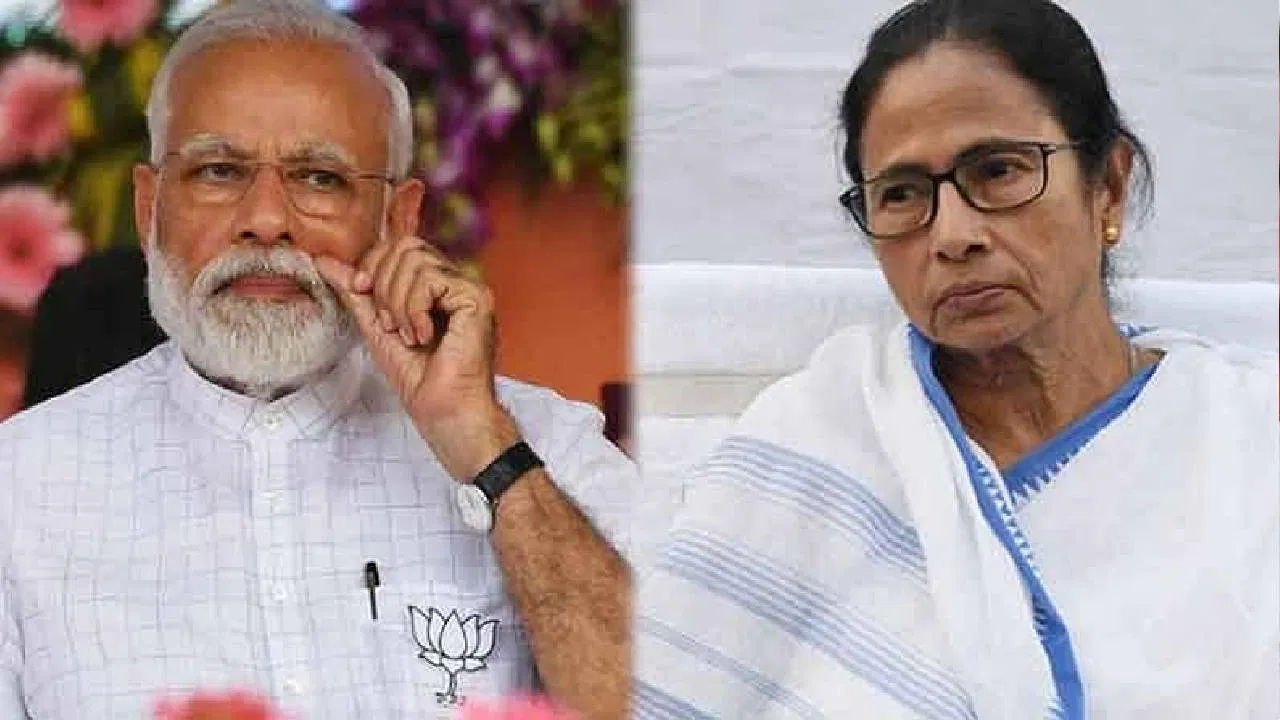
The contest has emerged prominently as a direct confrontation between the ruling Trinamool Congress (TMC) led by Chief Minister Mamata Banerjee and the Bharatiya Janata Party (BJP), which seeks to strengthen its foothold within the state. Additionally, the Indian National Congress (INC) and the Communist Party of India (Marxist) [CPI(M)] are also significant players, contributing to a multi-faceted electoral contest across various constituencies.

Counting and Results Procedure

The counting of votes will commence at 8:00 AM on May 4, 2026, leading to a critical shift in focus towards the announcement of results. Throughout the day, early trends will be analysed, with leads being established constituency-wise. The final outcomes will be revealed by the evening, adhering to established counting protocols.

The election authority responsible for overseeing this process is the Election Commission of India, ensuring that the counting and result declaration follow stringent regulatory standards.

Key constituencies to watch include Bhabanipur, Nandigram, Singur, Asansol South, and Kharagpur Sadar—areas that hold particular significance due to historical and political contexts. The results from these constituencies may offer insights into the evolving political landscape of West Bengal.

Major Parties and Their Positions

The primary political parties contesting in the elections are led by notable figures. The Trinamool Congress is spearheaded by Mamata Banerjee, who wields considerable influence in the state. The BJP is challenging this dominance under the leadership of Sukanta Majumdar and aims to increase its representation.

The INC, under the leadership of Mallikarjun Kharge, is also a key participant in this multi-party arena, forming alliances to bolster its chances. Meanwhile, the CPI(M), led by Sitaram Yechury, represents the left front in this diverse electoral battleground.

As the counting date approaches, the strategies and alliances will be closely scrutinised. The efficiency and transparency of the counting process will also be a focus, ensuring that the electoral integrity is maintained throughout.

The anticipated results will not only decide the next government but also significantly impact future political strategies and alignments within the state. Voter engagement, perceived as high, may indicate a strong public interest in the political outcomes resulting from this electoral exercise.

Long or Short, get news the way you like. No ads. No redirections. Download Newspin and Stay Alert, The CSR Journal Mobile app, for fast, crisp, clean updates!

App Store –  https://apps.apple.com/in/app/newspin/id6746449540 

Google Play Store – https://play.google.com/store/apps/details?id=com.inventifweb.newspin&pcampaignid=web_share

Latest News

Popular Videos
