


US Navy Disables Two More Iranian Oil Tankers In Gulf Of Oman Amid Rising Tensions
The CSR Journal Magazine

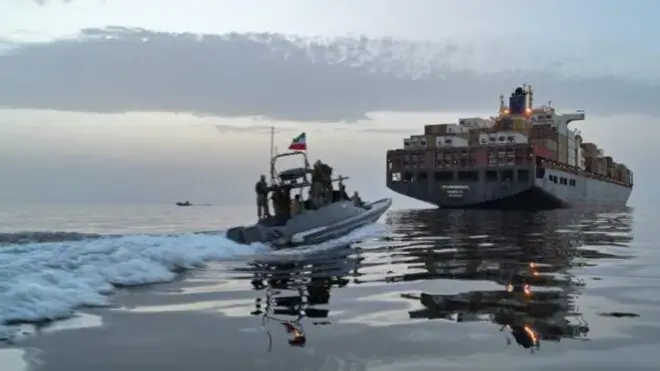
The United States Central Command (CENTCOM) has reported that US naval forces successfully disabled two more Iranian-flagged oil tankers in the Gulf of Oman as part of ongoing blockade measures against Iran. This operation occurred on May 8, 2026, following similar actions taken earlier in the month. CENTCOM confirmed that both vessels, M/T Sea Star III and M/T Sevda, were rendered inoperable before they could dock at an Iranian port.

In a statement, CENTCOM outlined how a US Navy F/A-18 Super Hornet, launched from the aircraft carrier USS George HW Bush (CVN 77), targeted the smokestacks of the tankers with precision munitions. This intervention was aimed at preventing these unladen vessels from reaching Iranian territory and complying with US blockade initiatives.

This action follows a prior incident on May 6, 2026, where another Iranian-flagged tanker, M/T Hasna, was disabled during an attempt to enter an Iranian port. An F/A-18 Super Hornet from USS Abraham Lincoln (CVN 72) successfully targeted the vessel’s rudder, effectively immobilising it.

Involvement of US Naval Forces

CENTCOM commander Admiral Brad Cooper asserted the commitment of US forces to enforce blockade measures against vessels attempting to enter or leave Iran. He noted that the actions undertaken by US personnel demonstrate a high level of professionalism and dedication to mission objectives in the region.

According to CENTCOM, as of May 8, a total of four ships have been disabled under their blockade efforts, while 57 commercial vessels have been redirected to ensure compliance with US regulations. This wide-ranging operation highlights the ongoing challenges and tensions surrounding maritime activities in the Gulf region.

Photographs shared by CENTCOM on social media platform X depicted USS Truxtun (DDG 103), USS Rafael Peralta (DDG 115), and USS Mason (DDG 87) engaged in operations in the Arabian Sea, further illustrating US naval presence in the area. These destroyers are strategically positioned to support blockade efforts against Iran.

Impact on Commercial Shipping

CENTCOM has indicated that over 70 tankers are currently being prevented from entering or leaving Iranian ports as part of the broader blockade strategy. These vessels are reportedly capable of transporting more than 166 million barrels of Iranian oil, with an estimated value exceeding $13 billion. This aspect of the operations underscores the significant economic implications of the blockade.

In light of these developments, CENTCOM’s actions serve to enforce compliance with international maritime regulations while responding to perceived threats from vessels linked to Iran. As the situation evolves, the US military continues to maintain a robust presence in the region, aimed at safeguarding maritime security and addressing potential risks.

The ongoing enforcement of blockade measures presents a complex dynamic in regional security, impacting not only Iran but also global oil markets and shipping routes. CENTCOM’s strategic operations highlight the interconnections between military actions, international trade, and geopolitical tensions.

Long or Short, get news the way you like. No ads. No redirections. Download Newspin and Stay Alert, The CSR Journal Mobile app, for fast, crisp, clean updates!

App Store –  https://apps.apple.com/in/app/newspin/id6746449540 

Google Play Store – https://play.google.com/store/apps/details?id=com.inventifweb.newspin&pcampaignid=web_share

Latest News

Popular Videos
