


US-Iran Negotiators Work on Potential Agreement
The CSR Journal Magazine

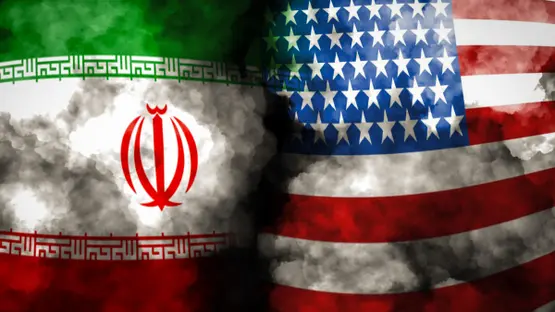
Negotiators are reportedly developing a document that could significantly impact the ongoing conflict between the United States and Iran, a situation that has been a source of concern for energy markets and regional stability. This proposed memorandum of understanding (MoU) encompasses various critical topics, including sanctions relief, access to frozen assets, the reopening of the Strait of Hormuz, and a framework for future discussions regarding nuclear issues. Both parties view these concessions as vital in preventing escalation towards military conflict.

Although the memorandum has yet to receive formal approval, Iranian officials have indicated that a final decision is still under consideration. Meanwhile, US President Donald Trump has suggested that a signing ceremony may occur within the week in Europe, heightening speculation regarding the evolving situation.

Reopening of the Strait and Economic Relief

A key component of the draft agreement is the immediate reopening of the Strait of Hormuz, which would reportedly operate without tolls. Following this reopening, shipping traffic is expected to return to pre-conflict volumes within thirty days, accompanied by the lifting of the US naval blockade. This strait is fundamentally important, as it bears nearly twenty-five per cent of the world’s oil trade and approximately one-fifth of global liquefied natural gas shipments.

Moreover, the agreement may provide Iran with much-needed economic relief, as it includes a suspension of sanctions related to Iranian oil and petrochemical exports. The deal could also allow access to financial resources and the release of about $24 billion in Iranian assets that have been frozen. Reports from Mehr News Agency indicate that a portion of these funds may be accessible even before broader discussions commence regarding a permanent resolution.

However, concerns persist regarding the specifics of when and how Iran will access its frozen assets. Tehran is reportedly seeking immediate access to some funds, while Washington prefers to tie any financial concessions to Iran’s compliance with the agreement. A diplomat involved in the negotiations clarified that sanctions relief will be contingent on the deal’s full implementation.

Nuclear Issues and Extended Ceasefire Conditions

Beyond economic considerations, the proposed memorandum aims to foster dialogue surrounding Iran’s nuclear programme. Under the framework being discussed, the current ceasefire could be extended for an additional sixty days, including in Lebanon. This pause would create an opportunity for negotiators to address the more intricate aspects of Iran’s nuclear activities.

Iran is expected to commit to never pursuing nuclear weapons and to begin addressing international concerns related to its enriched uranium stockpile. One reported proposal includes allowing Iran to down-blend highly enriched uranium under the oversight of United Nations inspectors within the country. It has been communicated that the MoU includes detailed provisions addressing various nuclear issues, reportedly satisfying US requirements.

Nevertheless, Iran’s Foreign Ministry spokesperson has emphasised that negotiations are still ongoing. While they confirmed substantial progress has been achieved, they highlighted that Tehran has not yet finalised the agreement. The spokesperson also mentioned that discussions became complicated due to new demands from the US side, which may have altered previous commitments.

Pending Final Approvals and Ongoing Negotiations

While public attention has been drawn to Trump’s remarks and the potential signing ceremony, behind-the-scenes diplomatic efforts continue to address remaining uncertainties. This tentative breakthrough emerged after extensive negotiations led by Qatari mediator Ali Al-Thawadi and Iranian Foreign Minister Abbas Araghchi, which included conversations with Trump’s representatives.

Reports from Bloomberg suggest that the signing ceremony could take place in Switzerland, possibly as soon as this Sunday. However, Iranian officials have expressed caution, labelling the information about timing and location as speculative, reiterating that no definitive decision has yet been made.

Ultimately, the final decision rests with Tehran’s leadership, and the situation remains fluid. Despite the ongoing discussions, uncertainty continues as diplomats work diligently to bridge the remaining gaps in the negotiations.

Long or Short, get news the way you like. No ads. No redirections. Download Newspin and Stay Alert, The CSR Journal Mobile app, for fast, crisp, clean updates!

App Store –  https://apps.apple.com/in/app/newspin/id6746449540 

Google Play Store – https://play.google.com/store/apps/details?id=com.inventifweb.newspin&pcampaignid=web_share

Latest News

Popular Videos
