


US Closes Loophole on Nvidia AI Chip Exports to Chinese Subsidiaries Abroad
The CSR Journal Magazine

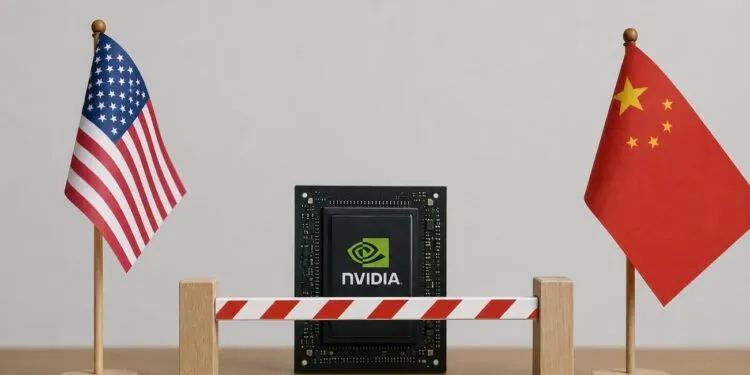
The US Department of Commerce has implemented measures to address potential loopholes regarding the export of advanced chips, including Nvidia’s Blackwell processors, to Chinese firms based outside China. This action aims to ensure that significant American technology does not inadvertently contribute to the advancement of AI capabilities within China. The unexpected guidelines, issued on Sunday, were reportedly influenced by a paper that suggested widespread sales of these chips to foreign subsidiaries of Chinese companies.

Sources familiar with the issue indicate that the guidance posted on the Commerce Department’s website signals an intensified effort to control semiconductor exports, especially to entities associated with China. The report indicates that, as of the end of the Trump administration, substantial quantities of chips may have found their way into the hands of Chinese companies operating abroad.

The Bureau of Industry and Security (BIS) at the Commerce Department determined that new licensing requirements will be enforced when advanced chips are exported to entities based in China, regardless of their operating location. This move has raised concerns about the extent of previous chip exports that have been made without compliance with export controls.

Reactions and Implications of the New Guidance

An industry source familiar with the semiconductor supply chain has estimated that hundreds of thousands of chips might have already been exported since the loophole emerged. This substantial figure indicates a significant risk to national security, given the critical role that these advanced chips play in AI development.

Officials from Nvidia indicated that the new guidance does not alter its current operational conditions, confirming that they are unable to ship the chips due to the newly imposed licensing requirements. Meanwhile, AMD, another major player in the production of AI chips, has yet to provide a comment regarding the new regulations.

The opening in regulations was reportedly created when the Commerce Department announced in May 2025 its decision not to enforce existing AI Diffusion rules established during the final days of the Biden administration. These rules originally included licensing prerequisites for the global distribution of AI chips, which paved the way for entities with connections to China to obtain these technologies without rigorous oversight.

Persistent Challenges and Additional Concerns

McGuire emphasised that while the new guidance is a step toward tightening controls, it does not comprehensively resolve the potential for chips to reach Chinese entities through other avenues. The Qualcomm spokesman declined to comment on the matter, highlighting the ongoing scrutiny within the semiconductor community.

Furthermore, the recent guidance does not mandate any changes for existing data centres using these chips or their associated services, raising questions about the efficacy of the measures in truly restricting access to high-end computing technologies by Chinese corporations. As these developments unfold, industry stakeholders continue to monitor the implications of US regulations on global semiconductor supply chains.

Long or Short, get news the way you like. No ads. No redirections. Download Newspin and Stay Alert, The CSR Journal Mobile app, for fast, crisp, clean updates!

App Store –  https://apps.apple.com/in/app/newspin/id6746449540 

Google Play Store – https://play.google.com/store/apps/details?id=com.inventifweb.newspin&pcampaignid=web_share

Latest News

Popular Videos
